
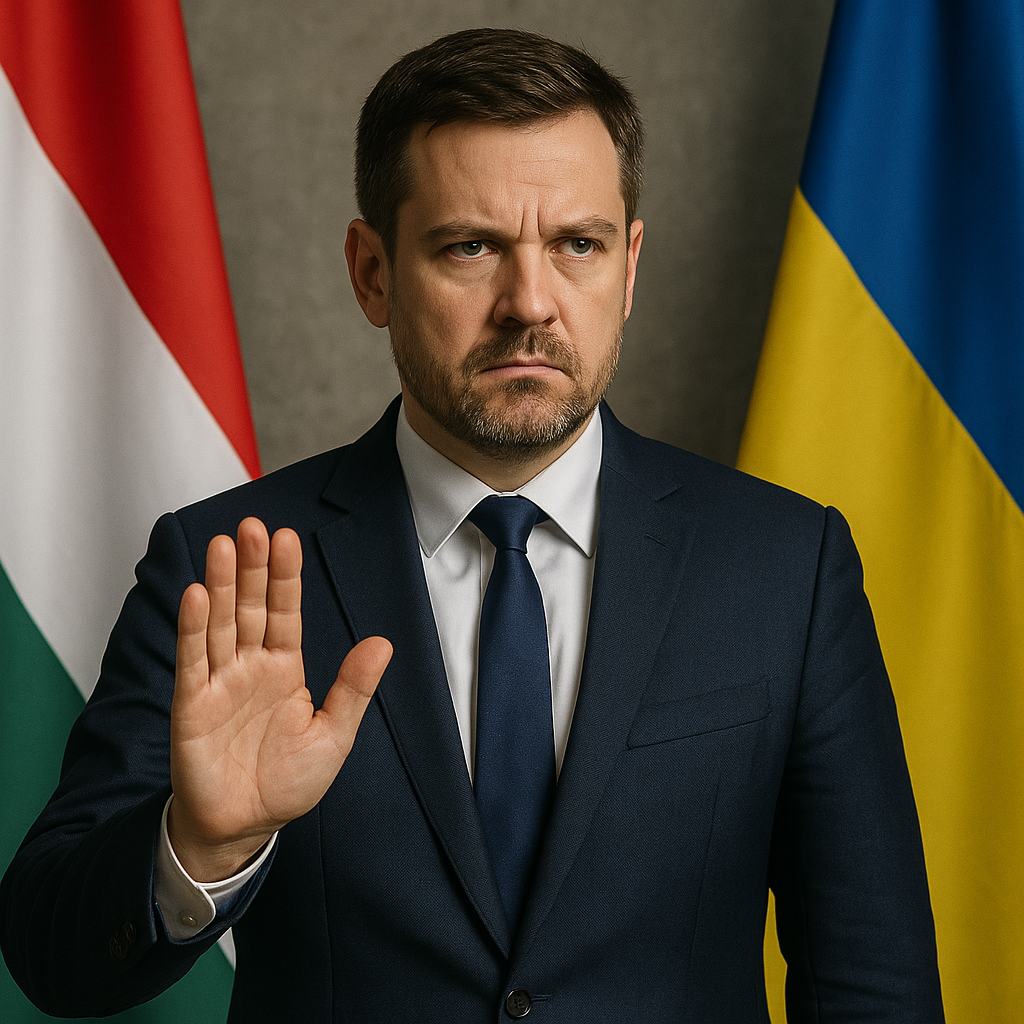
Orban’s Successor Rejects Weapons Aid to Ukraine
Orban’s Successor Rejects Weapons Aid to Ukraine
In a significant political move, Hungary’s newly appointed Prime Minister, Viktor Orbán’s successor, has firmly rejected the proposal to supply weapons to Ukraine amidst the ongoing conflict with Russia. This decision is emblematic of Hungary’s complicated relationship with both NATO allies and its historical ties to Russia, illustrating the nuanced dynamics at play in Eastern European politics.

Hungary’s Position: A Balancing Act
Hungary has maintained a delicate stance throughout the Ukraine conflict, largely influenced by its geographic, cultural, and economic proximity to Russia. This latest declaration from Prime Minister Katalin Novák aligns with previous sentiments expressed by Orbán, who has frequently emphasized a cautious approach to military involvement in the crisis.

Novák articulated her position by stating that while Hungary supports Ukraine’s sovereignty, providing weapons is not an option due to its national interests and the desire to avoid escalation. This decision resonates with a portion of the Hungarian populace who remain skeptical about getting involved in a conflict that they perceive as not directly threatening Hungary.

Moreover, a recent survey indicated that a significant majority of Hungarians oppose sending arms to Ukraine. This public sentiment may be influencing the government’s cautious strategy, fueling a narrative that prioritizes Hungarian citizens’ safety and economic stability over military engagements.
Diverse Viewpoints on Military Aid
While Hungary’s rejection of arms supply reflects a specific national perspective, it contrasts sharply with the increasing pressure from other NATO allies to bolster military support for Ukraine. Critics argue that inaction or a minimalist approach may embolden Russian aggression, complicating not only the situation in Ukraine but also broader regional security dynamics.
Countries such as Poland and the Baltic states have been vocal proponents of military aid to Ukraine, emphasizing that a robust defense against Russian advances is essential for Eastern European security. These nations have responded to threats by significantly increasing their military capabilities and have advocated for collective action among NATO members.
On the other hand, Novák’s administration highlights the need for diplomatic solutions rather than military confrontation. This view, while isolated among some NATO members, finds resonance with nations continuing to engage in energy partnerships and economic exchanges with Russia. Hungarian leaders have voiced a collective call among Central European nations for a focus on dialogue over weapons, thus promoting a different model of engagement in the conflict.
The Implications of Hungary’s Decision
The implications of Hungary’s stance extend not only across the Hungarian political landscape but also throughout the broader European security architecture. As the conflict persists, countries in similar positions may find themselves reassessing their strategic alignments based on Hungary’s rejection of arms aid. The decision may embolden other nations to adopt a more cautious stance, questioning the sustainability of relentless military support for Ukraine.
Furthermore, Hungary’s refusal to engage in arms shipment has already affected diplomatic relations within Europe. It raises critical questions about Hungary’s commitment to collective security agreements and its alignment with EU foreign policy, which heavily favors support for Ukraine. The tension between Hungary and its NATO partners could widen, urging further scrutiny of internal divisions within the alliance regarding how best to handle the crises stemming from Russia’s actions.
Conclusion
Hungary’s rejection of weapons aid to Ukraine encapsulates the complexity and divergence of viewpoints within NATO regarding the ongoing conflict. The newly appointed leadership continues to navigate a path influenced by domestic public opinion while balancing relationships with both Western allies and Russia. As the geopolitical landscape shifts, Hungary’s strategic decisions may not only redefine its role within NATO but also shape the future of Eastern European diplomacy in the face of ongoing crises.
In a world increasingly fraught with conflicts, Hungary’s approach serves as a reminder of the multifaceted nature of international relations and the varying motivations that shape national policies during times of war.















