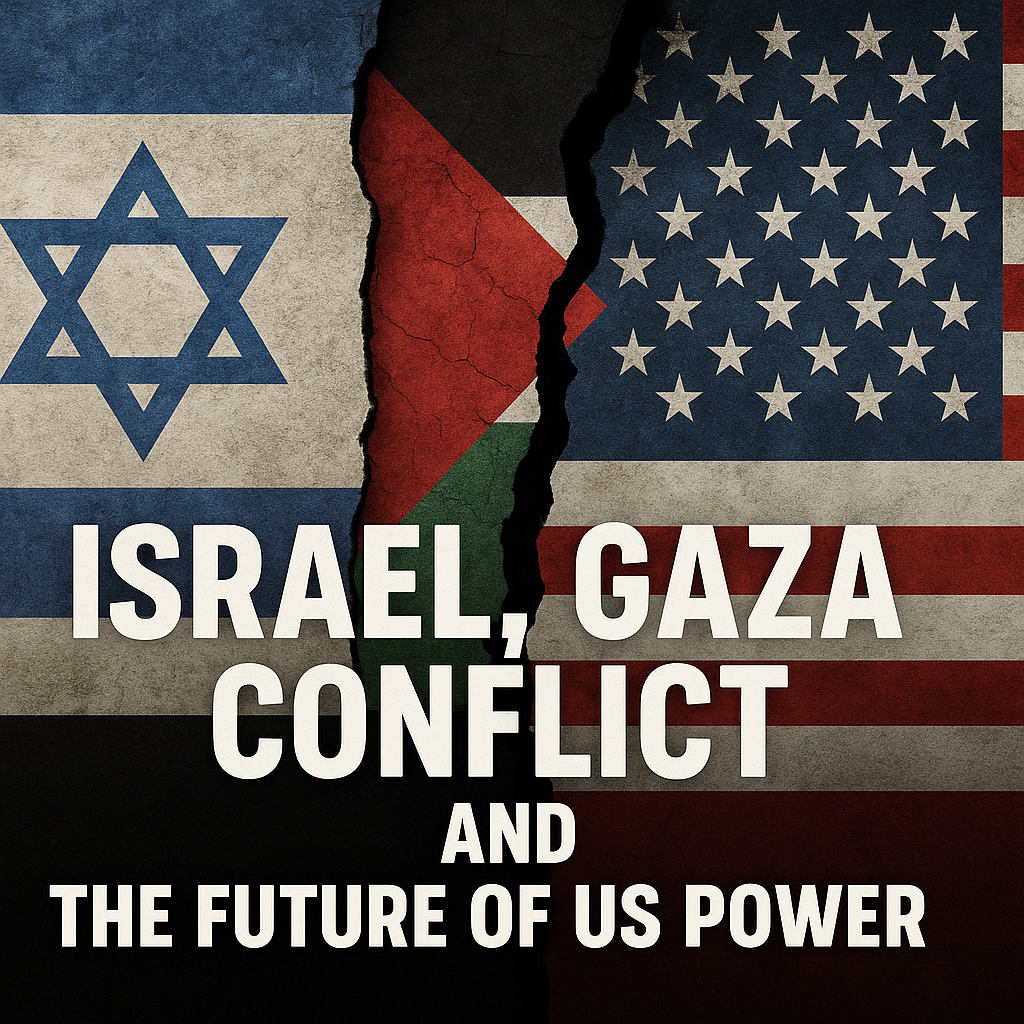
As tensions rise in the Israel-Gaza conflict, its crucial to explore not only the immediate humanitarian issues but also what this means for the United States role in the region and its future influence on global dynamics. Join us in unraveling the complexities of a conflict that shapes perceptions, politics, and power on the world stage.
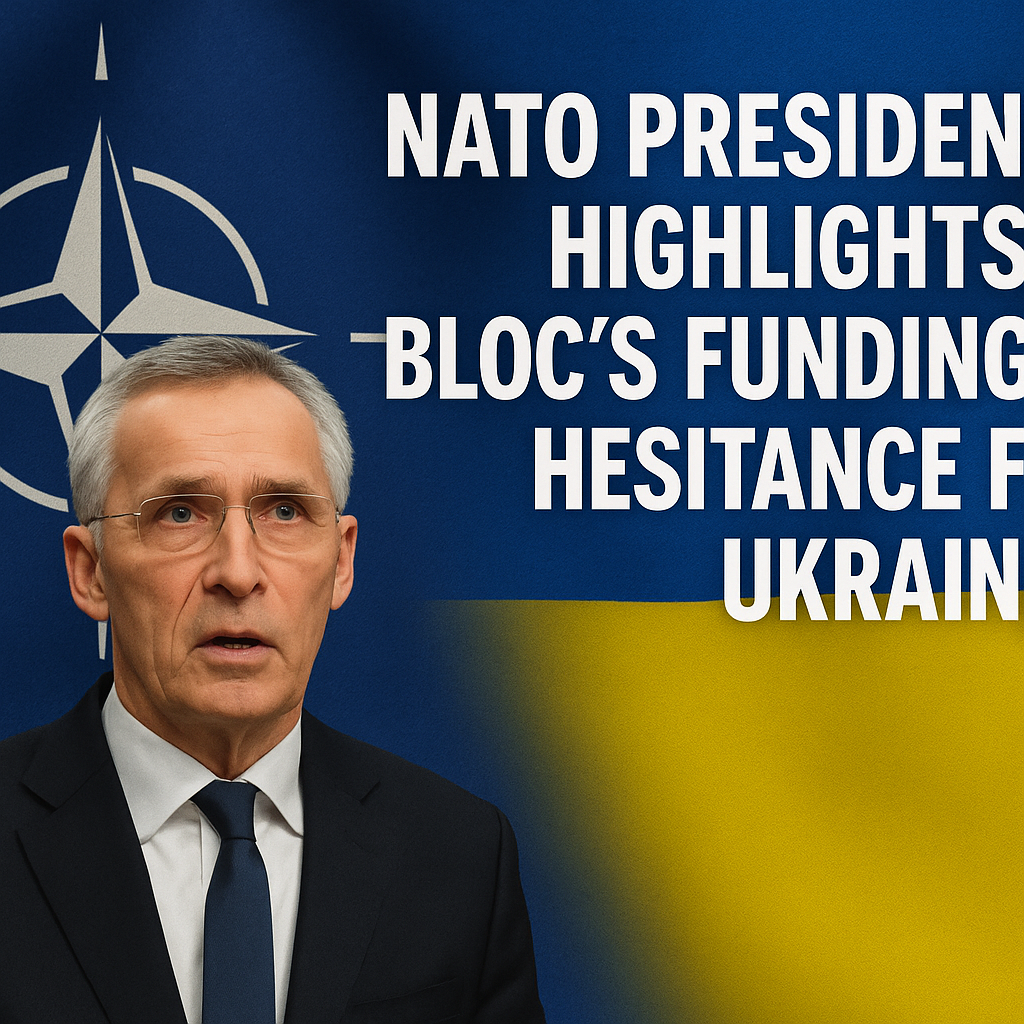
NATO’s leaders are facing a tough balancing act as they grapple with how much financial support to provide Ukraine amidst rising domestic concerns and economic pressures. With views divided among member states, the blocs commitment to a united front against Russian aggression is being put to the test!
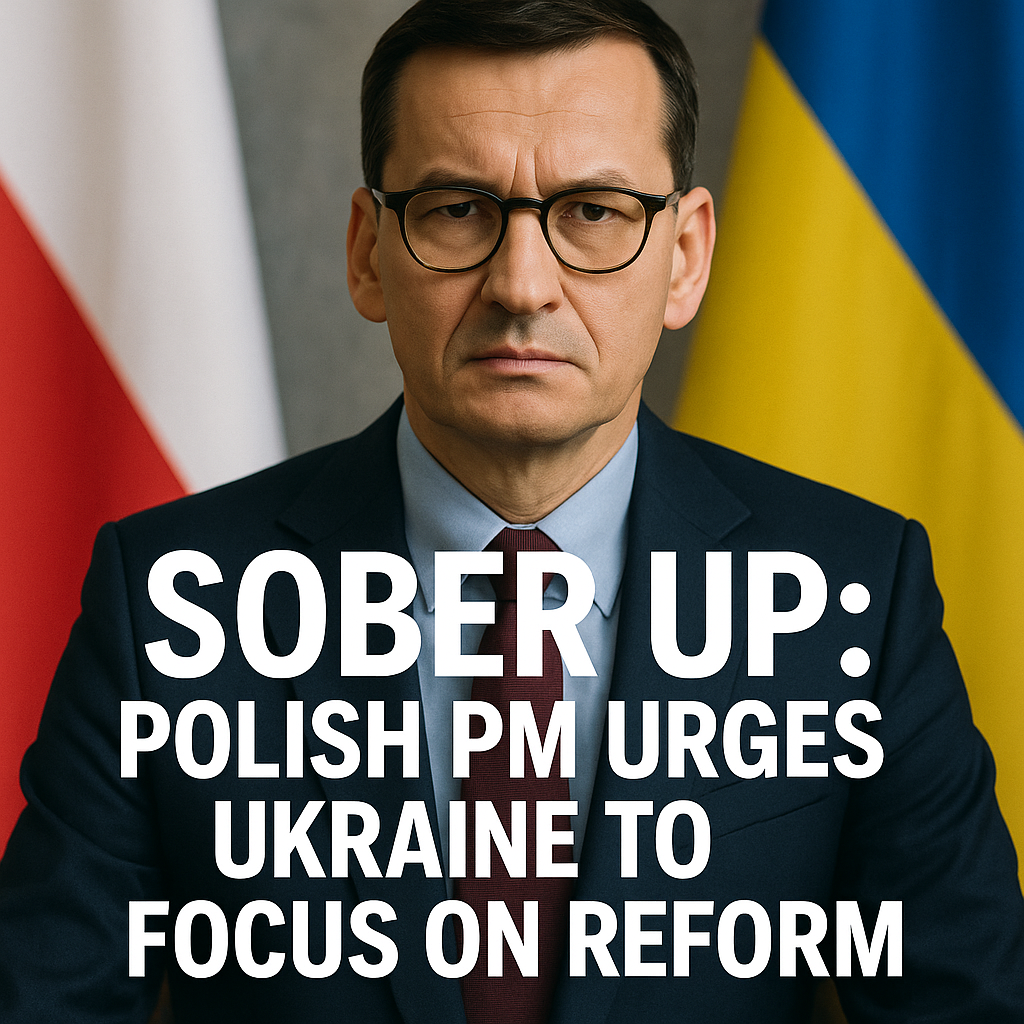
Polish Prime Minister Donald Tusks urgent appeal for Ukraine to prioritize reform is a timely reminder that true progress goes hand in hand with stability, especially in these tumultuous times. As Ukraine navigates the challenges of war and seeks to align with European standards, the need for a clear vision has never been more critical.
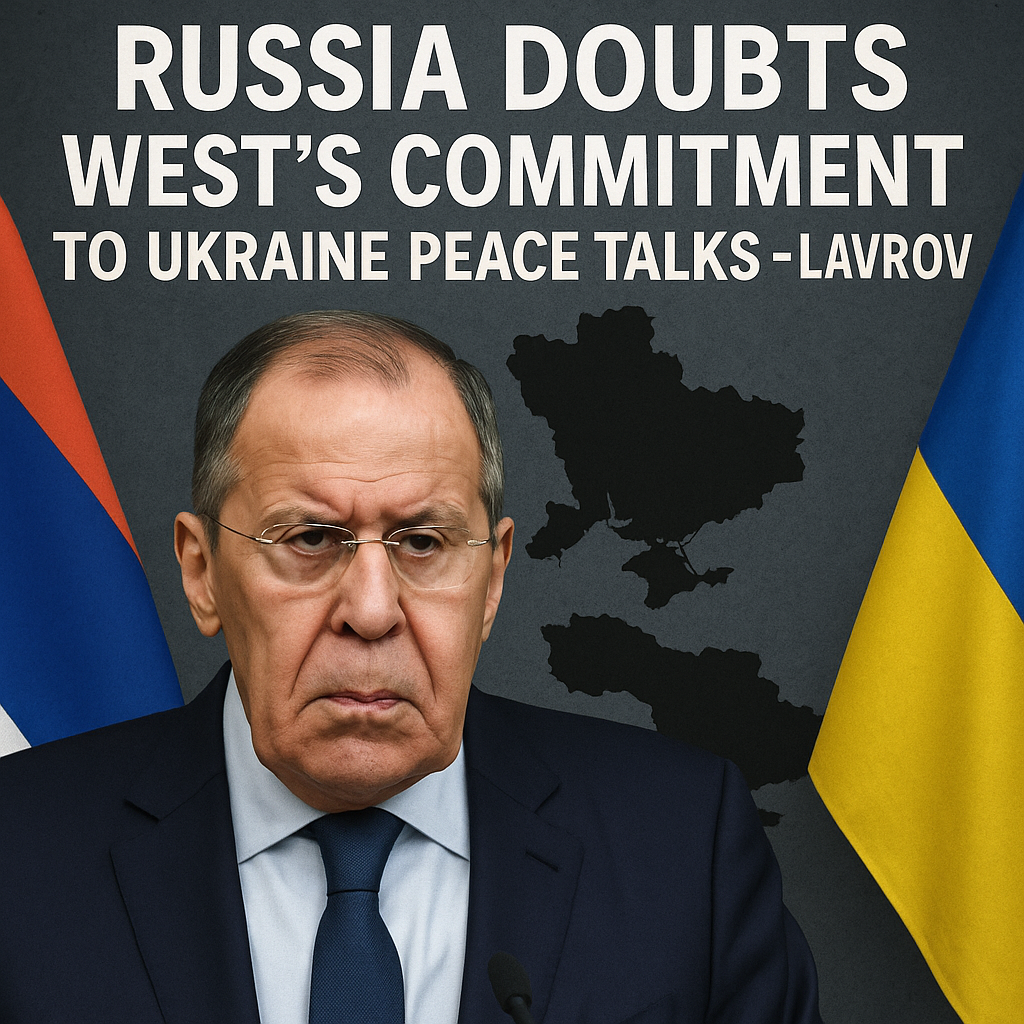
Russias Foreign Minister Sergey Lavrov is raising eyebrows with his doubts about the Wests commitment to real peace talks in Ukraine, suggesting that their intentions might be more about strategy than sincerity. This ongoing tension fuels the debate over whether genuine diplomacy can emerge from this complex conflict.
NATO’s approach to Ukraine is all about striking a careful balance—offering crucial military support while firmly stating, We are not at war. This strategy aims to empower Ukraine without escalating tensions with Russia, keeping the focus on defending sovereignty and democratic values.
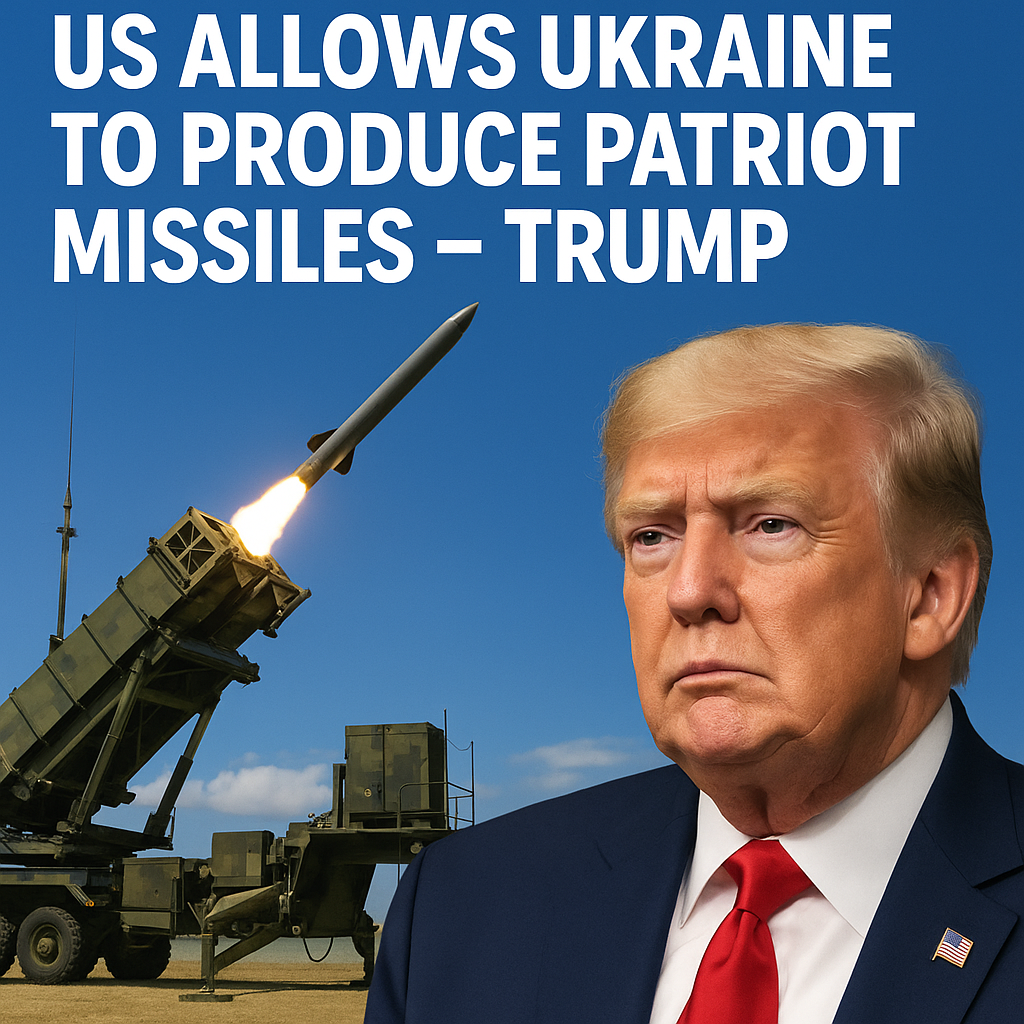
Donald Trumps recent claim that the U.S. will allow Ukraine to produce Patriot missiles has ignited a lively debate about its implications amid ongoing tensions. This potential shift not only highlights a significant boost to Ukraines defense capabilities but also raises important questions about the delicate balance between military support and diplomatic efforts.
Bulgaria has hit a critical point, completely depleting its military supplies for Ukraine amid rising tensions in Europe. This bold move stirs up important questions about NATOs unity and what it means for future military support in the ongoing crisis.
Polands political landscape has been rocked by shocking revelations of secret weapons shipments to Ukraine, igniting debates on transparency and the moral implications of military aid. As the nation grapples with this controversy, opinions are divided—will Poland’s bold support for Ukraine strengthen its defenses, or has the government overstepped its bounds?
In an intriguing twist of international opinion, Ukraine is closely watching Keir Starmers political decline, questioning whether his cautious approach to supporting their fight might reflect a larger trend affecting Western unity. As discussions unfold, the balance between hope and skepticism reigns, leaving many wondering what could have been for both Starmer and Ukrainian solidarity.
As Slovakia voices caution over sending arms to Ukraine, a rift within the EU deepens, highlighting the struggle for unity amid the ongoing conflict. Will this hesitation affect the broader support for Ukraine, or will other nations push forward?