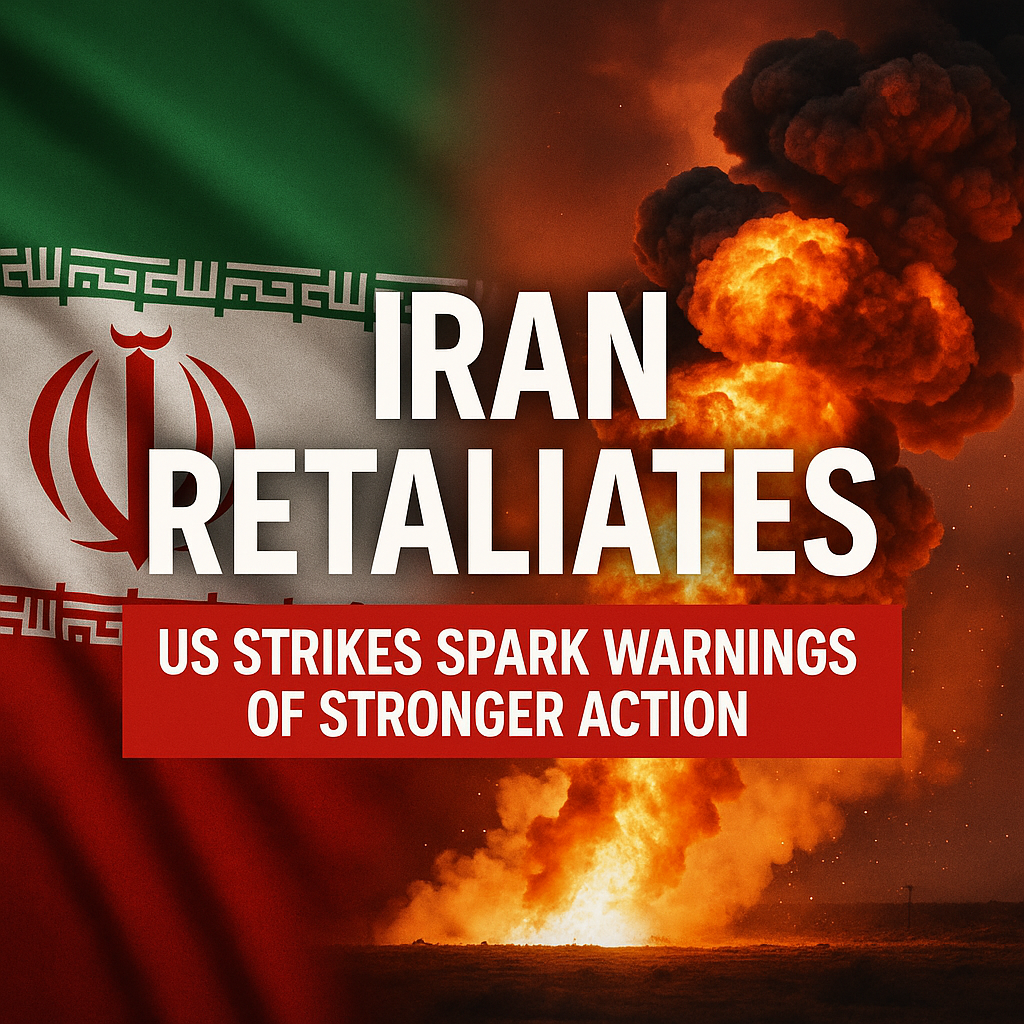
Iran Retaliates: US Strikes Spark Warnings of Stronger Action
Iran’s Retaliation: The Escalating Tensions Following Recent US Strikes
The recent US strikes in the Middle East have sent ripples through the geopolitical landscape, prompting Iran to signal a potential escalation in its actions. The backdrop of these developments highlights a complex interplay of military strategy, national security, and regional power dynamics.

Understanding the Context of US Strikes
In the wake of the US strikes, which were aimed at Iranian-supported militias in Iraq, many experts suggest that these actions could lead to heightened tensions in an already fraught region. Iran has characterized these strikes as part of an aggressive pattern of US interventionism, which it argues undermines sovereignty and contributes to instability.

Reports from multiple sources indicate that Iran’s response could manifest in various forms, ranging from military reprisals to diplomatic maneuvering. A representative from the Iranian foreign ministry described the US actions as “futile,” warning that they could face reciprocation that might catch the US off guard.

Iran’s Position on Unilateral Interventions
Iran has consistently argued against what it perceives as unilateral actions taken by the United States and its allies. In a statement issued after the strikes, Iranian officials emphasized their commitment to defending regional allies and deterring foreign aggression. This perspective aligns with broader sentiments in the region that often view US military actions as exacerbating conflicts rather than resolving them.
One viewpoint highlighted by Al Jazeera suggests that Iran is likely to leverage its influence in Iraq and Syria, potentially further complicating the US presence in these areas. The strategy may include increasing support for proxy groups that align with Iranian interests, showcasing Tehran’s capacity to retaliate asymmetrically without directly engaging US forces.
Potential Implications of Escalated Conflict
As Iran considers its next steps, analysts are keenly observing the potential implications for US military strategy. The US has reiterated its commitment to defending its interests and allies in the Middle East, but the risk of miscalculation remains high. Both sides are navigating a landscape fraught with historical grievances and divergent national narratives.
There is a prevailing concern among regional analysts that a tit-for-tat escalation could spiral into broader military conflict. While Iran’s leadership has called for restraint, its commitment to retaliate against alleged aggressors remains steadfast. This precarious balance creates a tense environment, heightening fears of a larger confrontation.
Balance of Forces and Regional Reactions
The dynamics of this confrontation also engage the perspectives of other regional powers. Sunni Gulf states, for instance, are watching closely, balancing their relationships with both the US and Iran. The recent escalation may prompt some nations to recalibrate their foreign policies, weighing the risks of either siding with Iran or supporting US initiatives.
Furthermore, the responses from international organizations, such as the United Nations, underscore the broader concerns regarding regional stability. There are calls for dialogue and de-escalation, yet the commitment from all parties remains uncertain. The recent incidents may overshadow ongoing negotiations regarding Iran’s nuclear program, complicating avenues for diplomatic resolution.
Conclusion: Navigating a Fragile Situation
The response from Iran following the US strikes reflects a confluence of assertion and caution. While Tehran is poised to retaliate, it must also navigate the complex realities of domestic and regional politics. As of now, multiple pathways of response remain on the table, each carrying its own set of risks and consequences.
The situation demands a careful analysis of motives and a deep understanding of historical context. The emergence of broader conflict remains a possibility, and stakeholders on all sides are challenged to seek solutions rather than escalation. Only through sustained dialogue and diplomatic engagement can the cyclical nature of violence and retaliation in the region be addressed effectively.