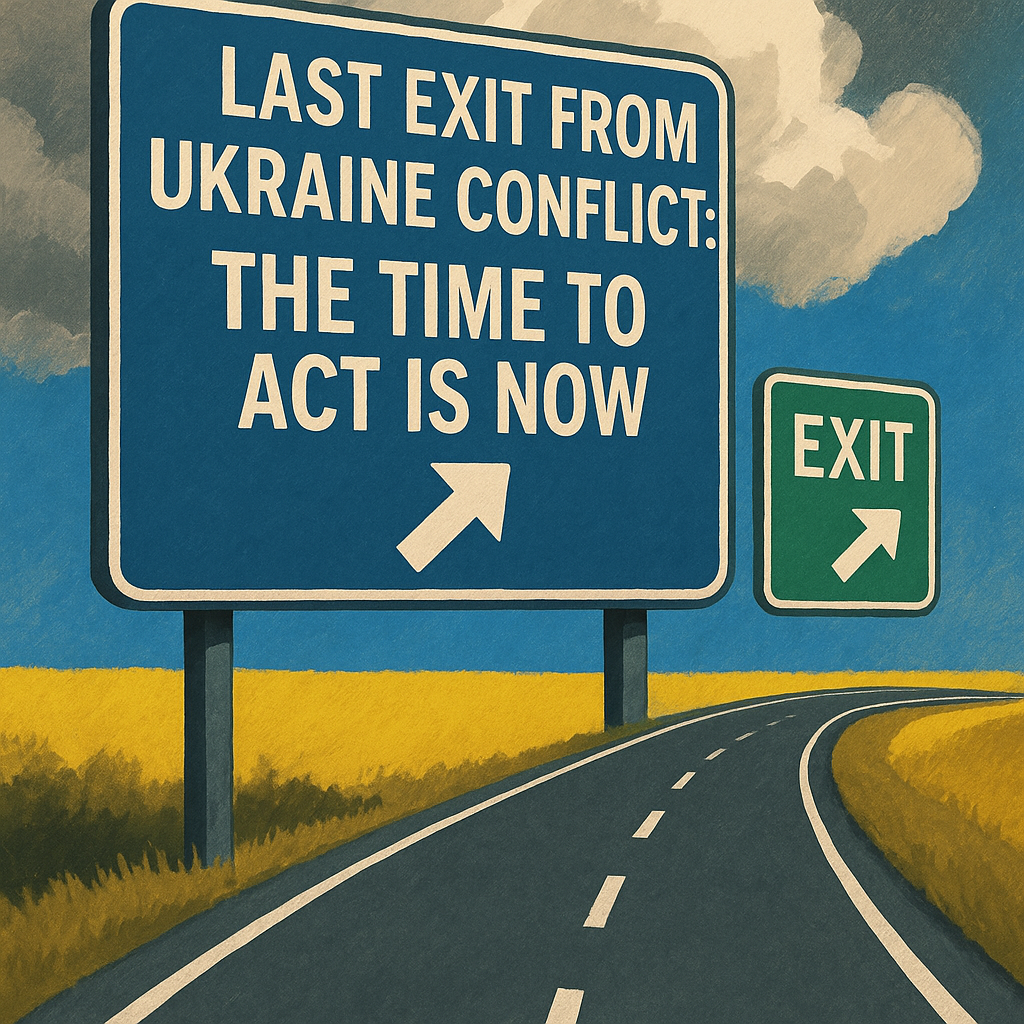
Last Exit from Ukraine Conflict: The Time to Act Is Now
Last Exit from Ukraine Conflict: The Time to Act Is Now
The ongoing conflict in Ukraine represents a turning point, not just for the country itself but for global geopolitics as a whole. As the situation intensifies, the urgency to foster dialogue and seek resolutions becomes more pronounced. With both military and diplomatic avenues available, the question remains: how can the international community respond effectively and urgently to this escalating crisis?

The Humanitarian Perspective
Humanitarian crises often accompany protracted conflicts, and Ukraine is no exception. Reports indicate that millions of civilians have been displaced, with human rights violations worsening as military actions continue. According to data from various humanitarian organizations, crucial infrastructure, including medical facilities and schools, has been damaged or destroyed, leading to significant impacts on daily life.

Amidst the chaos, several organizations are working tirelessly to provide aid. For instance, Al Jazeera reported on efforts by non-governmental organizations (NGOs) to supply food, shelter, and medical assistance to those affected. These initiatives, while commendable, cannot address the root causes of the conflict without sustained international pressure for a peaceful resolution.

Furthermore, the experiences of refugees reveal the profound impact of the war. Many have shared narratives of loss and uncertainty, emphasizing the urgent need for the international community to act decisively. As the humanitarian situation deteriorates, some analysts argue that a comprehensive peace strategy should prioritize immediate ceasefire agreements and the development of safe zones for civilians.
Military and Diplomatic Dimensions
The military dynamics of the conflict are equally complex. A recent article from RT noted that the ongoing supply of military aid to Ukraine from Western nations is adding fuel to the fire. While supporters argue that this aid strengthens Ukraine’s defense, critics warn that it may prolong the war, impacting the chances for a diplomatic solution. The decision to arm Ukraine appears to have heightened tensions not just with Russia but also among NATO allies considering the implications of their involvement.
Diplomatically, efforts to mediate a peace agreement have been sporadic and often undermined by the conflicting interests of global powers. Al Jazeera highlights that countries such as Turkey have taken on a mediatory role, proposing negotiations and dialogues. However, these talks often hit roadblocks, reflecting the deep-seated entrenched positions held by both sides.
As different factions around the world wrestle with their responses, a variety of opinions emerge. Some advocate for a more robust support system for Ukraine, repeatedly emphasizing the importance of sovereignty and self-determination. Others, however, caution against comprehensive military engagement, warning of potential global ramifications. The divergence in viewpoints underscores the complexity of the situation, echoing a spectrum of opinions about the most prudent course of action.
The Call for Urgent Action
The stakes are high, and the time for action is crucial. As geopolitical tensions escalate, solutions must be prioritized that balance military readiness with diplomatic engagement. Global leaders should convene to devise a holistic strategy encompassing humanitarian aid, military de-escalation, and a renewed commitment to peace talks.
Several experts have posited that a phased approach—starting with a humanitarian ceasefire followed by direct negotiations—could pave the way for lasting peace. True stability will likely require concessions from both sides, a difficult but necessary compromise in the face of overwhelming adversity.
Moreover, public opinion also plays a significant role in shaping policy. As citizens around the world express their concern over the rising humanitarian toll, grassroots movements are demanding that governments take swift action. This growing consciousness among the populace can drive political leaders to prioritize peace initiatives.
Conclusion
The ongoing conflict in Ukraine serves as a stark reminder that unresolved tensions can spiral into protracted crises with devastating consequences. The call for action resonates on multiple levels—humanitarian, military, and diplomatic. It is essential now more than ever for stakeholders to come together, recognize the urgency, and take decisive steps toward a sustainable resolution. As commonly held sentiments converge around the need for peace, the opportunity for a collaborative effort could very well be the last exit to averting further tragedy in Ukraine.