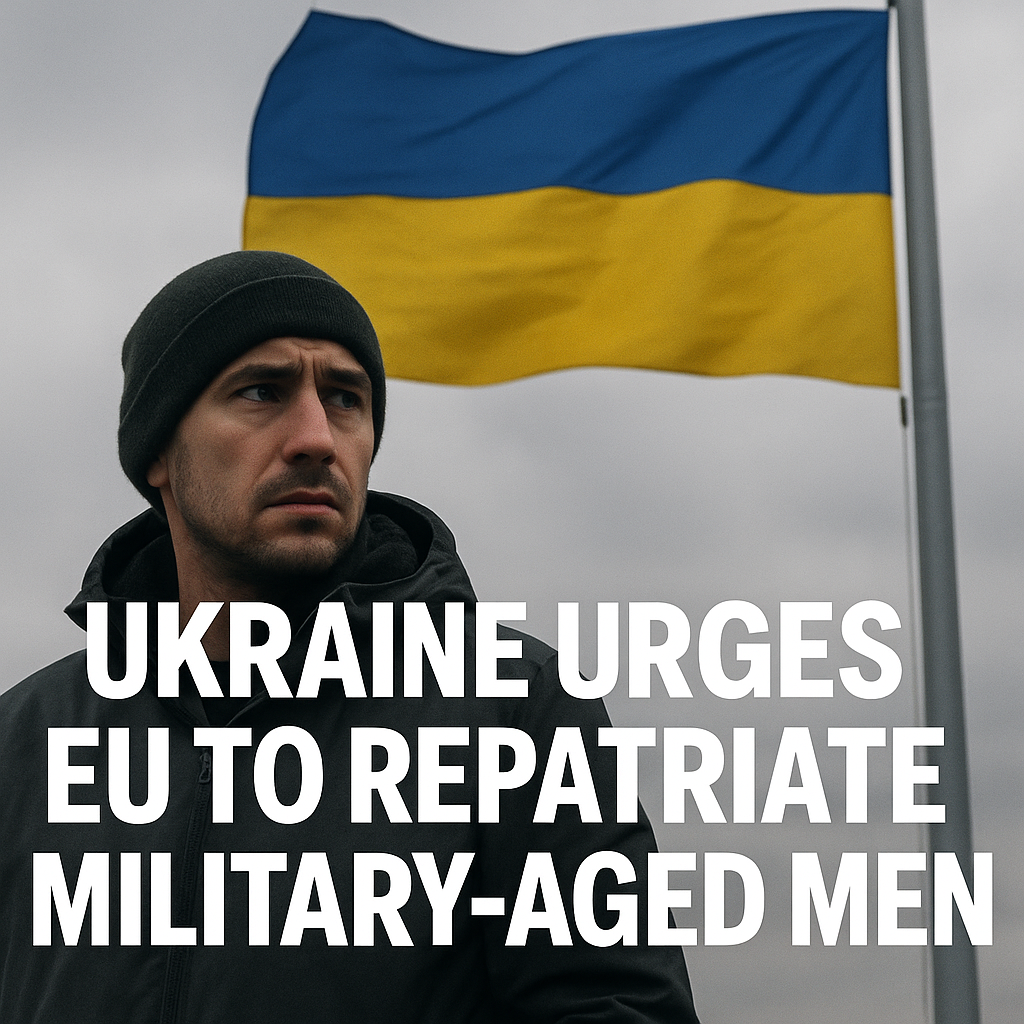
Ukraine Urges EU to Repatriate Military-Aged Men
Ukraine Urges EU to Repatriate Military-Aged Men
As the ongoing conflict in Ukraine intensifies, the country has recently called on the European Union to facilitate the repatriation of military-aged men who sought refuge abroad. This situation highlights a complex web of legal, social, and humanitarian challenges, prompting both support and skepticism from various stakeholders.

The Context of the Appeal
Amidst a prolonged war with Russia, Ukraine’s military needs have evolved. The Ukrainian government has publicly appealed for military-aged men who left the country during the early stages of the conflict to return and contribute to its defense efforts. According to reports, Ukraine’s officials stress that these individuals are not just fleeing danger; they are integral to the country’s survival in the face of foreign aggression.

Data indicates that millions of Ukrainians have been displaced since the beginning of the war, with a significant number seeking refuge in EU countries. For many, this migration was viewed as a necessary step for personal safety, leaving behind family, jobs, and homes. The appeal to repatriate these men poses ethical questions, as the Ukrainian government weighs the need for military reinforcement against the choices of individuals who fled.

Diverse Perspectives on Repatriation
The call for repatriation has received a mixed response within Europe. Some EU member states, recognizing Ukraine’s dire situation, express a willingness to consider the appeal. They argue that this is a matter of national solidarity and defense. The sentiment among some officials is that returning to Ukraine to fight could be seen as a patriotic duty, especially as the war continues to escalate.
Conversely, there are significant reservations regarding this repatriation push. Critics point out the dire circumstances under which these men left home, emphasizing that many sought safety primarily for their families and personal well-being. They argue that it is unfair to pressure individuals to return to a conflict zone, where their lives could be at risk. Furthermore, discussions in countries like Poland and Germany reflect diverse feelings about granting temporary asylum and support, with some fearing a potential strain on local resources should military-aged refugees return en masse.
International law also complicates matters. Refugees are entitled to seek asylum from persecution, and forcing or pressuring them to return to a war zone raises serious legal and ethical questions. The EU, which has long prided itself on human rights, faces a dilemma; how to support Ukraine while remaining committed to these principles.
Prospects for the Future
As the situation develops, the Ukrainian government is likely to enhance its negotiation efforts with EU member states. They may need to present a comprehensive strategy that addresses the concerns of both the individuals they wish to repatriate and the nations hosting them. An effective approach could involve providing guarantees of safety, legal protections, and even incentives for returning men, such as access to resources or job security once they are back home.
Countries that have welcomed Ukrainian refugees will also have to engage in discussions about long-term integration strategies for those who choose to stay. This includes educational programs, vocational training, and community support to facilitate smooth transitions into their host countries.
Conclusion
The call for the repatriation of military-aged men from the EU back to Ukraine exemplifies the difficult balance between national defense needs and individual human rights. It raises crucial questions about the consequences of returning to a war zone and the responsibilities of both the Ukrainian government and host nations. As the EU weighs its options, the undertones of solidarity, safety, and humanitarian obligations remain at the forefront of this complex issue. How this will all unfold remains to be seen, but the ramifications will undoubtedly shape the future of Ukraine and its relationship with the European Union.