
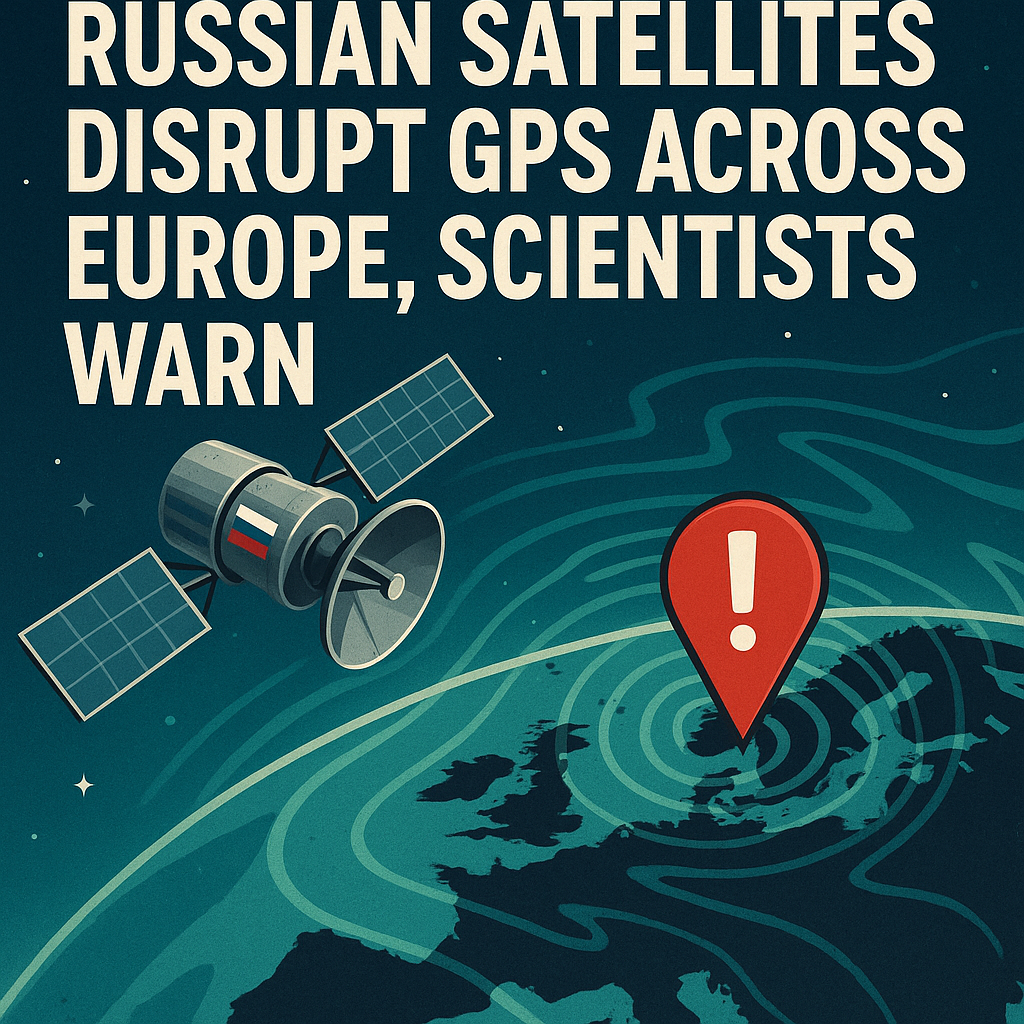
Russian Satellites Disrupt GPS Across Europe, Scientists Warn
Russian Satellites Disrupt GPS Across Europe, Scientists Warn
Recent reports indicate that Russian satellites have been implicated in significant disruptions to GPS signals across Europe, sparking a mix of concern and debate among scientists and policymakers. The ongoing situation raises questions about the broader implications for both civilian and military navigation systems in the region.

Understanding the Nature of the Disruption
Multiple sources, including experts from leading scientific institutions, claim that specific Russian satellites have been emitting signals that interfere with GPS technology. According to a report by Sky News, a combination of technical malfunction and intentional signal jamming has been identified. This disruption primarily affects nations within close proximity to conflict zones, particularly those in Eastern Europe.

Scientists warn that such actions, whether intentional or a result of negligence, could have far-reaching repercussions. GPS technology is critical for various sectors, including aviation, maritime navigation, and even emergency services. The disruption could not only lead to navigational errors but also pose risks to public safety, especially in emergency situations.

Despite the widespread reports, opinions on the motivations behind these disruptions vary. Al Jazeera highlights that while certain experts lean towards the idea of deliberate interference aimed at challenging Western nations’ navigation systems, others suggest that technical issues related to the satellites may be at play. This divergence reflects the complex interplay of geopolitical tensions and technological challenges that shape our understanding of such events.
The Geopolitical Implications
With tensions escalating between Russia and NATO countries, the implications of these disruptions extend beyond technical concerns. Military analysts have raised alarms that such acts could be part of broader strategies for electronic warfare. Disruptions could impact not just civilian navigation but also military operations, potentially impeding the strategic movements of armed forces dependent on reliable GPS functionality.
RT reports that Russian officials have dismissed claims regarding the deliberate targeting of GPS signals, indicating that their satellite operations are conducted in accordance with international regulations. This assertion, however, is met with skepticism from many Western experts who emphasize that these disruptions coincide with escalating military posturing in the region.
In an age where technological warfare is increasingly prevalent, the disruption of navigation systems signifies a new battleground. Countries are now compelled to reassess their defenses against such technological vulnerabilities. The potential reliance on alternatives to GPS, such as utilizing localized systems or investing in new satellite technologies, is becoming a topic of intense discussion among European nations.
Navigating the Path Forward
To mitigate the risks associated with GPS disruptions, experts suggest the development of redundant navigation systems. These alternative systems could help ensure reliability in navigation regardless of potential interferences. Investment in enhanced resilience and cybersecurity measures will be crucial for protecting navigation infrastructures.
Furthermore, international organizations may need to convene to establish clearer regulations surrounding satellite operations, particularly in times of heightened geopolitical tensions. Establishing a framework could help prevent misunderstandings and foster greater transparency among nations involved in satellite technologies.
As the situation remains dynamic, the necessity of vigilance among nations increases. Monitoring and research will be essential to develop timely solutions to counteract disruptions effectively. The scientific community’s role in synthesizing data and providing recommendations will be critical in addressing both the immediate concerns and the long-term strategies required to safeguard against future disruptions.
Conclusion
The disruption of GPS signals by Russian satellites serves as a stark reminder of the vulnerabilities inherent in modern navigation technologies amid geopolitical tensions. While some experts caution against labeling these actions as purely hostile, the reality remains that the consequences impact a broad spectrum of civilian and military operations. As nations navigate these challenges, a collaborative approach to developing robust navigation strategies and establishing international protocols will be necessary to ensure the safety and security of navigational systems moving forward.















