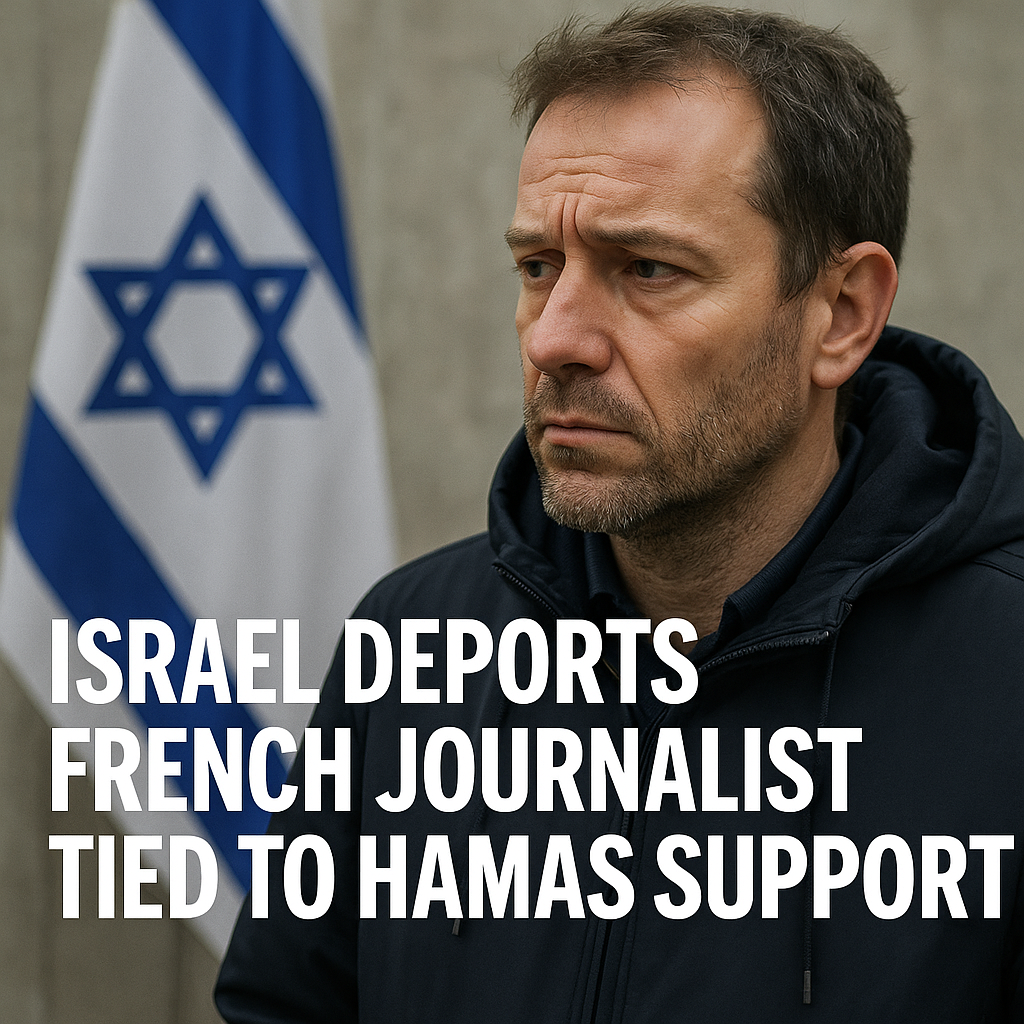
Israel Deports French Journalist Tied to Hamas Support
Israel’s Controversial Deportation of French Journalist Tied to Hamas Support
The recent deportation of a French journalist by Israeli authorities has reignited discussions about press freedom, national security, and the complex relationship between Israel and Hamas. This incident underscores the delicate balance between safeguarding a nation’s security interests and upholding the principles of media independence.

The Incident: A French Journalist’s Removal
On June 11, 2026, Israel deported the journalist, who had been reporting on the Gaza Strip and its socio-political dynamics. Authorities accused him of having links to Hamas, the Palestinian group considered a terrorist organization by Israel and several Western nations. The Israeli government has long maintained a strict stance on journalists whom it associates with activities seen as supportive of or sympathetic to Hamas, making this incident emblematic of broader tensions in the region.

According to reports from Al Jazeera, the deportation was justified on the grounds that the journalist’s activities posed a threat to national security. The Israeli Interior Ministry stated, “We cannot allow individuals to interfere with our safety and security”. This rhetoric resonates with a segment of the population that views Hamas as a direct threat. Conversely, critics argue that such actions undermine journalistic integrity and freedom of the press.

Perspectives on Press Freedom and National Security
Critics of the deportation highlight the risks that come with targeted actions against journalists, especially in conflict zones. Many argue that these types of government actions can create an atmosphere of fear among journalists, stifling diverse narratives and discouraging critical reporting from inside Gaza. Reporters Without Borders, a global non-profit organization advocating for media freedom, condemns such deportations as violations of fundamental rights.
From another standpoint, supporters of the Israeli government’s actions maintain that the state has a responsibility to protect its citizens from any perceived threats. Security measures, including deporting individuals with alleged ties to organizations like Hamas, are often viewed as necessary precautions in an ongoing conflict scenario. This perspective considers the broader context of terrorism and its implications not just for Israel but for peace in the region as a whole.
A Complex Landscape of Journalism in Conflict Zones
Reporting from conflict zones presents unique challenges. Journalists often navigate a landscape fraught with risks, where allegiance can be questioned, and motives scrutinized. The Israeli government’s justification for deporting the French journalist reflects a longstanding tension where information can be weaponized and journalists may face repercussions for their inquiries.
Moreover, there is a growing concern about the polarization in media narratives surrounding the Israel-Palestine conflict. While some outlets provide insights into the Palestinian perspective, the framing often varies significantly between different news sources. The need for balanced reporting becomes even more critical in light of actions like deportation, which can skew the public’s understanding of events.
The Broader Impact of the Deportation
The deportation of the French journalist not only affects his ability to report on critical issues in Gaza, but it also raises larger questions about the future of media freedom in the region. How can journalists effectively cover conflicts when they face the threat of expulsion or violence? This incident has ignited discussions on social media and beyond, calling for solidarity among journalists and advocating for the protection of press freedoms.
In the ever-evolving landscape of media and conflict, how governments handle situations like this will likely shape public perception and trust in journalism. While national security remains a priority, a fair and balanced approach to media relations is essential for fostering a healthy discourse on sensitive issues.
Conclusion: Toward a Fairer Media Landscape
The deportation of the journalist tied to alleged Hamas support adds another layer of complexity to the ongoing narrative surrounding Israel and the Palestinian territories. While the Israeli government is justified in its pursuit of national security, it’s essential to strike a balance that also respects the freedoms that enable a democracy to thrive.
As both sides navigate this contentious terrain, the international community and media watchdogs will undoubtedly keep a close eye on developments. Only time will tell how these incidents will influence press freedom and journalistic integrity in regions marred by conflict. However, it is imperative for all stakeholders involved to pursue dialogues that promote understanding, rather than fear, fostering a climate where journalists can perform their duties without the threat of deportation or violence.