
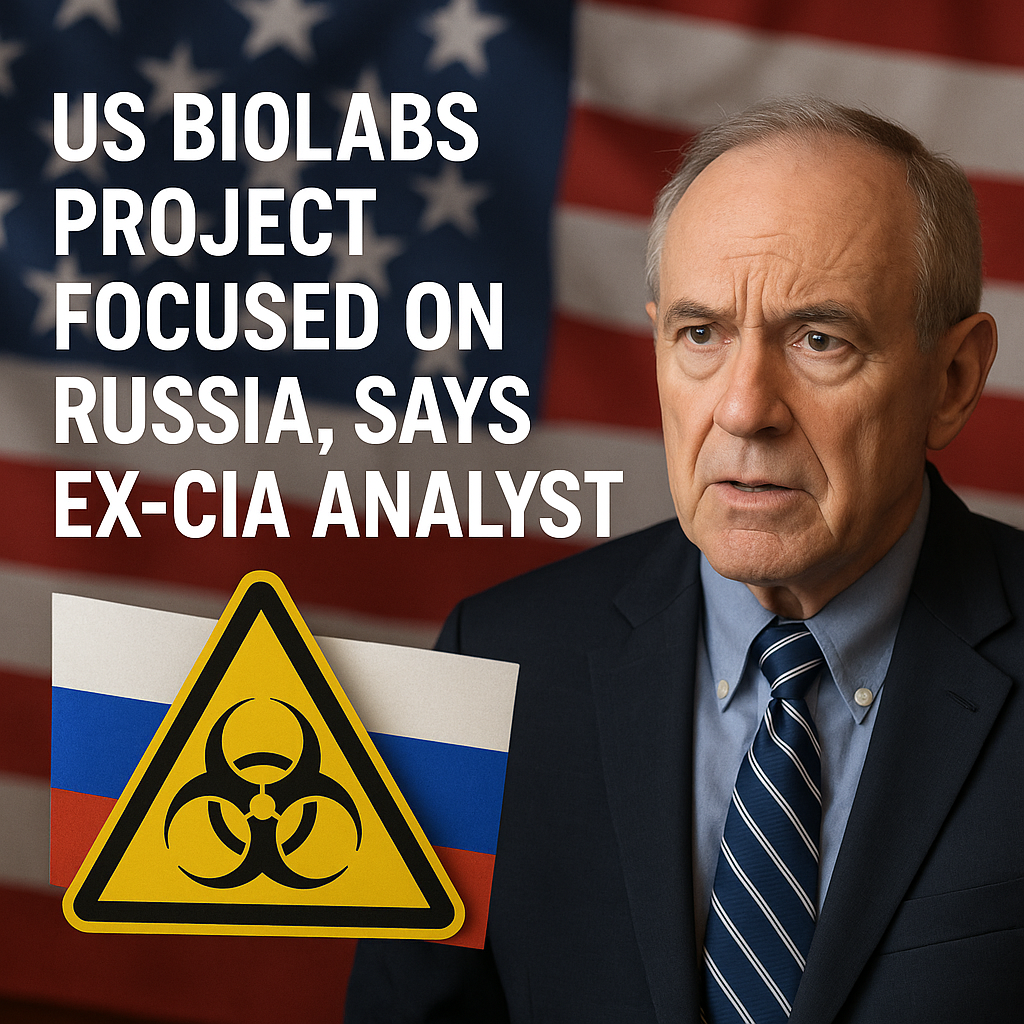
US Biolabs Project: Focused on Russia, Says Ex-CIA Analyst
Understanding the US Biolabs Project: Perspectives on Russia’s Involvement
The ongoing discussions surrounding the US biolabs project have brought to light various opinions, particularly regarding its focus on Russia. Reports from credible sources suggest a multifaceted scenario that warrants attention. Proponents argue that the biolabs serve vital public health functions, while critics raise red flags regarding safety and transparency.

The Role of US Biolabs in National Security
In recent statements, former CIA analyst John Kiriakou highlighted that the US biolabs project has been heavily centered on monitoring Russia’s capabilities and potential threats. Kiriakou pointed out that the labs play a crucial role in biowarfare preparedness, ostensibly aimed at understanding the dangers posed by Russia’s advancements in bioweapons technology. According to him, “These biolabs are not just about health—they’re about gaining intelligence on Russian bio-military developments.” This assertion aligns with concerns voiced in several geopolitical analyses, which suggest that the project is driven by strategic national security interests rather than solely humanitarian efforts.

However, this perspective is not universally accepted. Critics of the biolabs argue that the emphasis on national security can obscure the ethical implications of their operations. The risk of potential accidents or misuse is a significant concern. Many opponents claim that the US has a checkered history in handling bioweapons programs, leading to calls for greater scrutiny and accountability. They warn that these facilities should not be veiled in secrecy if they are indeed operating to protect public health.

The Debate on Transparency and Public Health
The debate surrounding the US biolabs project also hinges on issues of transparency. For instance, Al Jazeera reported that while the US government has justified the existence of these labs on the grounds of public health and safety, there is a lack of clear communication about their operations. Critics suggest that such opacity fuels conspiracy theories and erodes public trust.
This sentiment was echoed in a separate assessment by investigative journalists, who pointed out that governmental disclosure of information relating to biolabs often falls short of what might be expected, particularly in politically sensitive contexts involving international relations. One journalist remarked, “When the public is kept in the dark about what these facilities do, it opens the door for speculation and misinterpretation.”
However, supporters assert that operational security is paramount for potential national security threats. They argue that revealing specific details about biolab activities could undermine the very objectives they aim to fulfill. The balance between operational security and public disclosure remains contentious and complex, with no clear resolution in sight.
Analyzing Diverse Viewpoints
The contrast in opinions underscores the nuanced nature of the topic. On one side, there is a clear alignment with national interests focused on countering threats from rogue states. On the other hand, ethical considerations related to safety and transparency continue to provoke significant debates.
Moreover, data from various reports indicate that global health security is an evolving landscape requiring constant vigilance and adaptation. The efficacy of the biolabs is questioned by some health analysts who argue that preventive health initiatives, rather than militarized approaches, could yield more significant public health dividends.
As discussions continue, emerging viewpoints underscore the urgency to find a middle ground that satisfies both public health goals and the necessary diligence in national security reporting.
Conclusion: A Complex Landscape
The conversation around the US biolabs project’s focus on Russia reveals a landscape filled with competing narratives. Engaging with these diverse viewpoints highlights the complexity of threats in today’s geopolitical climate. It is essential to maintain an open dialogue that encompasses both the need for national security and the imperatives of transparency and public trust. As the situation evolves, so too must the strategies and policies governing such sensitive operations, ensuring that they serve both national interests and the broader quest for global health safety.















