
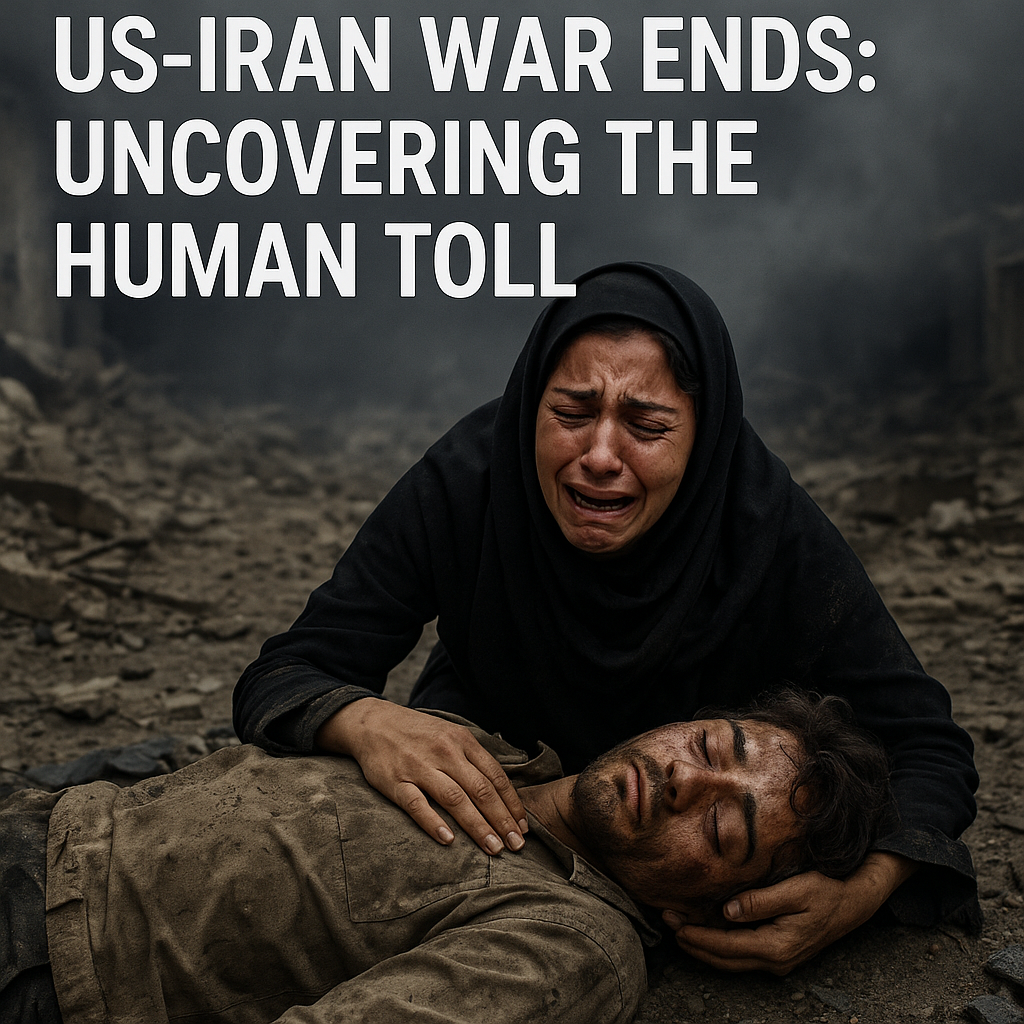
US-Iran War Ends: Uncovering the Human Toll
US-Iran War Ends: Uncovering the Human Toll
The recent conclusion of the US-Iran War marks a significant shift in geopolitical relations and highlights the profound human toll of prolonged conflict. While political analysts assess future implications, it’s crucial to focus on the individuals affected by this decades-long strife, as their stories reflect the multifaceted consequences of war.

The Immediate Impact on Civilians
The human cost of the US-Iran War cannot be overstated. Reports estimate that thousands of civilians lost their lives or were displaced due to military actions and resulting instability in the region. According to various sources, the conflict has led to various humanitarian crises, including food shortages, lack of medical care, and an escalating refugee situation.

In cities heavily bombarded during combat operations, families face destruction of homes and infrastructure, exacerbating daily struggles. For instance, healthcare systems in both Iran and areas affected by US campaigns have crumbled under the pressure of ongoing conflict, making it increasingly difficult for citizens to access necessary medical services.

The Broader Humanitarian Crisis
As the war subsides, a humanitarian crisis unfolds, highlighting the ongoing struggles of displaced populations. Estimates from credible international organizations reveal that millions within both countries have been affected by the war’s ramifications. Thousands remain refugees, living in precarious conditions with little access to essential services.
Organizations like the United Nations and numerous NGOs have reported alarming statistics regarding mental health issues stemming from the conflict. The trauma endured by civilians, particularly children, is profound. Exposure to violence has left indelible marks on society, leading to a rise in depression, anxiety, and post-traumatic stress disorder (PTSD).
Moreover, the environmental toll has been alarming. Areas subjected to conflict face contamination due to military activities, which has raised concerns about long-term implications for health and agriculture. Reports show that regions once fertile may struggle to recover, compounding food insecurity among populations already devastated by the fallout of war.
Responses and Recovery Efforts
In the wake of the war’s conclusion, various initiatives are underway to provide relief and support recovery efforts. Both governmental and non-governmental organizations are mobilizing to assist those whose lives have been upended. Financial aid, medical support, and infrastructure rebuilding are key components of these recovery efforts.
However, contrasting viewpoints emerge regarding the effectiveness and sufficiency of these responses. While some argue that current efforts are a step in the right direction, others contend that they are insufficient to address the scale of the crisis. Critics highlight the need for a more coordinated international response to ensure that civilian needs are met comprehensively.
The Role of Governments in Healing
Governments of both the United States and Iran face immense pressure to lead the charge in recovery and reconciliation. There are growing calls for acknowledgment of the human cost incurred during the conflict, with advocates suggesting that this recognition should precede any reconstruction efforts.
In Iran, society grapples with confronting the reality of losses and starting dialogues for healing. Rebuilding trust and understanding will be a challenging task, particularly given the political tensions that have historically shaped US-Iran relations. Meanwhile, the U.S. is urged to reconsider its foreign policy approach to avoid repeating past mistakes in similar conflicts.
Conclusion
The end of the US-Iran War lays bare not only the geopolitical shifts but also the grave human toll on civilians both in the conflict zones and beyond. As the world looks ahead, it is imperative to keep the focus on those most affected—supporting recovery, acknowledging pain, and fostering dialogue among all parties involved. Only by centering humanity in discussions about war can we hope to foster a lasting peace that serves the best interests of those who suffered the most.















