
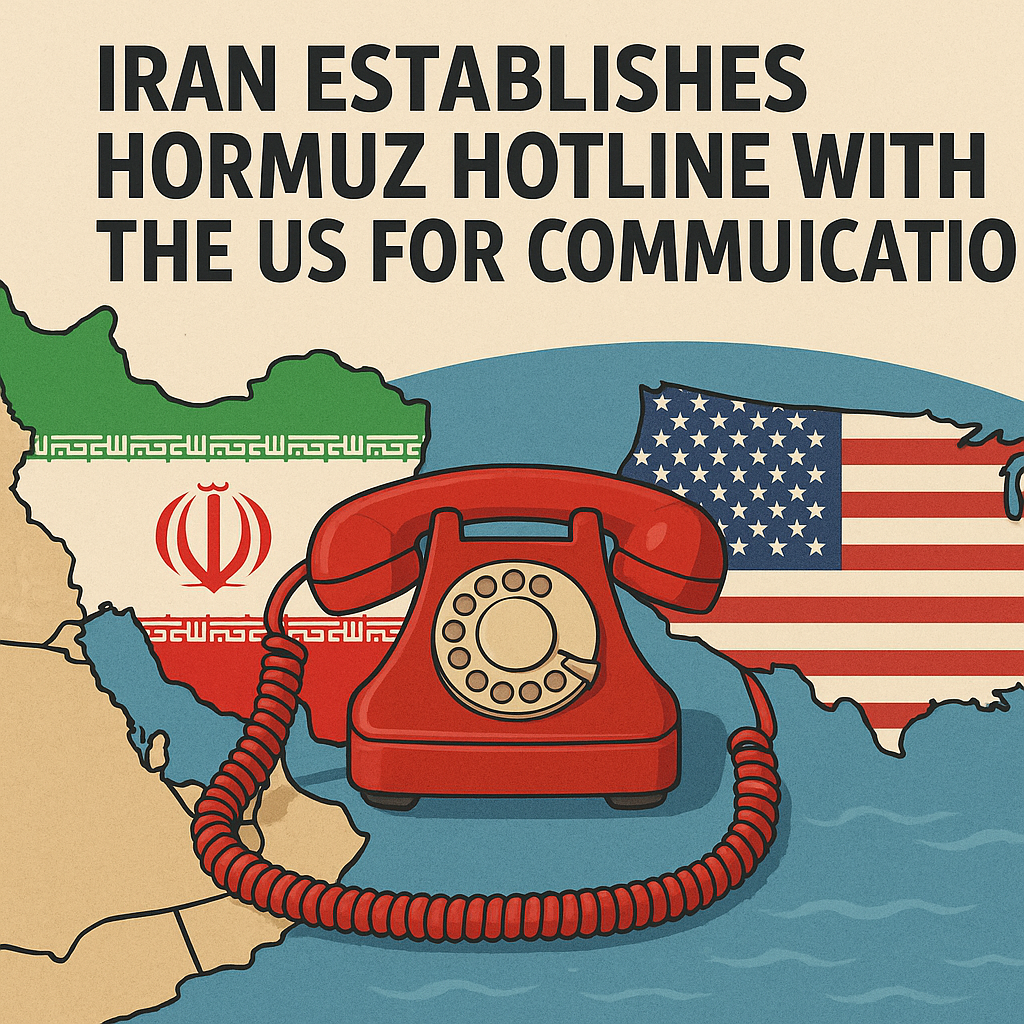
Iran Establishes Hormuz Hotline with the US for Communication
Iran Establishes Hormuz Hotline with the US for Communication
In a significant diplomatic development, Iran has initiated a communication hotline with the United States regarding incidents in the Strait of Hormuz, a critical pathway for global oil transportation. This move comes amidst escalating tensions in the region and aims to enhance safety and cooperation concerning maritime activities, thereby reducing the chances of miscalculations or conflicts.

Navigating Tensions in the Strait of Hormuz
The Strait of Hormuz is one of the world’s busiest maritime chokepoints, where a substantial amount of oil traded globally passes through. The establishment of a direct communication line between Iran and the US has been received with mixed reactions from various geopolitical experts and analysts.

Supporters of the hotline argue that this initiative could foster more transparent communication, potentially leading to a decrease in military confrontations in the area. “Having an open line of communication is a crucial step in preventing misunderstandings that can lead to conflict,” suggests one maritime security expert.

However, skeptics highlight that despite this proactive measure, the broader geopolitical climate remains fraught with mistrust. According to a senior US official, the hotline’s effectiveness will largely depend on the willingness of both nations to engage proactively rather than react defensively. “Communications are only as good as the intentions behind them,” the official noted, emphasizing that historical patterns suggest both countries may struggle to maintain a reliable dialogue.
A New Chapter or a Mere Formality?
The recent escalation of military exercises in the region has sparked concerns and debates about the necessity of such communication lines. Iran’s actions, perceived by some as aggressive, have prompted US naval forces to increase their presence in the Strait to ensure the safety of maritime traffic. Reports indicate that US warships have been operating in the region more frequently, which Iran views as a threat to its sovereignty.
Conversely, Iran’s establishment of the hotline has been welcomed as a potential stabilizing factor. A spokesperson for Iran’s Foreign Ministry remarked, “Effective communication channels can lead to mutual understanding and help alleviate tensions that have plagued our interactions.” This viewpoint posits that the hotline is not merely a diplomatic gesture but a genuine attempt to manage and mitigate risks associated with naval encounters.
Nevertheless, the contrast in viewpoints raises an essential query: Is this hotline a genuine commitment to peace, or is it simply a strategic maneuver designed to present a more collaborative image to the international community?
The Global Context and Implications
The broader context of international relations shows that such communication channels can yield positive outcomes. For instance, the establishment of hotlines following previous Cold War tensions between the US and the Soviet Union played crucial roles in de-escalating potential conflicts. Histories of misunderstanding and miscommunication have often escalated minor incidents into larger ones.
However, the effectiveness of the Iran-US hotline will be subject to both parties’ accountability and response. Previous incidents in the region, including confrontations involving Iranian vessels and US naval forces, remind analysts that establishing dialogue does not automatically guarantee peace. The challenge lies in translating good intentions into tangible actions that avoid miscalculations.
As Iran and the US navigate this complex landscape, the initiative may also have repercussions for regional allies and adversaries. A more stable Strait of Hormuz could boost economic exchanges, yet it also raises concerns regarding power balance in the area. Countries like Saudi Arabia and the UAE, who are traditionally more aligned with US interests, might view this development with skepticism, fearing a shift in Iran’s approach to their maritime policies.
Conclusion: A Balancing Act Ahead
The establishment of the Hormuz hotline presents both opportunities and challenges for Iranian and US relations, especially concerning the Strait of Hormuz’s vital waters. It’s an effort to potentially create a framework for dialogue that could benefit broader regional stability. Still, the underlying mistrust and competing interests will need to be addressed for this to be effective.
While the hotline could symbolize a move towards more responsible engagement, its ultimate success will depend on the actions of both nations moving forward. As the world watches, one thing remains clear: open communication, when rooted in mutual respect and genuine intent, can be a powerful tool in preventing escalation and fostering a more stable geopolitical landscape.















