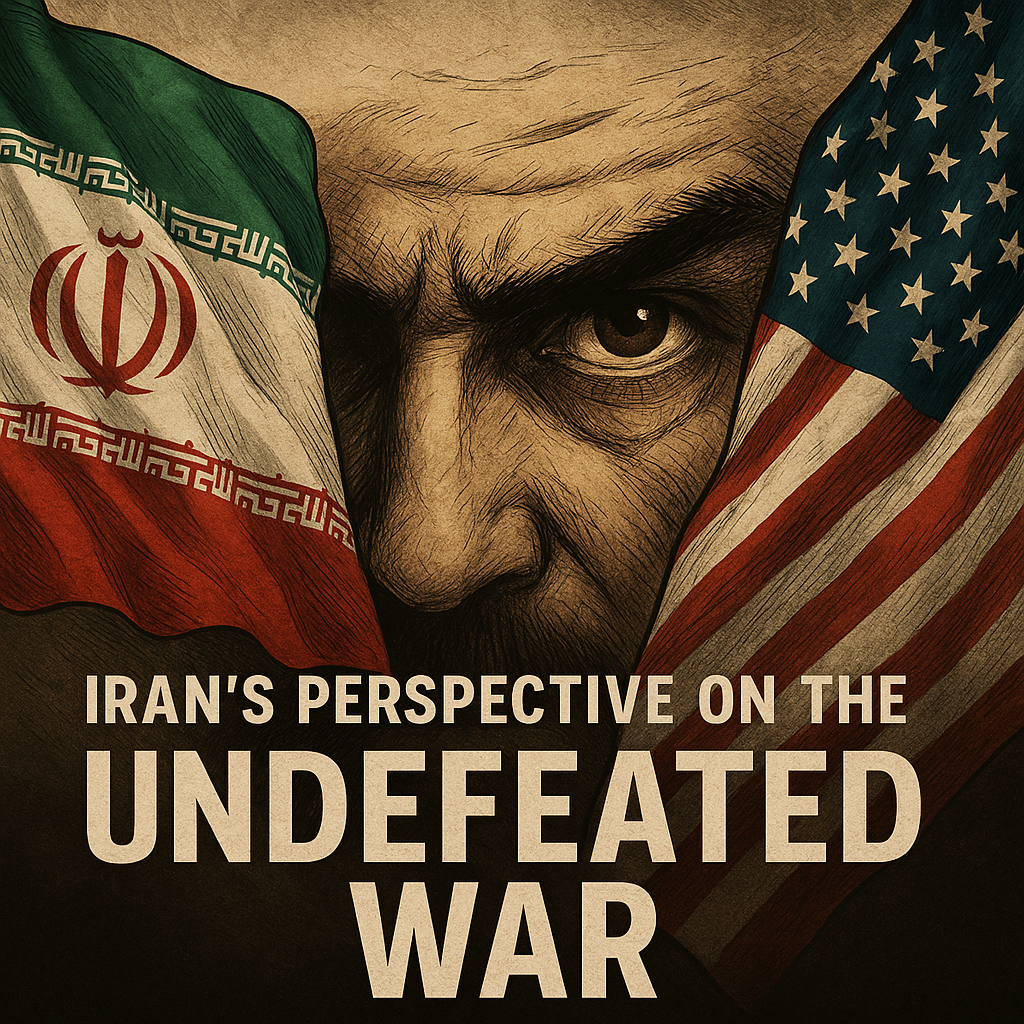
Iran’s Perspective on the Undefeated War with the US
Iran’s Perspective on the “Undefeated War” with the US
Iran’s ongoing hostilities with the United States have sparked discussions about an “undefeated war,” a term that evokes profound implications for both national identity and geopolitical strategy. While many may focus on the military aspects of this conflict, the broader narrative stretches into the realms of ideological resilience, economic sanctions, and regional power dynamics.

The Context of the Conflict
Since the 1979 Islamic Revolution, Iran has positioned itself in opposition to US influence in the Middle East. This ideological schism was clearly articulated by Iranian officials who describe their struggle against the US not merely as a military engagement, but as a deep-rooted fight to uphold national sovereignty and Islamic values. According to Ali Marandi, a senior adviser to Iranian officials, the term “undefeated war” encapsulates Iran’s perception of its resilient stance against what it views as incessant American aggression, especially following the imposition of comprehensive economic sanctions.

In this lens, Iran’s enduring confrontation with the US reflects a broader struggle against imperialism. Iranian authorities often claim success in responding to US policies through various means, including cultivating alliances with regional actors like Hezbollah in Lebanon and the Houthis in Yemen. This aligns with the view that even amid pressure from sanctions, Iran has managed to sustain its influence across the region, from Syria to Iraq.

Sanctions and Economic Strain: A Double-Edged Sword
However, the narrative of an “undefeated war” is not without its complexities. Economic sanctions led by the US have severely impacted Iran’s economy, leading to inflation rates soaring as high as 40% and a noticeable decline in the value of its currency. Many analysts stress that while the Iranian government touts its resilience, the economic fallout presents a unique challenge to its stability. These hardships have sparked protests among citizens, who frequently express discontent over insufficient economic opportunities and rising living costs.
Some reports from Al Jazeera note that while the Iranian leadership continues to invoke national pride and resilience, the public’s patience is wearing thin. In this duality of triumph and struggle, the Iranian government finds itself navigating not only the external pressures of US sanctions but also internal dissent that could undermine its ideological narrative of resistance.
Implications for Regional Stability
Iran’s stance heavily influences geopolitical dynamics in the Middle East. The Iranian military presence in Syria and support for various militant groups throughout the region signify its commitment to countering US interests. This approach not only solidifies its national narrative but also poses challenges for US allies, particularly Israel and Saudi Arabia, who view Iran’s strategic maneuvers with concern.
Moreover, the divergence in perception of the conflict between Iran and the US compounds these regional tensions. While Iranian officials argue that their strategies bolster regional stability and self-determination, critics frequently point to the destabilizing effects of Iran’s regional interventions. The US, for its part, often frames its policies in the context of protecting democracy and human rights, creating a tangled narrative that fosters continued friction in diplomatic relations.
Diverging Perspectives on Resolution
The way forward remains fraught with uncertainty. Some experts propose that returning to diplomatic negotiations may provide a pathway to ameliorate tensions, echoing sentiments advocated by various Iranian reformists who call for engagement with the West to bring about economic relief. However, this perspective faces considerable opposition from hardliners within Iran, who maintain that any concession to the US would be a betrayal of the national interest.
In contrast, the US stance remains one of maintaining pressure until Iran curtails its nuclear program and halts its regional influence. The dilemma lies in finding common ground; while both sides may recognize the costs of continued animosity, the foundational distrust complicates any potential reconciliatory efforts.
Conclusion
Iran’s portrayal of its struggle as an “undefeated war” against the US encompasses not merely military confrontations but a broader contest over ideological and national identity. As both sides navigate a complex landscape of sanctions, regional geopolitics, and public sentiment, the path to de-escalation remains uncertain. The juxtaposition between claims of resilience and growing domestic challenges illustrates the intricate web of factors at play, emphasizing that while wars can often remain unresolved, the consequences for ordinary citizens can be very real and immediate. This multifaceted conflict requires ongoing examination as it evolves amidst shifting global dynamics and domestic pressures.