
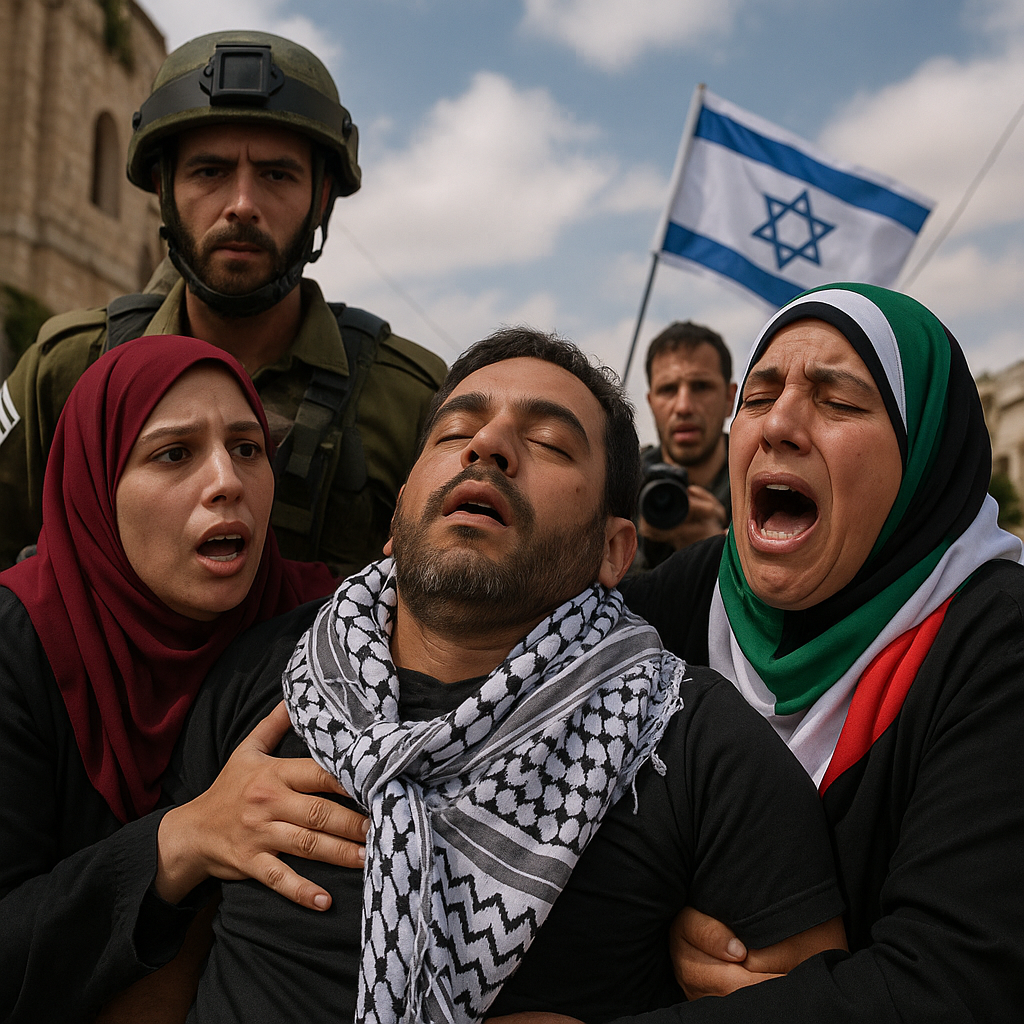
Palestinian Activist Faints After Israeli Prison Release
Unpacking the Release of a Palestinian Activist
The recent release of a Palestinian activist from Israeli prison has triggered a wave of emotional responses and political discussions, particularly following the dramatic moment when he fainted shortly after his release. This incident underscores the complexities surrounding the Israeli-Palestinian conflict, as well as the broader implications for activism in the region.

The Activist’s Release: Context and Reactions
The activist in question, whose identity and case are representative of many others facing imprisonment, was released as part of a recent wave of Palestinian detainees. This release is significant within the context of ongoing tensions between Israel and Palestine. Al Jazeera reported that the activist had spent considerable time behind bars, leading to various health issues. As he exited the prison, his fainting spell raised alarm among supporters and highlighted the physical toll that prolonged incarceration can have on individual activists.

Supporters gathered at the prison gates, expressing their joy but also concern for the activist’s wellbeing. Many hailed his release as a victory, interpreting it as a sign of shifting dynamics within Israeli policies regarding Palestinian prisoners. Yet, the moment also served as a reminder of the frailty of life and health among those targeted in the struggle for Palestinian rights.

However, reactions from different camps vary widely. While many in Palestine see the activist’s return as a beacon of hope, voices from some Israeli officials decried the decision to release prisoners as undermining security efforts. This divergent perspective reflects the larger contentious narrative surrounding prisoner treatment and human rights, illustrating the challenge in reaching a consensus in this highly polarized environment.
Health and Human Rights Concerns
The health issues faced by the activist upon his release emphasize critical concerns regarding the human rights conditions for prisoners in Israeli jails. Reports indicate that many Palestinians detained under similar circumstances suffer from inadequate medical care, leading to dire physical consequences. Human Rights organizations consistently highlight these challenges, arguing for reforms to ensure the humane treatment of all detainees.
The fainting incident not only fuels calls for more substantial reforms in treatment-related policies but also emphasizes the need for international scrutiny. Many activists and organizations are urging the global community to monitor such situations closely, advocating for transparency and accountability in the treatment of Palestinian prisoners.
In contrast, some Israeli commentators argue that security concerns take precedence over humanitarian considerations, citing instances where released prisoners have allegedly returned to antisocial behavior or terrorism. This perspective invites further debate about balancing security needs with the rights and humane treatment of individuals accused of political dissent.
A Broader Implication of Activism
The fainting of this activist after his release is indicative of broader themes in the ongoing struggle surrounding Palestinian activism and resistance. Activists argue that each case of incarceration, particularly those leading to medical emergencies, adds urgency to their cause and heightens awareness around Palestinian rights on a national and international stage.
The cultural implications of such activism cannot be overlooked. Released individuals often symbolize resilience and hope for many in the Palestinian territories, inspiring further grassroots movements and encouraging dialogue both locally and globally. Conversely, they also draw the ire and suspicion of those who feel threatened by the call for Palestinian independence and rights.
Conclusion: The Complexity Continues
The fainting of the Palestinian activist upon his release opens a nuanced dialogue regarding the human aspects of a fraught geopolitical issue. While many view his release as a triumph amidst continued struggles for rights, it must be contextualized within the larger, more complex narrative of Israeli-Palestinian relations. The combined pressures of political realities, health crises among prisoners, and concerns for public safety underscore the weight of these issues.
As reactions diverge and new calls for change emerge, this event places a spotlight on the broader implications for human rights and activism in the region. While consensus remains elusive, the shared human experiences underpinning this situation remind us of the urgent necessity for dialogue, empathy, and lasting solutions.















