
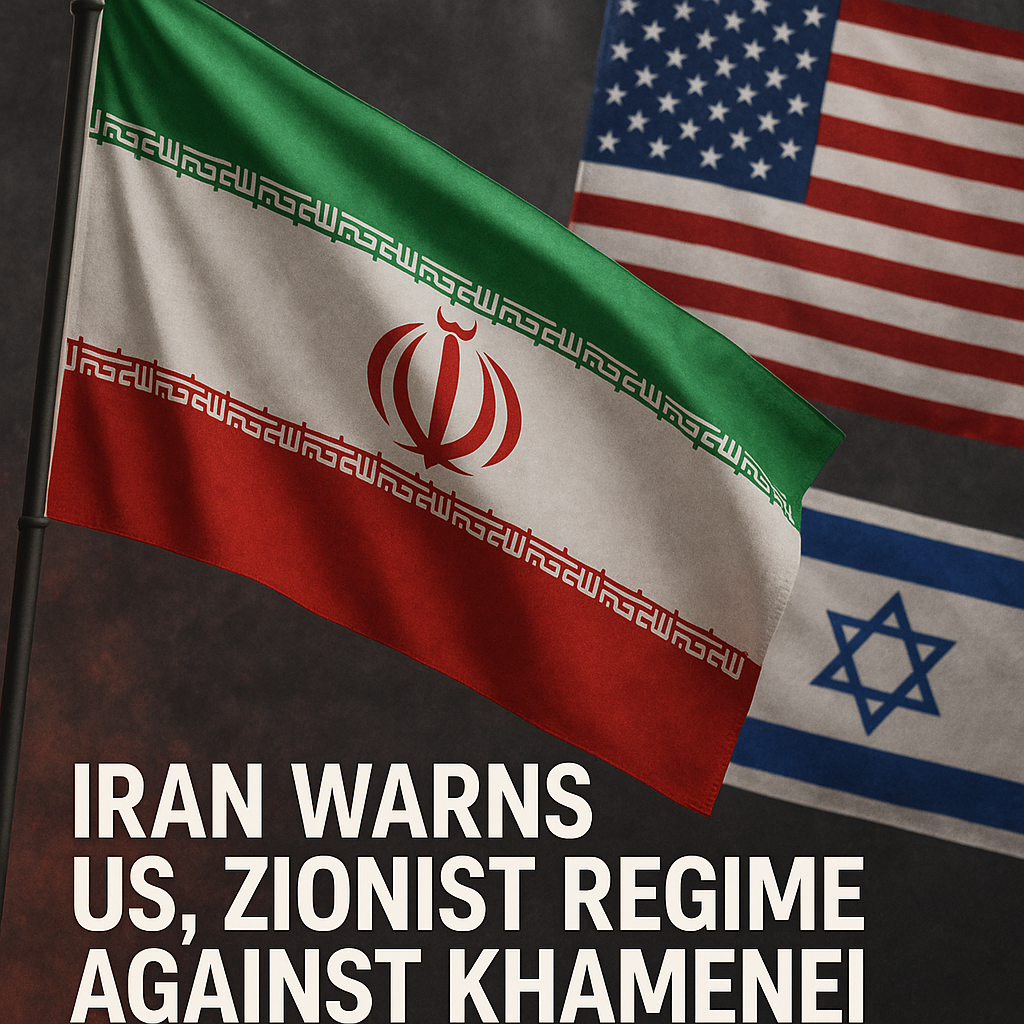
Iran Warns US, Zionist Regime Against Khamenei Funeral Threats
Iran Warns US and Zionist Regime: A Tipping Point in Regional Tensions
In recent days, Iran has issued stern warnings to both the United States and Israel regarding the perceived threats surrounding the eventual funeral of Ayatollah Ali Khamenei, the country’s Supreme Leader. This development underscores the complex geopolitical dynamics in the region and highlights the fragile nature of international relations involving Iran.

Context of the Warnings
The backdrop for these warnings stems from ongoing tensions between Iran and both the US and Israel. Iran’s Foreign Ministry warned that any negative actions or rhetoric regarding Khamenei’s funeral could have serious repercussions. This is not merely a matter of protocol but a deeply emotional issue tied to national identity and political stability in Iran.

Reports from RT suggest that Iranian officials perceive any threats to Khamenei—a pivotal figure in the Iranian establishment—as existential. These fears are exacerbated by rhetoric from various officials, specifically those in Israel and the US, about potential future military actions against Iran. The Iranian government argues that such threats undermine regional peace and stability and could provoke a larger conflict.

Conversely, some analysts view Iran’s responses as part of a broader strategy to fortify its domestic standing. By invoking strong nationalist sentiment, the Iranian leadership seeks to unite its populace against perceived external aggressors. This sentiment resonates with many Iranians who have faced economic hardships exacerbated by sanctions and ongoing diplomatic isolation.
The Geopolitical Landscape
The implications of these warnings extend beyond Iran’s borders. Regional dynamics are increasingly influenced by the relationship between Iran, Israel, and the US. The Islamic Republic has consistently framed its interactions with the US and Israel as those of a besieged state, striving to protect its sovereignty.
Al Jazeera provides insights into the broader geopolitical landscape, detailing how Israel’s ongoing military posturing and US support can be perceived as a direct threat to Iran. Reports indicate that this situation has led to a rise in regional tensions, with both sides on high alert. Israeli officials have stressed their commitment to neutralizing any threats coming from Iran, particularly regarding its nuclear program.
Yet, while Israel and the US maintain a hardline stance, some international observers argue for a measured approach. They suggest that diplomacy could lead to de-escalation rather than increased aggression, positing that engagement could serve to ease hostilities.
Diverging Perspectives
The varying perspectives highlight a fundamental divide in approaches to Iran’s geopolitical ambitions. Some argue that Iran must be confronted to prevent nuclear proliferation and destabilizing regional actions. This viewpoint has garnered support from various factions within the US government and among certain international allies.
On the opposite end, there are advocates for dialogue who contend that isolating Iran will only exacerbate tensions and drive it further into a corner politically and militarily. As seen in historical contexts, isolating nations can often lead to unforeseen consequences, escalating conflicts rather than alleviating them.
Conclusion: Navigating the Tensions
As Iran issues its warnings regarding the threats surrounding Khamenei’s funeral, it reinforces the broader narrative of conflict and anxiety dominating Middle Eastern politics. Both sides must weigh the potential consequences of their actions and rhetoric.
The volatile mix of nationalism, political survival, and geopolitics presents a complicated scenario for all involved. While some call for confrontation, others see dialogue as a pathway to peace. The question remains: will these tensions lead to an escalation or can they serve as a catalyst for reformative dialogue? The answer may lie in the actions taken by both sides in the days leading to and following Khamenei’s eventual funeral, a moment that could either escalate hostilities or pave the way for a new phase of negotiations in a historically fraught region.















