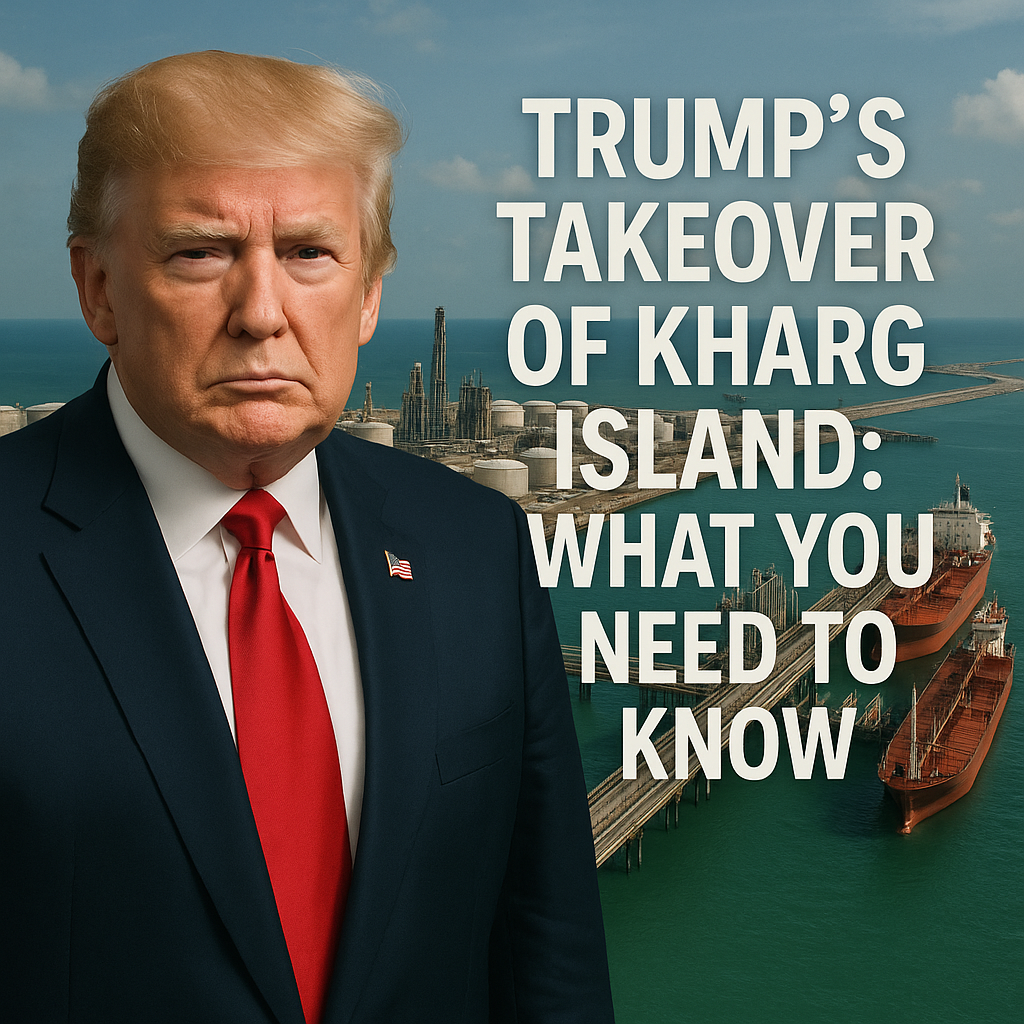
Trump’s Takeover of Kharg Island: What You Need to Know
Trump’s Takeover of Kharg Island: What You Need to Know
In recent weeks, news surrounding the potential U.S. takeover of Kharg Island has stirred considerable debate among analysts and commentators. The development reflects broader geopolitical tensions, especially with ongoing criticisms of U.S. foreign policy in the Middle East.

The Context of Kharg Island
Kharg Island, located in the Persian Gulf, has significant strategic importance due to its role as an oil export terminal for Iran. It serves as a vital logistical hub, especially for the National Iranian Oil Company. Given its financial and resource implications, any discussions surrounding U.S. intervention or control raise alarms about potential escalations in regional conflicts and international relations.

Reports indicate that former President Donald Trump has signaled a possible U.S. takeover of the island. He argues that controlling such a strategically vital point would enhance American interests and provide leverage in negotiations with Iran. This perspective aligns with Trump’s often confrontational approach towards Tehran, which has been characterized by sanctions and militaristic rhetoric.

Both supporters and detractors of Trump’s proposition have emerged, leading to a nuanced debate over its implications.
Polarizing Perspectives on the Proposal
On one side, proponents of the takeover argue that it could bolster U.S. energy independence and offer a means to counteract Iran’s influence in the Gulf. According to supporters, securing Kharg Island would limit Iran’s capability to disrupt global oil supplies, acting as a deterrent against further aggressive actions by the Islamic Republic. This view is common among those who prioritize geopolitical domination and energy security.
Conversely, critics raise severe concerns about the logistical challenges and potential consequences of such a move. Experts warn that taking control of a territory without a strong international mandate could lead to increased hostilities, not just with Iran but potentially with other nations in the region that view U.S. actions as imperialistic. Additionally, there are fears that U.S. military presence in such a critical area may spark an unwanted military engagement, thereby compounding existing tensions.
Strategic Considerations
Any analysis of the situation must also consider Iran’s historical context and its response capabilities. Iranian officials have already warned against any U.S. attempts to seize control of Kharg Island, suggesting that such an action would provoke significant retaliation, potentially destabilizing the entire region further.
Furthermore, the dynamics of international alliances come into play. Countries such as China and Russia maintain close ties with Iran and may view American actions as violations of sovereignty, sparking diplomatic repercussions. The U.S. must weigh the risks of alienating these nations against the potential benefits of controlling Kharg Island.
Conclusion
The discussion surrounding Trump’s proposal for a takeover of Kharg Island is layered with complexity and differing opinions. While some advocate for it as a strategic necessity, the potential backlash, including military engagements and international tensions, cannot be neglected. As the situation evolves, it will be crucial for policymakers and strategists to consider not just the immediate advantages of such an action but also its long-term ramifications on both regional stability and global energy markets.