
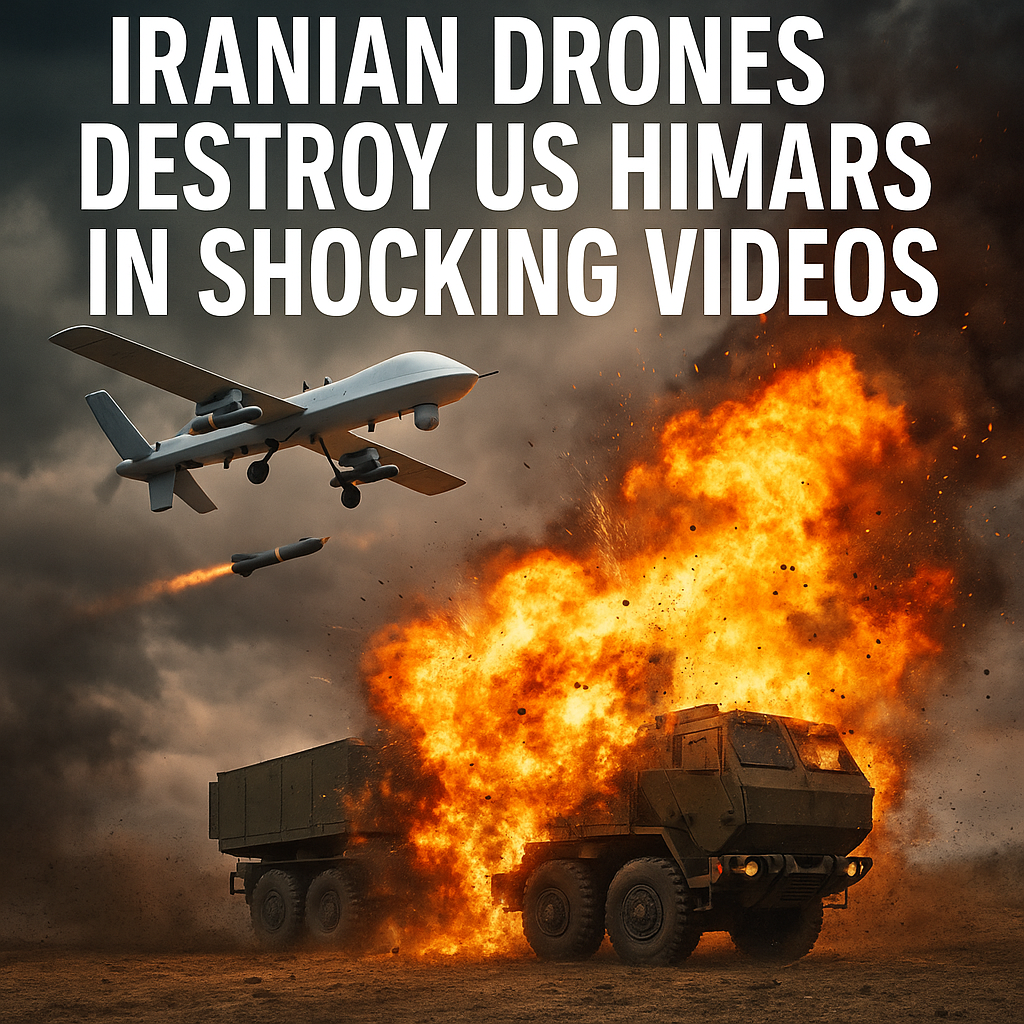
Iranian Drones Destroy US HIMARS in Shocking Videos
The Rising Threat of Iranian Drones: Analyzing the Destruction of US HIMARS
Recent reports have surfaced regarding the efficacy of Iranian drones in destroying U.S. High Mobility Artillery Rocket Systems (HIMARS), highlighting a significant escalation in the dynamics of modern warfare. Footage appearing on various platforms has shocked military analysts and observers alike, raising questions about the implications for U.S. military presence in regions like the Middle East.

The Impact of Drone Warfare
Drones have revolutionized warfare, allowing nations to engage in combat without risking pilots’ lives. Iran, in particular, has invested heavily in its drone program, establishing itself as a formidable player in this realm. The recent destruction of U.S. HIMARS systems, specifically reported to have taken place in Kuwait, is emblematic of the shifting balance of power in air and ground combat.

Military Analysts Weigh In

Military experts suggest that these advances in drone technology can significantly alter the battlefield. According to a report from RT, Iranian military officials are claiming that these drone strikes not only showcase their technological capabilities but also serve as a warning to adversaries. This claim is echoed in various reports that underline the challenges faced by U.S. forces who previously assumed dominance in aerial capabilities.
However, this perspective is not universally accepted. Analysts from outlets such as Al Jazeera stress the need for caution when interpreting such incidents. They point out that while drone attacks can be damaging, the U.S. military remains equipped with advanced counter-drone technology that could mitigate future threats. The complexity of evaluating the effectiveness of Iranian drones requires a nuanced understanding that considers both sides.
Technological Sophistication vs. Tactical Limitations
Despite the impressive visuals of drone strikes destroying HIMARS, the context of the attacks is critical. Some military strategists caution against overestimating the effectiveness of these drones without understanding their limitations. Reports from Sky News highlight that while Iranian drones can effectively target stationary systems, their success heavily relies on the element of surprise and favorable conditions.
Uncertainties and Strategic Implications
Although the dramatic footage has garnered widespread attention, some analysts are hesitant to declare a shift in military dominance unequivocally. The U.S. Army is known for its resilience and adaptability. The potential for rapid technological advancements in countermeasures, intelligence, and battlefield tactics means that claims of Iranian drone supremacy might be premature.
Moreover, the broader geopolitical implications of such drone warfare are profound. Should these attacks escalate or expand beyond isolated incidents, they could fundamentally alter U.S. engagement strategies in the region. The ongoing narrative suggests a pivot in military focus toward drone countermeasures and enhanced defense systems, aligning with the evolving threats posed by adversarial states.
Conclusion: An Evolving Battlefield
The destruction of U.S. HIMARS by Iranian drones is a notable event that underscores the shifting landscape of modern military engagement. While Iranian drones have demonstrated their capability to challenge established norms, U.S. military superiority cannot be dismissed outright. The interplay between these two forces reflects the complex nature of current geopolitical crises, where technology and strategy continually evolve in response to emerging threats.
As military analysts continue to dissect these developments, one thing remains clear: the future of warfare will increasingly rely on drones and advanced technologies, necessitating continuous adaptation by all involved parties. Both U.S. and Iranian authorities have much to consider moving forward as they navigate this dynamic and often unpredictable battlefield.















