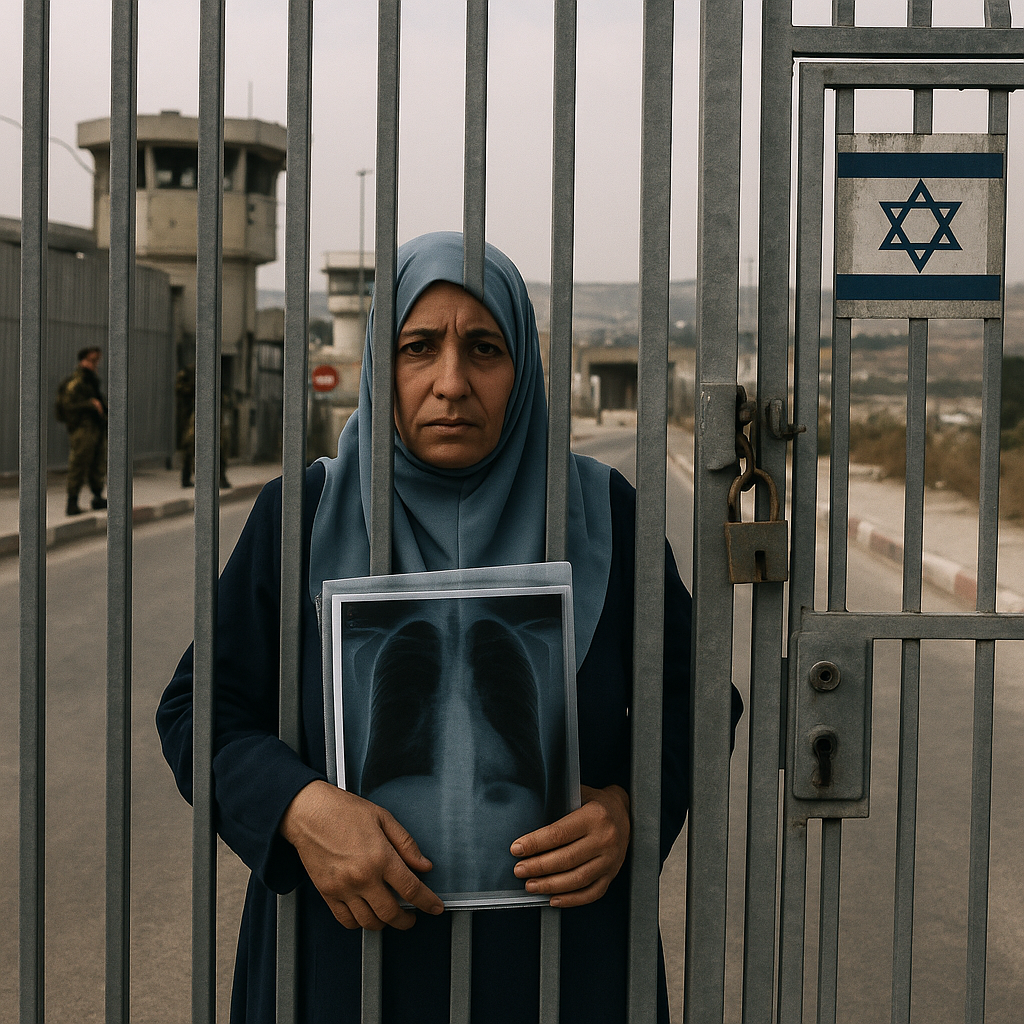
Israeli Closures Trap West Bank Patients Without Freedom
Israeli Closures Trap West Bank Patients Without Freedom
The ongoing Israeli closures in the West Bank have become an enduring humanitarian concern, severely impacting the lives of those requiring urgent medical assistance. These restrictions, while positioned by Israeli authorities as necessary security measures, have led to alarming situations for many patients who find themselves unable to access critical care.

The Human Cost of Closures
Patients in the West Bank face an increased risk to their health as movement restrictions hinder their ability to reach hospitals and clinics. Al Jazeera reports that a significant number of individuals have been trapped, unable to leave their homes for treatment, with some even succumbing to their ailments because they could not get timely medical care. The complexities of permitting patients to cross checkpoints often lead to delays, with approvals taking hours or even days.

Different Perspectives on Security Measures
While Israeli officials argue that these closures are essential for national security, many Palestinian voices and international observers highlight the humanitarian toll. CNN’s reports echo the sentiments from various activist organizations that advocate for easing restrictions to ensure healthcare access. In a 2022 report, a family recounted the harrowing experience of watching a loved one struggle with a preventable illness due to delayed medical transport across military checkpoints.

The balancing act between security and humanitarian needs is a contentious issue. Israeli Defense Forces maintain that the closures are aimed at preventing violence, yet critics argue that innocent civilians are often caught in the crossfire of these policies. Furthermore, humanitarian organizations assert that the restrictions create an environment where distress signals from hospitals, signaling urgent needs, are often ignored.
The Challenge of Accessing Healthcare
The barriers to medical treatment go beyond mere physical distances. Obtaining necessary permits often presents a convoluted and bureaucratic challenge. Patients report long waits and inconsistent criteria for approval, with many expressing frustration over the unpredictability of crossing into Israel for medical treatment. As a result, patients frequently resort to alternative, sometimes dangerous methods of travel, risking their health even further.
Moreover, families bear the brunt of these closures. When a member requires medical attention, relatives must often navigate lengthy approval processes to accompany them. Al Jazeera highlights instances where families have arrived at checkpoints only to be turned back, forcing them to watch helplessly as their loved ones remain in pain or risk worsening conditions.
An Uncertain Future
The future of access to healthcare for West Bank patients remains uncertain amid the ongoing geopolitical tensions. While some international advocates are calling for immediate interventions to ease these closures, Israeli authorities maintain that security is paramount. This dichotomy raises questions about the potential for compromise and the urgency of humanitarian relief efforts.
As both sides grapple with their positions, patients remain caught in the middle, facing life-altering decisions about their health without the freedom to seek care. The interplay of security measures and humanitarian needs must be addressed with urgency, balancing the need for safety with the critical requirement of health accessibility.
The plight of West Bank patients symbolizes a broader struggle for fundamental human rights. Achieving a stable resolution will require concerted efforts from both local and international stakeholders. As conversations continue, the hope persists for a system wherein health and safety can coexist, allowing patients to receive the care they desperately need.