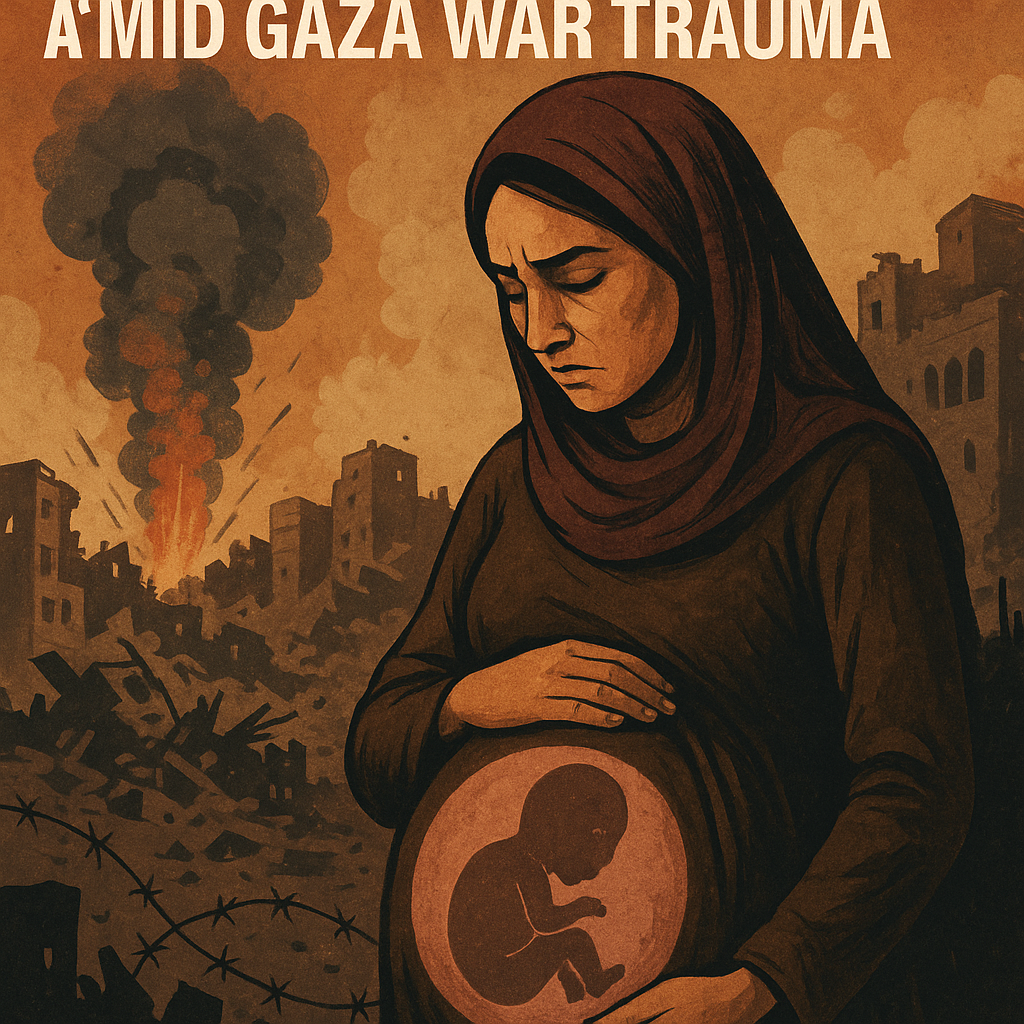
Miscarriages Rise Amid Gaza War Trauma
Miscarriages Rise Amid Gaza War Trauma
The ongoing conflict in Gaza has not only led to physical destruction but also deeply affected the mental health and well-being of its population, manifesting in an alarming increase in miscarriages. A multifaceted crisis is unfolding where trauma interplays with health, raising significant concerns among healthcare providers and humanitarian organizations.

The Context of Increased Miscarriages
In regions like Gaza, where the socio-political landscape is marred by ongoing violence and instability, psychological stress becomes intertwined with physical health outcomes. According to reports, many women are experiencing miscarriages during this period of intense trauma, with healthcare professionals noting that extreme stress and anxiety are prevalent among expectant mothers. Al Jazeera highlighted testimonies from women who have lost pregnancies amid the chaos, emphasizing that their experiences are deeply intertwined with the violence and fear permeating their daily lives.

Healthcare experts attribute this rise to several factors, including a lack of access to medical care, increased exposure to trauma, and prevailing mental health issues that are often neglected in conflict zones. A report mentions, “The emotional burden of living under constant threat cannot be understated, as it contributes to a physiological response that can jeopardize pregnancy.”

Moreover, the loss of stability in everyday life—food insecurity, destruction of health facilities, and disruption of social structures—compounds the emotional toll on women facing pregnancy.
Psychological and Physical Toll
The psychological impacts of war on women’s reproductive health are not new, but the current situation in Gaza exemplifies a broader humanitarian crisis. In an environment where bombings and invasions are frequent, many women report elevated levels of anxiety and depression, which are significant risk factors for miscarriage. Interviews conducted with healthcare workers reveal a troubling reality: they witness an increase in cases of stillbirth and miscarriage directly tied to the emotional and psychological stress of war.
A healthcare worker from a local clinic noted, “It’s heartbreaking to see these brave women come in, only to deal with the aftermath of their trauma. We try to support them, but resources are incredibly limited.” Statistics reflected in various reports indicate that the number of women experiencing miscarriages has risen sharply, pointing to the urgent need for focused interventions.
On the other hand, some international observers caution against solely attributing the rise in miscarriages to trauma, emphasizing the importance of broader socio-economic factors at play in the region. They cite inadequate healthcare systems, lack of proper maternal care, and communicable diseases exacerbated by war as contributing to the adverse pregnancy outcomes.
Urgent Call for Support and Resources
In light of these distressing findings, urgent action and resources are necessary to address both mental health and maternal care in Gaza. Non-governmental organizations and international agencies are being called upon to intervene, providing psychological support and medical resources to expecting mothers. There are growing calls to prioritize funding for mental health services, as well as effective prenatal care, in conflict zones.
Efforts are underway to provide safe spaces for women to express their concerns and grief, highlighting the crucial role that community support plays in healing. Initiatives focused on trauma-informed care are being discussed as essential ways to address the multifaceted impacts of war on pregnant women.
However, the complexities surrounding healthcare access in Gaza complicate these efforts. Infrastructure chaos, restricted movement, and shortages of medical supplies hinder immediate support, leaving many women vulnerable. As captured in a recent analysis, “Without a paradigm shift in how humanitarian aid is delivered, many women will continue to face these tragic losses.”
Conclusion
The rise of miscarriages amid Gaza’s ongoing war trauma serves as a poignant reminder of the war’s far-reaching effects on individuals’ health and well-being. As the international community grapples with the consequences of this tragic conflict, the inclusion of mental health and maternal care in humanitarian responses becomes increasingly critical. A balanced approach must recognize the intertwined nature of psychological trauma and physical health, ensuring that vulnerable populations receive the comprehensive support they desperately need in these dire circumstances.