BRICS Faces Iran Challenge: Is Alliances at Stake?
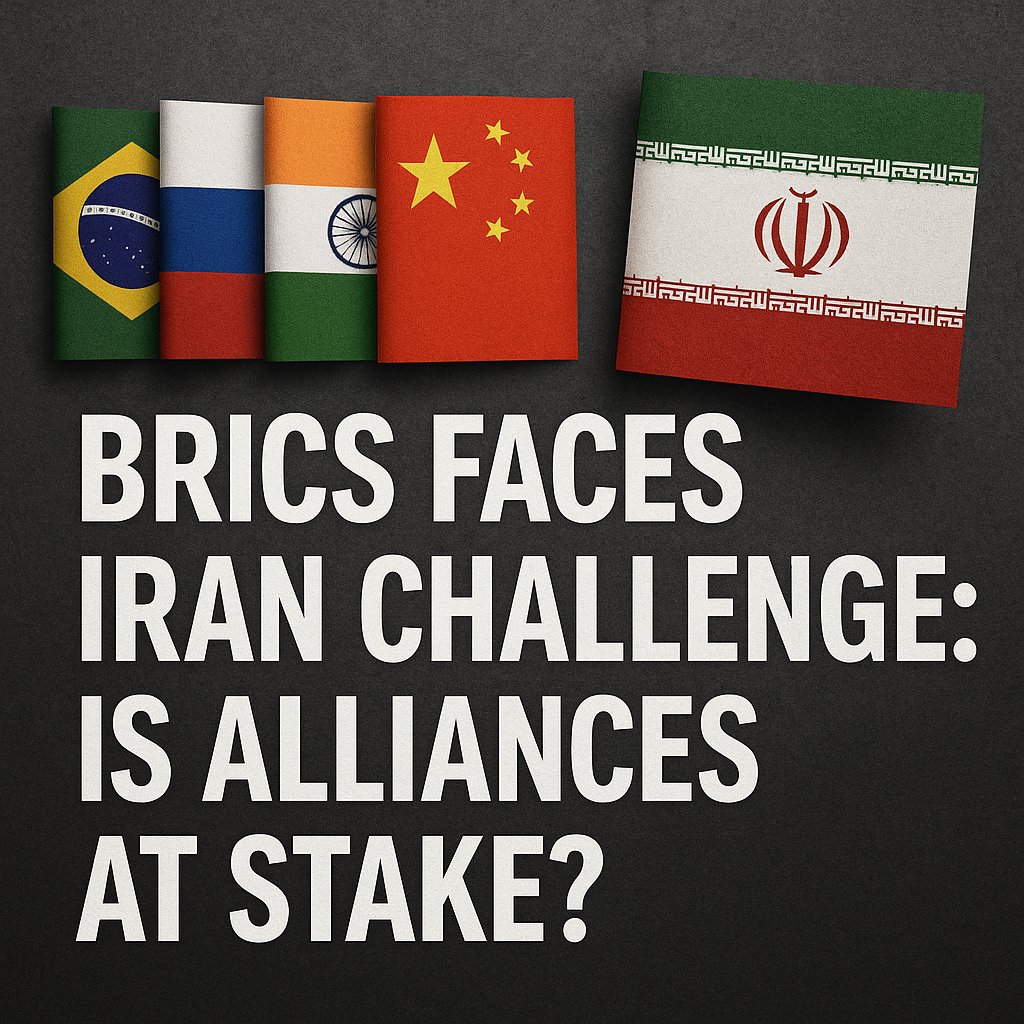
BRICS Faces Iran Challenge: Is Alliances at Stake?
As the BRICS coalition evolves, the complex relationship with Iran presents both opportunities and challenges that could influence the future cohesion of the alliance. Countries within BRICS—Brazil, Russia, India, China, and South Africa—must navigate a delicate balance as they consider Iran’s potential role in the bloc amid broader geopolitical tensions.

The Iran Factor in BRICS
The BRICS formation often emphasizes collective economic growth and a multipolar world, but Iran’s desire to join the coalition has surfaced as a contentious issue. With Tehran’s long-standing disputes with Western nations and its ongoing nuclear program, incorporating Iran could complicate the political landscape for BRICS.

Recent discussions among BRICS member states indicate interest in expanding the group to include Iran, viewing this as a strategic move to shift global power dynamics. Al Jazeera highlights that expanding BRICS aims to counter the influence of the West, particularly the United States. This expansion resonates with countries like China, eager to bolster alliances that challenge Western hegemony.

However, skepticism remains. Countries like India may view Iran’s accession as a potential risk that could strain relationships with the United States, which has consistently sought to isolate Tehran through sanctions. As noted by the Sky News RSS feed, India is cautious in balancing its ties with established allies while also considering the strategic merits of a stronger BRICS bloc inclusive of Iran.
Divergent Views on Inclusion
The discussion surrounding Iran’s inclusion in BRICS showcases contrasting views among existing members. On one hand, Russia and China appear supportive of Tehran’s membership, seeing it as a pathway to enhance economic cooperation and solidify their opposition to Western dominance. The RT news outlet reflects that Moscow and Beijing view Tehran as a crucial ally in their broader regional ambitions, providing significant military and economic collaboration opportunities.
Conversely, nations like India and Brazil express reservations. India’s extensive trade relations with the US potentially constrain its willingness to fully embrace an Iranian partnership. This dilemma reiterates India’s historical position of non-alignment while navigating a world swiftly gravitating towards geopolitical divisions. Brazil, focusing on regional stability and economic growth, shares similar worries about the backlash from a Western response to expanding ties with Iran.
Economic Opportunities vs. Political Risks
In an evolving global economy, the BRICS coalition sees immense potential in strengthening ties with Iran, particularly regarding energy resources. Iran’s wealth of oil and gas, alongside its strategic location, could offer BRICS members essential energy supplies crucial for long-term sustainable growth. However, this potential opportunity must be weighed against the political fallout that might arise.
If BRICS fully integrates Iran, Western nations are likely to respond with economic sanctions or diplomatic isolation efforts, potentially jeopardizing the benefits member nations could reap. Reports indicate that Iran’s inclusion could deepen divisions globally, especially as Western nations ramp up their diplomatic pressure against the Islamic Republic.
The division of opinions within BRICS on how to proceed with Iran is further complicated by varying economic conditions and political aspirations among its members. The bloc must consider whether the potential economic benefits of incorporating Iran outweigh the risks involved—both politically and economically.
Conclusion: A Fork in the Road
With the consideration of Iran’s membership in BRICS, member countries stand at a crossroads that could redefine their alliances and strategies in the global arena. Navigating this complex situation may require reassessments of both diplomatic relations and economic cooperation strategies within the bloc.
In conclusion, while the expansion of BRICS to include Iran represents a compelling opportunity for strengthening ties against the backdrop of a destabilizing international order, it simultaneously poses significant challenges. Discord among member states regarding Iran’s inclusion could weaken the coalition’s unity and effectiveness. As these discussions continue, it will be vital for BRICS to maintain a balanced approach, weighing the merits of inclusion against the potential ramifications of upsetting established international relationships.