How AI Is Quietly Transforming Restaurants From the Kitchen to the Customer
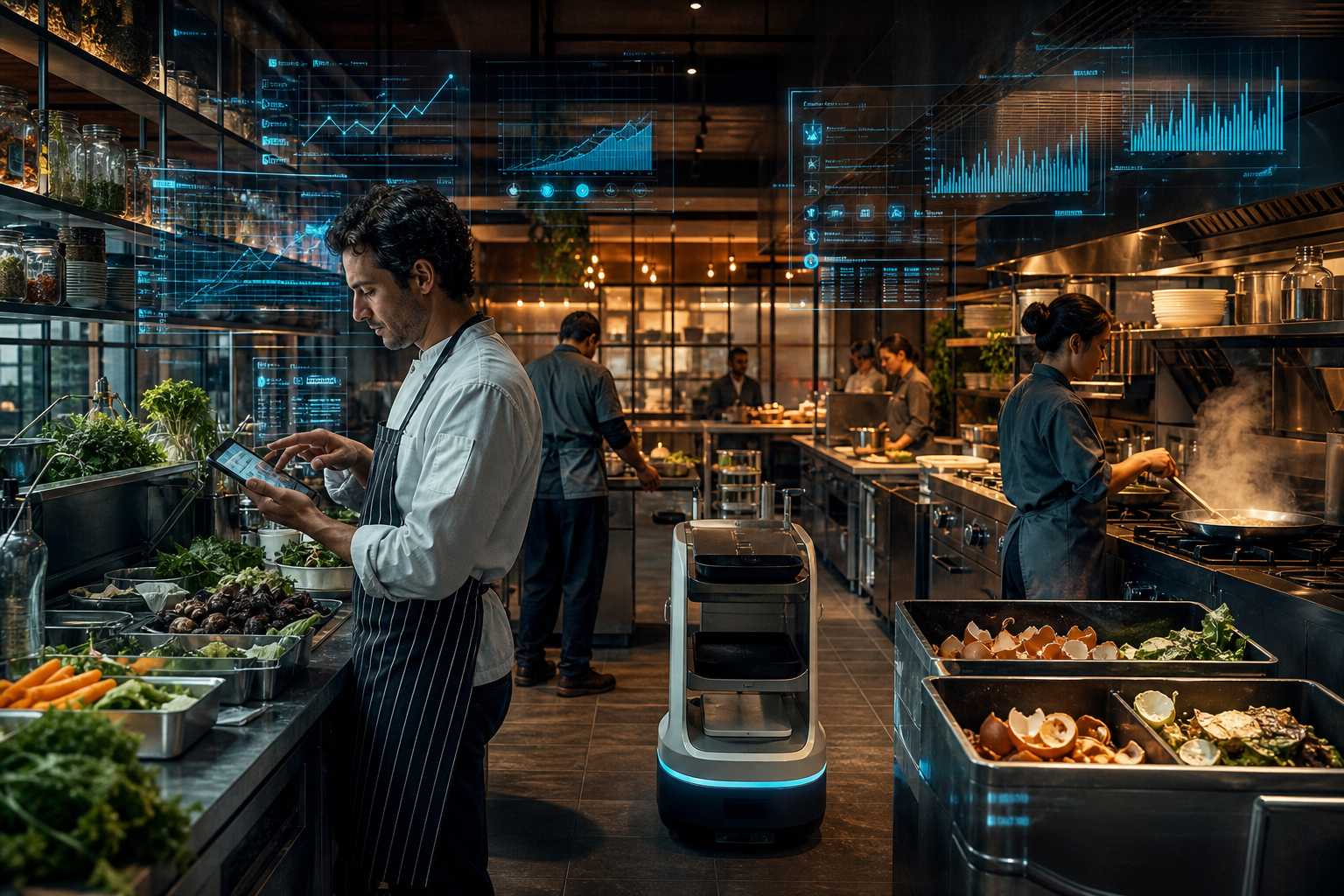
Artificial intelligence is increasingly used behind the scenes in restaurants to forecast demand, manage inventory, reduce food waste, process orders and coordinate scheduling and delivery. Some operators are also combining AI software with automation and robotics across multiple locations.
These tools can improve efficiency and provide useful operational insights, but restaurants must address accuracy, privacy and employee involvement. AI is presented primarily as a way to support staff and improve decisions rather than replace human service.
Artificial intelligence is becoming part of restaurant operations in ways that many customers may never notice. Instead of being limited to chatbots or promotional content, AI is increasingly being used behind the scenes to help restaurants predict demand, manage inventory, reduce waste and improve daily operations.
One of the most practical applications is demand forecasting. AI systems can analyze previous sales, seasonal patterns, schedules and other operational information to estimate how much food a restaurant may need. This can help managers make more informed decisions about purchasing and preparation rather than relying entirely on manual estimates.
Food waste is another area where AI is gaining attention. New systems can track what kitchens throw away and identify patterns that may otherwise be difficult to see. Research involving restaurants and other hospitality businesses has found that AI-based waste-tracking technology can reduce avoidable food waste when staff use the information to adjust their operations.
AI is also changing how some restaurants handle customer orders. Voice-based systems can receive orders through phones, kiosks and other channels before sending the information directly into restaurant ordering and kitchen systems. This creates a more connected process between the customer and the kitchen.
Large restaurant groups are experimenting with AI across even more areas, including scheduling, inventory management, food safety and delivery logistics. Recent developments in China show how restaurant operators are combining AI software with automation and robotics to improve efficiency across multiple locations.
However, adding AI does not automatically create a better dining experience. Restaurants still need to consider accuracy, customer privacy, employee involvement and the importance of human service. Technology can handle repetitive tasks and identify useful patterns, but food quality and customer relationships remain central to the restaurant business.
The next stage of restaurant technology may therefore be less about replacing people and more about giving them better information. If AI can help kitchens prepare the right amount of food, reduce unnecessary waste and process orders more efficiently, its biggest impact may happen quietly in the background—long before a meal reaches the customer’s table.