Digital twins are virtual representations of physical objects, systems, or processes that use real-world data to monitor conditions, test scenarios, and support decision-making. They combine information from sensors, connected devices, software, simulation tools, and artificial intelligence. Applications include equipment monitoring and design Read More

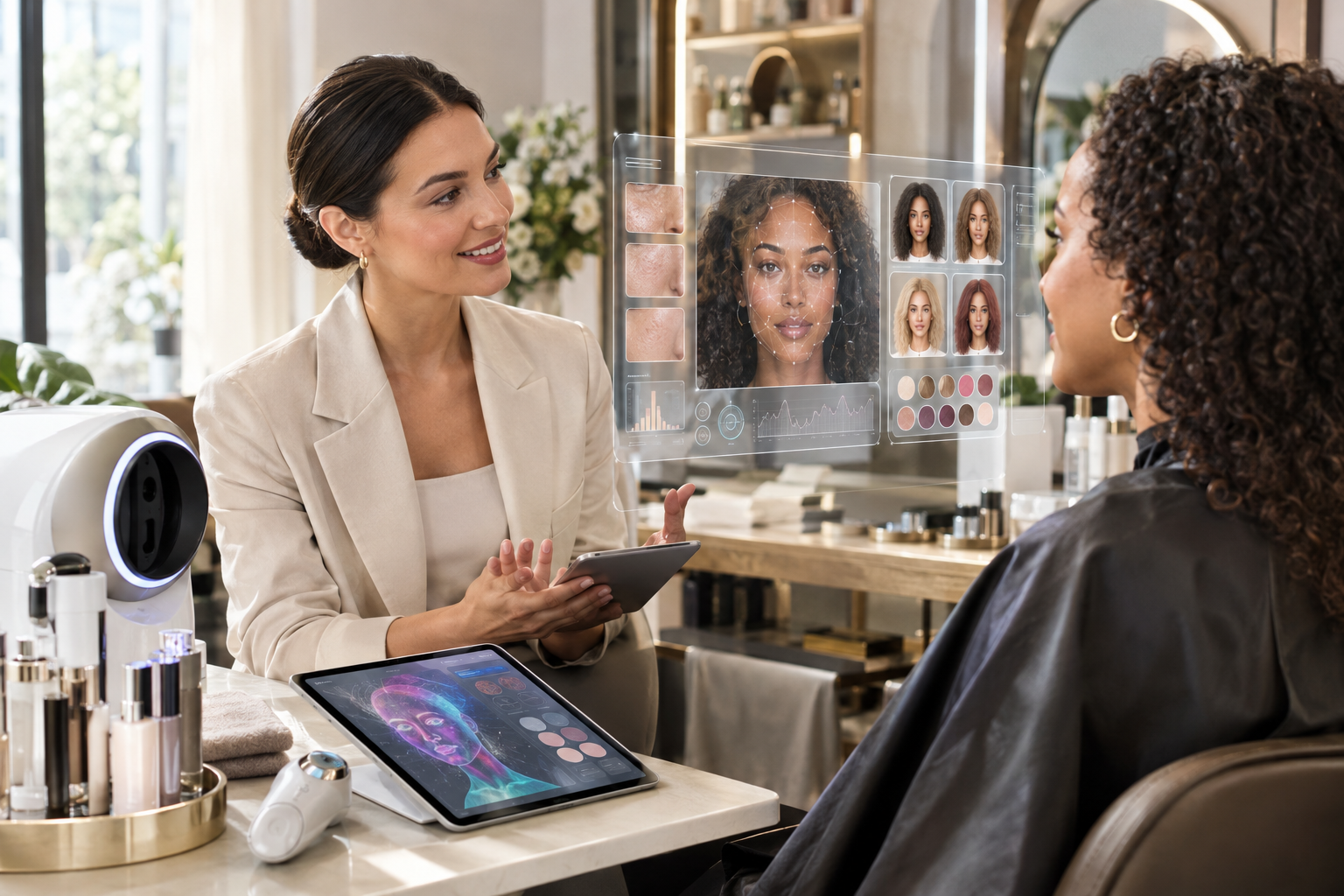
AI is changing beauty care through virtual makeup and hair-color tools, image-based skincare analysis, and salon features such as automated reminders, customer support, content creation, and preference management. These applications can personalize customer experiences and reduce repetitive administrative work. Adoption requires attention Read More
AI agents are software systems that pursue defined goals by analyzing information, selecting tools, and completing multi-step tasks with limited supervision. Businesses use them to support customer service, marketing, reporting, workflow organization, data analysis, and routine administrative work. These systems can reduce Read More
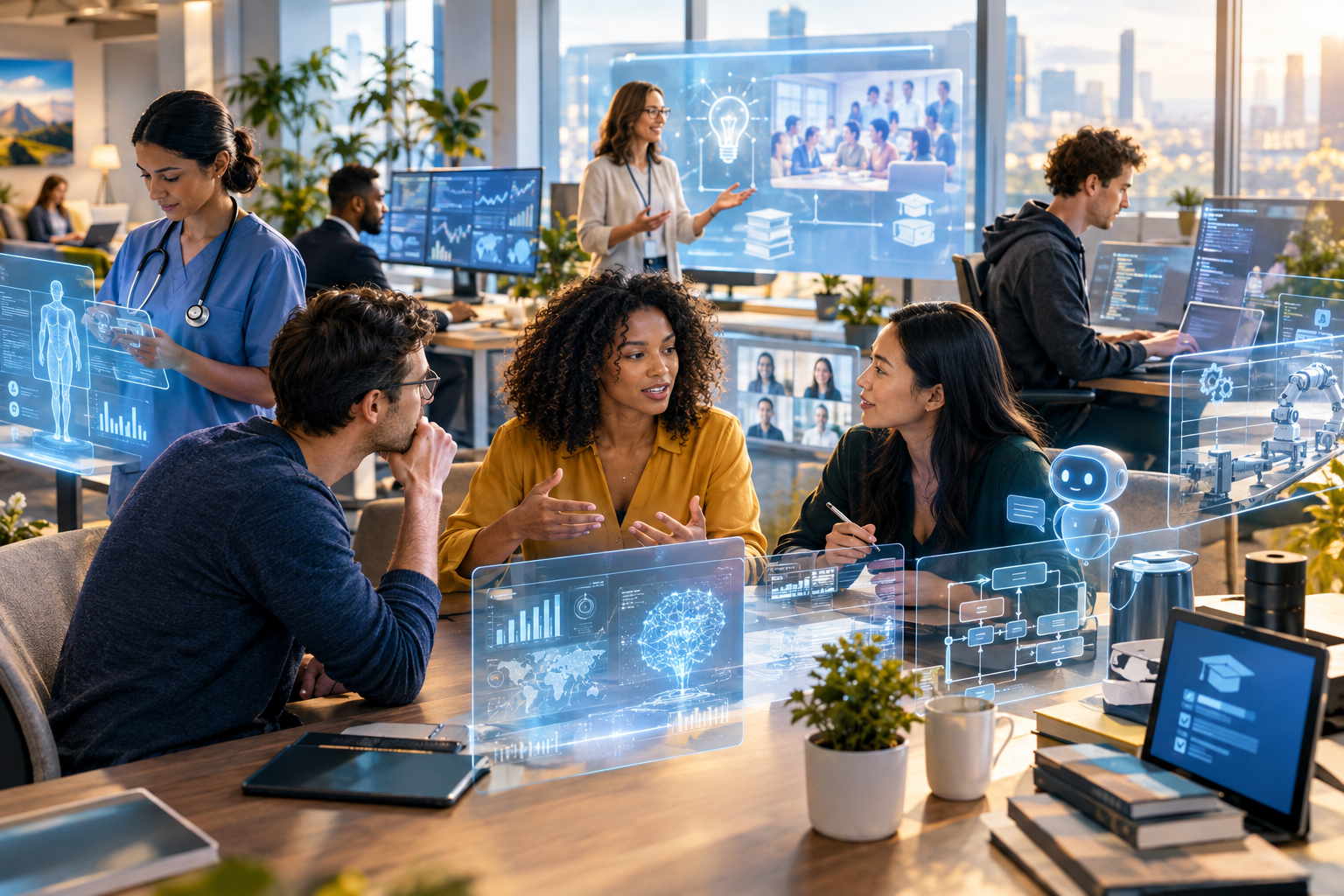
Artificial intelligence is changing workplaces by improving productivity, automating routine tasks, analyzing information, and supporting decision-making across industries such as healthcare, finance, education, marketing, and technology. Its growth is creating demand for skills in AI, data, automation, cybersecurity, and digital tools while Read More
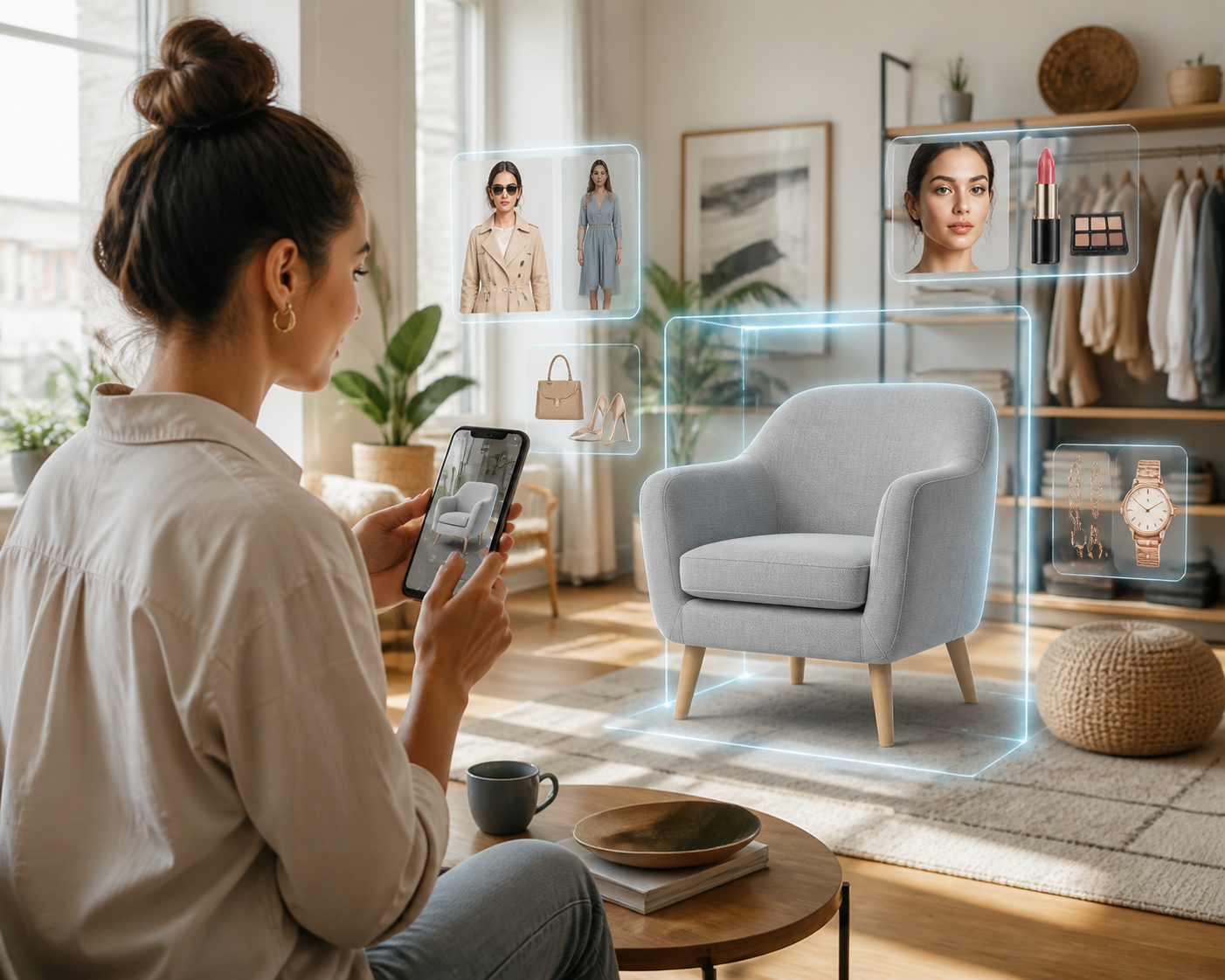
Augmented reality is transforming shopping by letting customers visualize and interact with products before buying. Virtual try-on tools support beauty, fashion, and accessories, while furniture applications show how items may fit in a home. For businesses, AR enables more interactive marketing and Read More
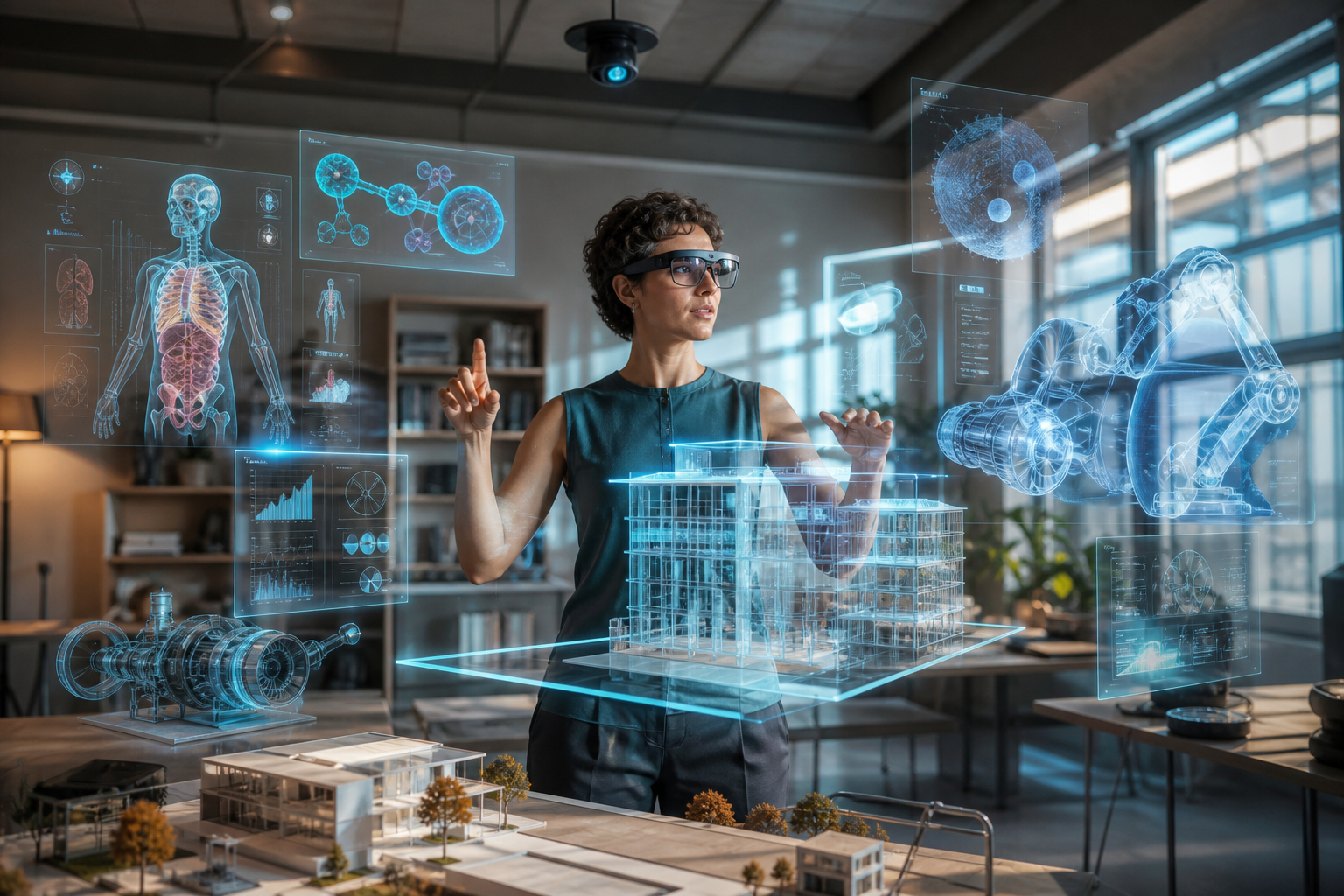
Spatial computing combines physical environments with digital content through augmented, virtual, and mixed reality, sensors, cameras, and artificial intelligence. It enables users to interact with three-dimensional information using gestures, voice commands, and eye movements rather than relying only on traditional screens. Applications Read More
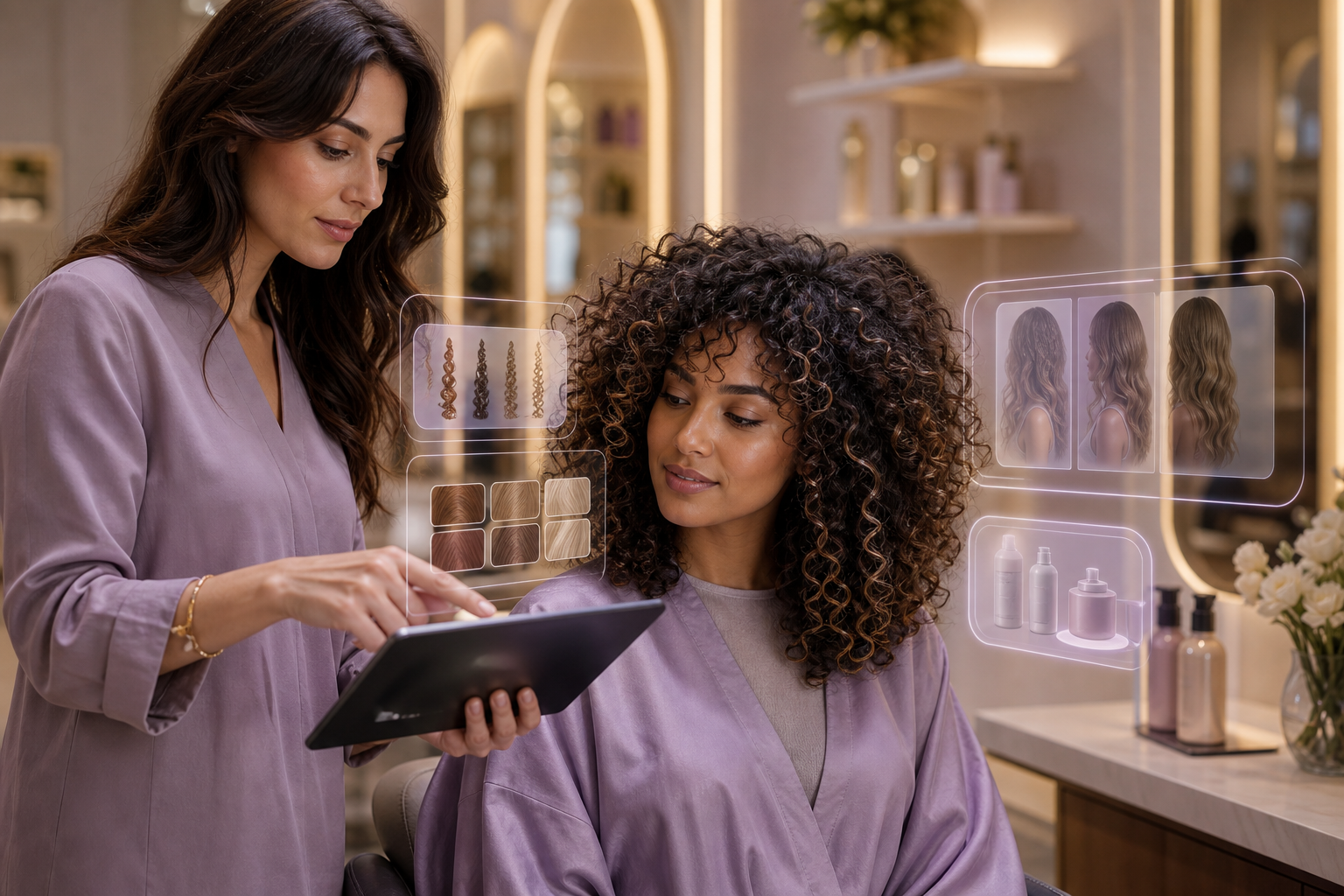
AI-powered tools are making hair care more personalized by analyzing factors such as hair type, texture, and individual preferences. They can recommend products and routines, while virtual hairstyle and color previews help consumers explore options before making changes. Salons and hair professionals Read More
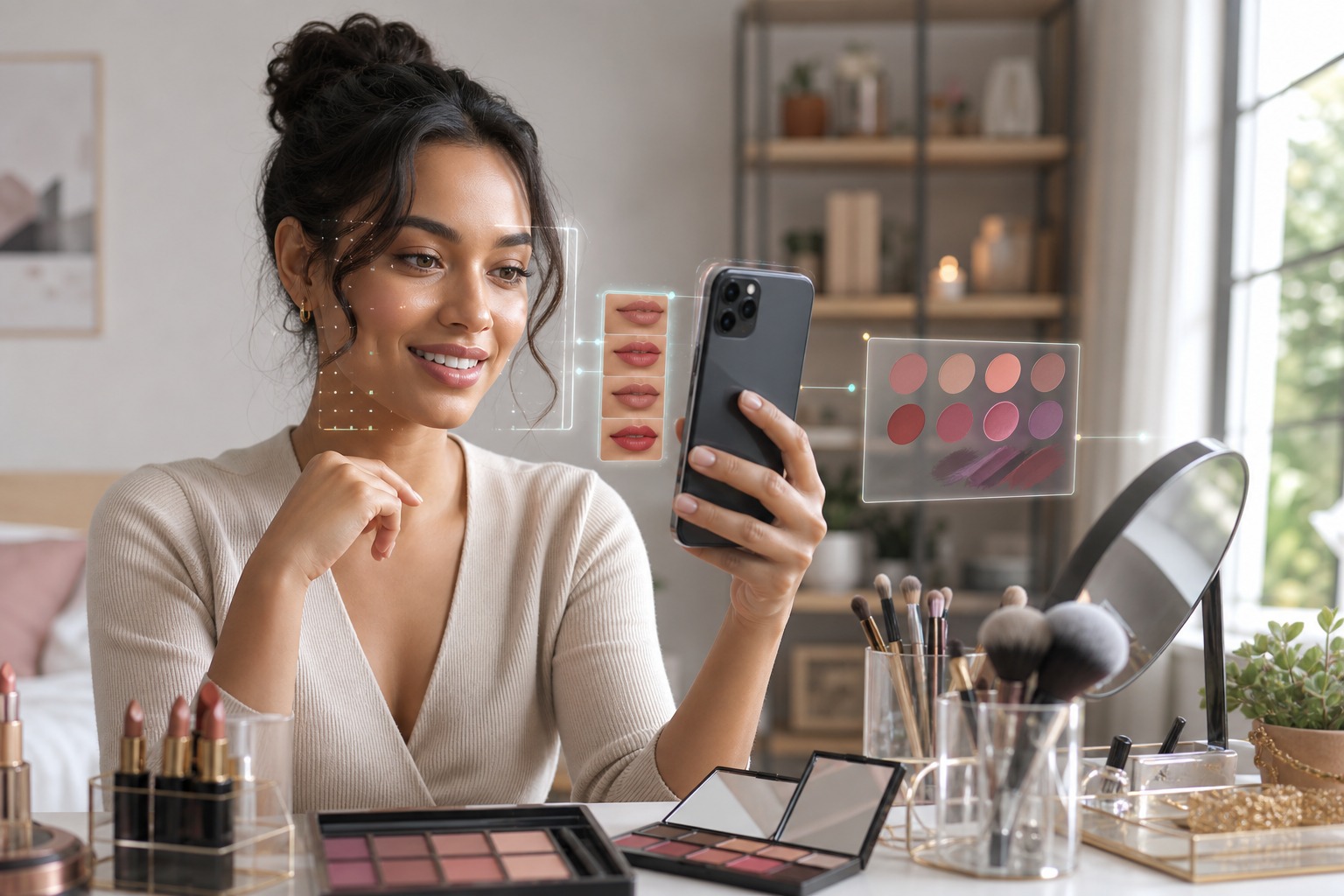
Virtual try-on technology uses artificial intelligence, augmented reality, and facial recognition to let shoppers preview makeup, hairstyles, and other beauty products online. By testing shades and styles through a camera, customers can compare options, discover products, and shop more conveniently from home. Read More
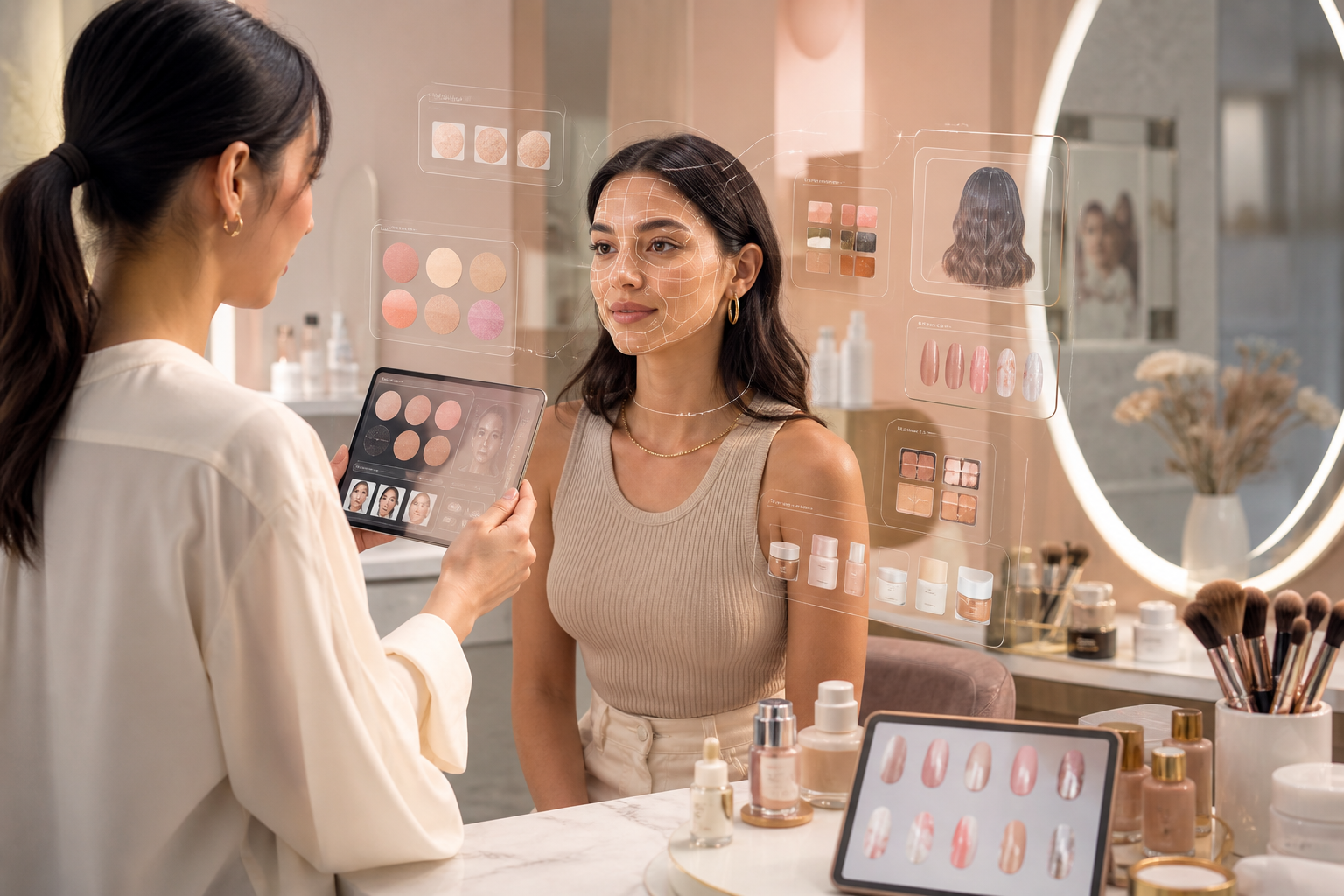
Technology is personalizing beauty care through artificial intelligence, digital skin analysis, and virtual tools for skincare, makeup, hair, and nail services. These technologies help people identify their needs, explore styles, and receive recommendations or customized designs. Beauty professionals and businesses are also Read More
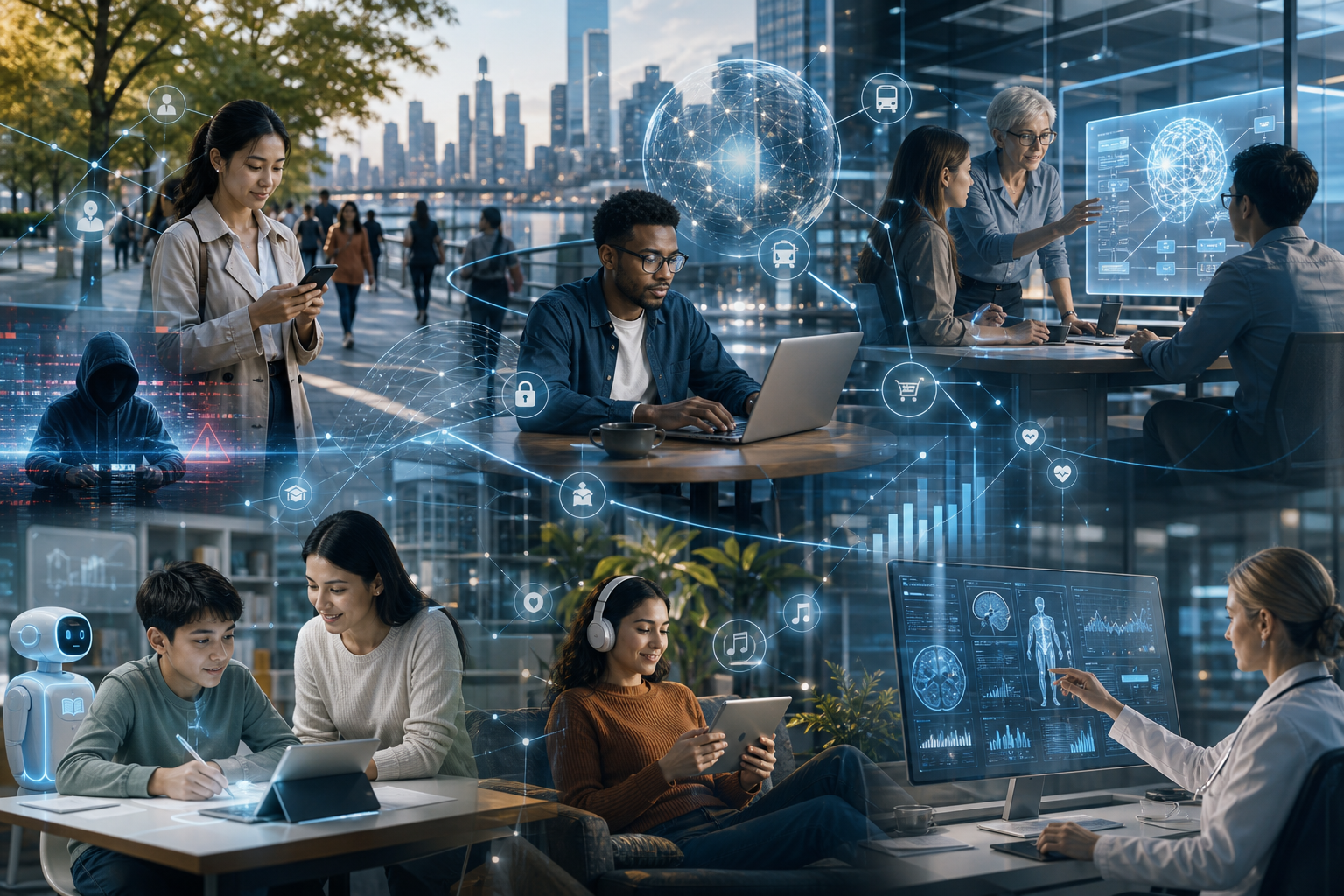
Artificial intelligence is becoming an increasingly important part of everyday life. People now interact with AI through smartphones, search engines, social media, digital assistants, and many other online services. These technologies can help users find information, organize tasks, translate languages, and receive Read More