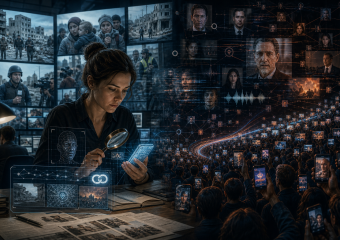
How SNAPAI’s New Tool Is Changing Content Creation: AI-Powered Workflows for Faster Digital Publishing
Discover how SNAPAI’s new tool is transforming content creation with AI-powered workflows, faster publishing, automated content development, and smarter digital media strategies.

Content creation is evolving as artificial intelligence becomes increasingly integrated into digital publishing. From generating initial ideas to organizing information and preparing content for publication, AI-powered tools are helping creators and publishers streamline tasks that once required significant time and manual effort. SNAPAI’s new toolreflects this shift by bringing AI capabilities into the content creation workflow.

What Is Changing in Content Creation?
Traditional content production often involves multiple stages: researching a topic, developing an outline, writing, editing, creating visuals, and preparing content for publication. Each stage can require different tools and considerable time.

AI-powered platforms can bring several of these activities into a more connected workflow. This allows creators to move from an initial idea toward a publishable piece of content more efficiently while still maintaining human oversight.
Faster Content Development
One of the most significant advantages of AI-assisted content creation is speed. AI can help generate ideas, organize information, produce initial drafts, and suggest ways to structure articles for specific audiences.
For publishers managing multiple topics or frequent updates, faster workflows can make it easier to maintain a consistent publishing schedule. However, speed should complement editorial judgment rather than replace it. Human review remains important for accuracy, tone, originality, and context.
Supporting Digital Publishers
AI tools can be particularly useful for digital publishers that need to produce content across multiple formats and platforms. A streamlined workflow can help teams manage articles, social media content, visual assets, and other digital materials more efficiently.
For smaller teams and independent creators, AI can also reduce some of the repetitive work involved in content production. This can allow more time for strategy, creativity, audience engagement, and fact-checking.
AI and Human Creativity
AI does not eliminate the importance of human creativity. Instead, it can function as an assistant throughout the creative process. Writers and editors can use AI-generated ideas as starting points, then add their own expertise, perspective, storytelling, and editorial decisions.
This combination can create a workflow where technology handles certain repetitive tasks while people remain responsible for the final creative and editorial direction.
The Future of Content Creation
As AI technology continues to develop, digital publishing workflows are likely to become increasingly automated and interconnected. Tools such as SNAPAI can contribute to this transformation by helping creators work more efficiently while supporting the growing demand for digital content.
The most effective approach is likely to combine AI-powered efficiency with human expertise, verification, creativity, and responsible publishing. This balance can help publishers produce useful, relevant, and trustworthy content in an increasingly competitive digital environment.