Spatial Computing: Transforming How We Interact With Digital Information
Spatial computing combines physical environments with digital content through augmented, virtual, and mixed reality, sensors, cameras, and artificial intelligence. It enables users to interact with three-dimensional information using gestures, voice commands, and eye movements rather than relying only on traditional screens.
Applications span healthcare, education, manufacturing, retail, and architecture, where immersive environments can support visualization, training, and more responsive experiences. Privacy, security, accessibility, hardware costs, and responsible data management remain important considerations as the technology develops.
Spatial computing is emerging as an important technology that is changing how people interact with digital information. By combining physical environments with digital content, spatial computing allows users to experience information in a more natural and interactive way. Technologies such as augmented reality (AR), virtual reality (VR), mixed reality (MR), sensors, cameras, and artificial intelligence are helping create these experiences.

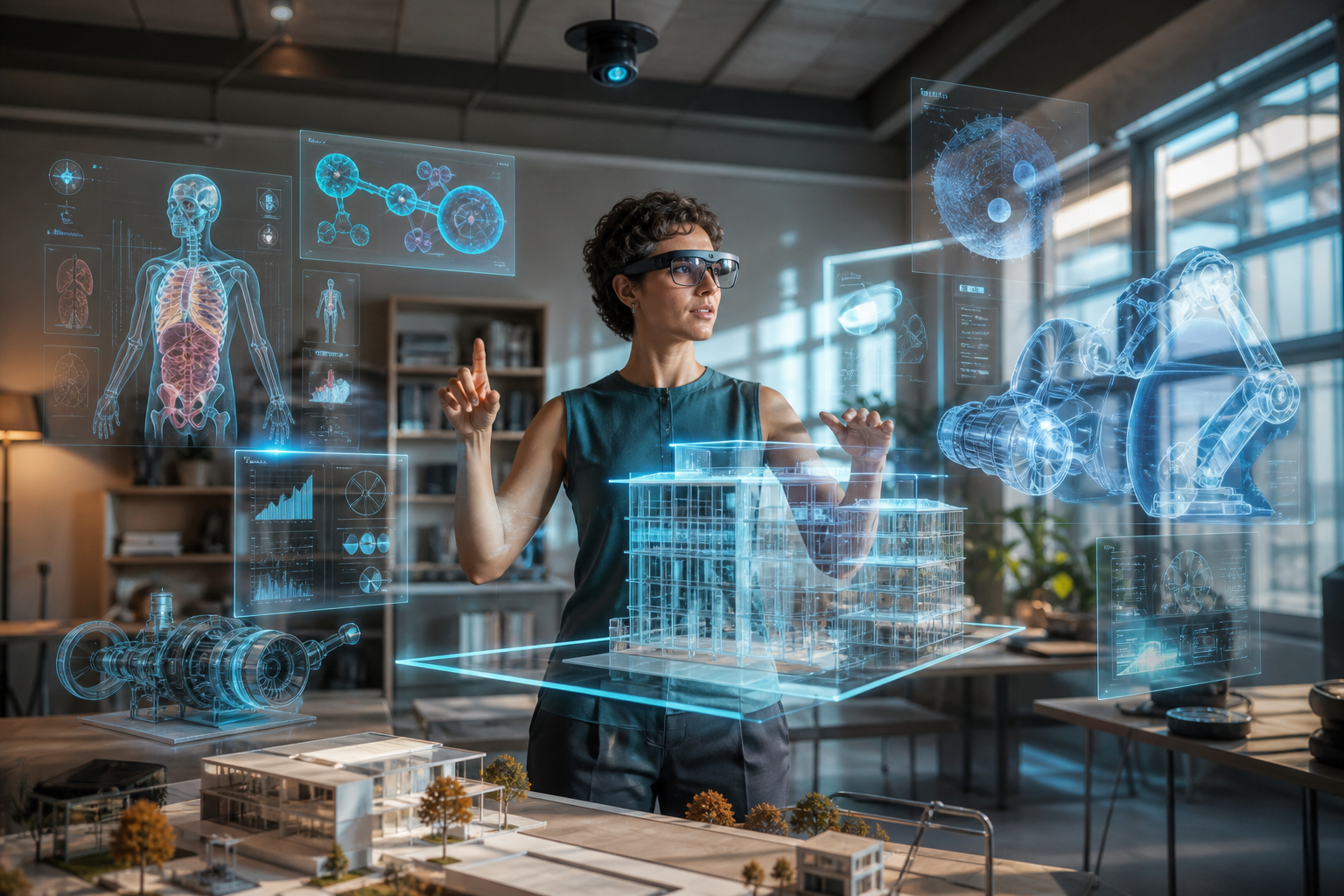
One of the most important features of spatial computing is its ability to place digital objects within the user’s physical environment. Instead of interacting with information only through a traditional computer or smartphone screen, users can interact with three-dimensional digital content using gestures, voice commands, eye movements, and other forms of input. This approach can make digital experiences more immersive and easier to understand.

Businesses are also exploring how spatial computing can improve their operations and customer experiences. In industries such as healthcare, education, manufacturing, retail, and architecture, three-dimensional environments can help professionals visualize complex information and practice tasks in interactive settings. For example, engineers can examine digital models of products, while students can explore educational concepts through immersive environments.

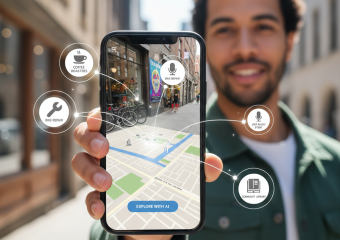
Artificial intelligence is adding another layer of capability to spatial computing. AI can help systems understand objects, environments, language, and user behavior, allowing digital experiences to become more responsive. The combination of AI with spatial technologies could support more personalized interactions and help computers understand the context in which people are using them.
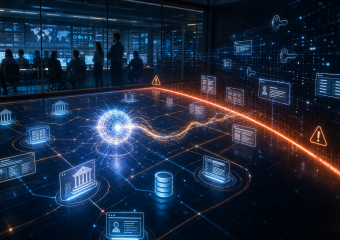
As the technology develops, challenges such as privacy, security, hardware costs, accessibility, and the responsible use of personal data will remain important considerations. Spatial computing requires technologies that can collect and process information about physical environments and user interactions, making responsible data management especially important.
Spatial computing represents a broader shift in the relationship between people and technology. Rather than limiting digital experiences to flat screens, it can bring digital information into physical spaces and create new ways to learn, work, communicate, and interact. As hardware and software continue to develop, spatial computing could become an increasingly important part of the future technology landscape.