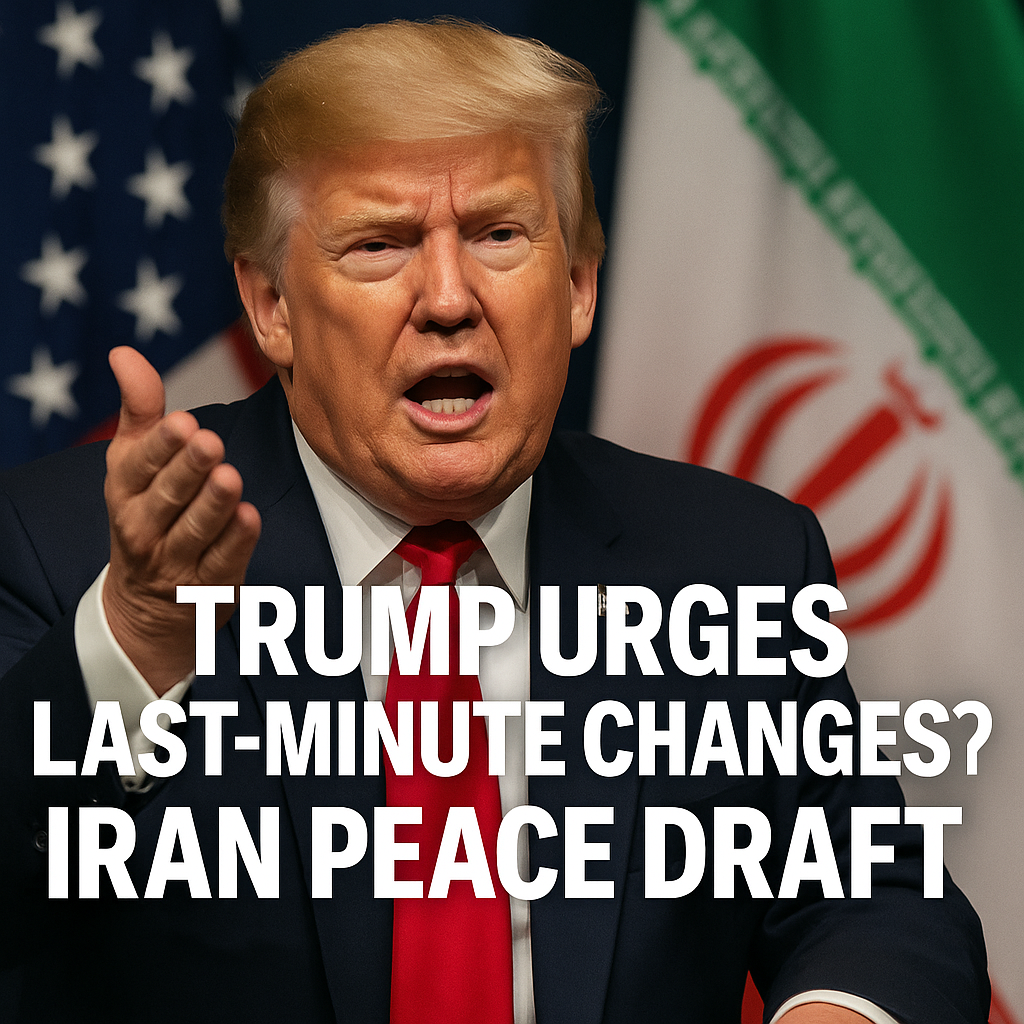
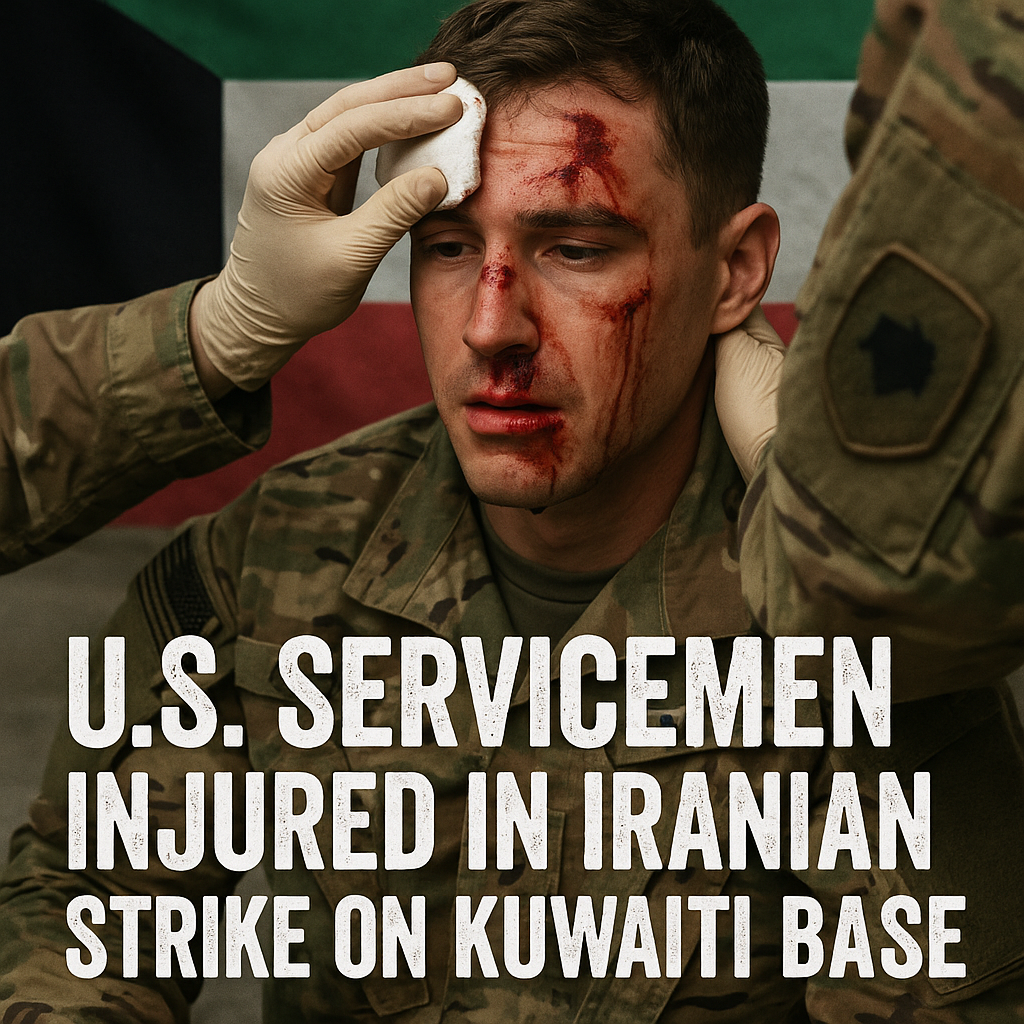
Trumps pivot on Iran talks—with a no more Mr. Nice Guy mantra—signals a bold shift in U.S. diplomacy that could reshape international relations. As tensions rise and the nuclear clock ticks, this new strategy promises to stir up both support and controversy as we head toward 2024.
In a bold move shaking the foundations of Middle Eastern geopolitics, Israel has launched precise strikes on China, Pakistan, and France—nations seen as allies of Iran. This decisive action not only underscores Israels commitment to its security but also raises intriguing questions about the evolving dynamics of international relations in a complex world.
Iran is standing resolute against US pressure, with top negotiators boldly asserting that threats and sanctions won’t shake their commitment to sovereignty. As tensions rise, this defiance not only shapes their future but reverberates across the geopolitical landscape.
In a controversial move, the U.S. has renewed its waiver allowing the import of Russian oil, igniting fierce debates about the balance between energy stability and the effectiveness of sanctions. As winter looms, this decision raises critical questions about Americas energy future and its geopolitical stance.
Unlock the key to understanding the complex landscape of the Iran conflict with our essential insights on peace talks—discover why these negotiations are not just critical, but urgently needed for regional stability!
Italys Deputy PM has sparked heated debate by pushing to restart Russian energy imports, aiming to ease skyrocketing energy prices while balancing national interests against EU unity. As the country confronts rising costs and energy supply challenges, this controversial stance raises critical questions about the future of Italys energy strategy and its commitment to supporting Ukraine.
Get ready for a bold new chapter as the U.S. prepares to board Iranian-linked vessels worldwide, stirring global conversations about maritime law and geopolitical tensions. This decisive move aims to uphold international norms while navigating the choppy waters of diplomacy and security!
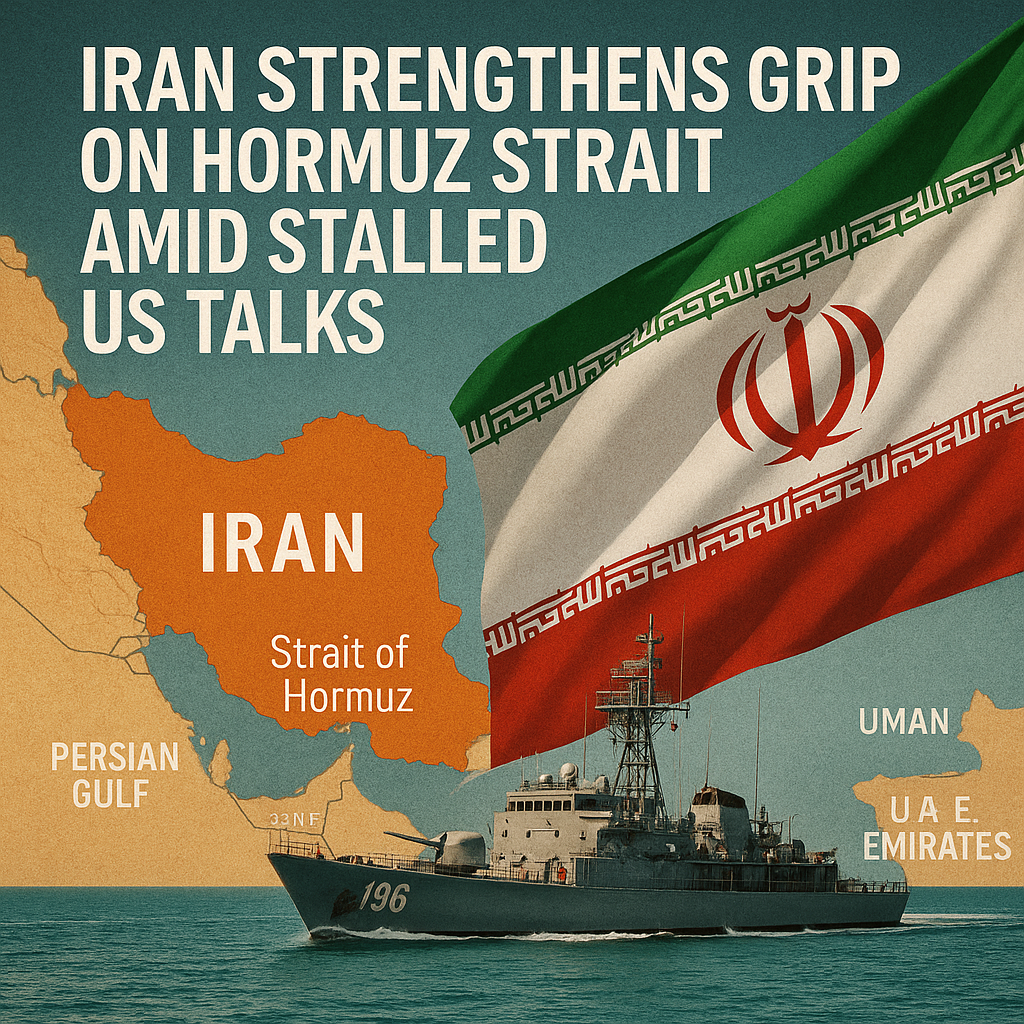
Tensions are on the rise as Irans military orders an Indian ship to divert from the crucial Strait of Hormuz, stirring concerns over maritime security and the geopolitical landscape of the Persian Gulf. With 20% of the world’s oil passing through this vital waterway, every incident here has the potential to ripple through global markets and international relations.
In a bold move, Israel has marked a Yellow Line along its northern border with Lebanon, mirroring its Gaza strategy to enhance security against cross-border threats. This controversial step is stirring up a storm of reactions, highlighting the delicate balance between safety and sovereignty in a region fraught with tension.
In a bold declaration, Rosatom’s CEO revealed that Russia is keeping its uranium supply offer open for Iran, deepening their growing partnership and stirring debate about the future of global nuclear oversight. As geopolitical tensions rise, this move not only solidifies ties but also raises critical questions about nuclear intentions in the region.