
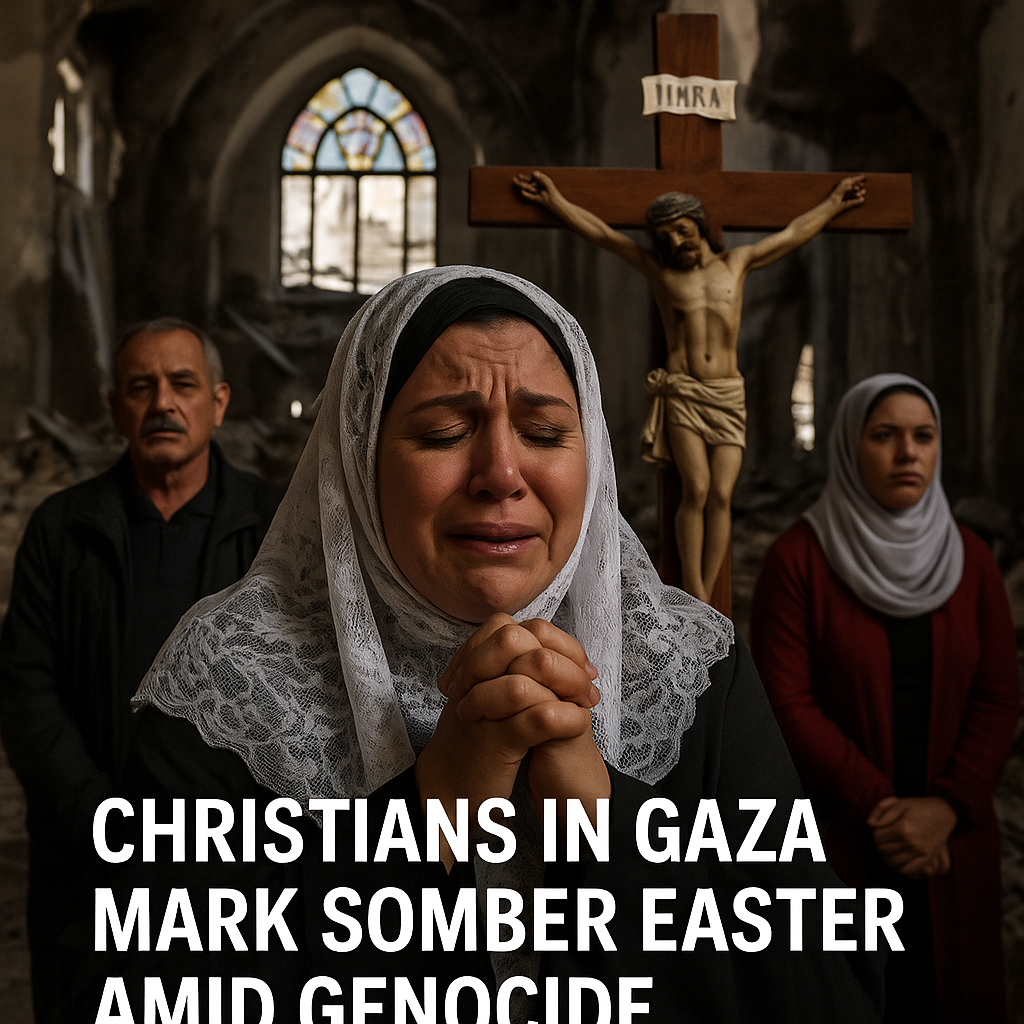
Christians in Gaza Mark Somber Easter Amid Genocide

Christians in Gaza Mark Somber Easter Amid Genocide
In a landscape ravaged by conflict, Christians in Gaza approach Easter with heavy hearts and solemn reflections. This year’s observance comes as the region grapples with profound humanitarian challenges, as reports of violence and loss have intensified. Understanding this context is crucial for appreciating the layers of emotion and resilience exhibited by Gazan Christians during this sacred time.

The Lingering Shadows of Violence
The current geopolitical climate in Gaza has been marked by significant turmoil, leading many to describe the ongoing situation as akin to genocide. According to reports, Christians in Gaza are feeling increasingly isolated, representing a small minority amid a largely Muslim population. For these individuals, celebrating Easter—a holiday that symbolizes rebirth and renewal—has become a somber act of solidarity and mourning rather than one of joyous celebration.


Al Jazeera highlights that many Christian families in Gaza are forgoing traditional festivities. “We refuse to celebrate while our neighbors are suffering,” one church leader noted, reflecting a broader sentiment of solidarity among communities facing loss and despair. This perspective is echoed by others who argue that the sheer magnitude of human suffering in the region casts a shadow over any potential celebration—the stark reminder of daily life under siege shapes every ritual.


Similarly, reports from Sky News underscore that the Christian community in Gaza is confronting not only the physical ramifications of armed conflict but also emotional and spiritual challenges. The destruction of homes, the loss of life, and relentless anxiety weigh heavily on individual and collective psyches. Easter, typically a joyous occasion filled with celebrations, serves instead as a moment of remembrance for lost lives and a call for peace and justice.
The Symbolism of Easter Amid Adversity
Despite the somber atmosphere, Easter remains a pivotal moment for the Christian community in Gaza. Local church leaders are emphasizing the significance of hope and resilience. They articulate that the act of gathering, even in mourning, is a powerful testament to faith. “Our hope is not in our circumstances but in our faith,” a local pastor stated, showcasing the endurance of spiritual traditions even in the face of overwhelming challenges.
Moreover, RT highlights the importance of communal gatherings for Christians in Gaza during this time. These events provide not only an opportunity to remember the struggles of their faith but also to express unity against the backdrop of fear and division. Many churches report that despite the difficulty, their congregations are committed to participating in Easter services, viewing this practice as an essential affirmation of their identity in a time of crisis.
This backdrop of adversity invites both local and international observers to reflect on the human condition amid conflict. While the situation for Christians in Gaza appears bleak, it simultaneously sheds light on broader themes of perseverance found in many conflict zones around the world. Solidarity across spiritual and cultural lines can serve as a beacon of hope for those suffering in silence.
Bridging Divides in a Time of Need
The narrative surrounding the hardships faced by Christians in Gaza is part of a larger discourse on the impact of conflict on religious minorities. While some reports emphasize the growing isolation and persecution of these communities, others argue for the importance of interfaith dialogue and cooperation.
Calls for increased support from international organizations, including various NGOs, have been echoed by local leaders advocating for humanitarian aid that transcends religious lines. Activists assert that fostering unity among different faith groups can play a crucial role in mitigating the impact of violence in Gaza. This notion brings forth a vital discussion: Can faith serve as a unifying force amidst divisive circumstances?
Yet, the reality is multifaceted. Some observers assert that inadequate representation and support for Christian communities contribute to their feeling of marginalization. The struggle for resources and recognition cannot be overlooked. Many Christians in Gaza express concerns about being forgotten amid broader geopolitical narratives that often overshadow their voices.
Conclusion: A Call for Awareness and Action
As Christians in Gaza observe a muted Easter, their stories compel us to confront the complexities faced by communities in conflict. The refusal to celebrate amidst suffering is emblematic of a deeper struggle—one that resonates across various cultures and faiths. These voices remind us that while conflict may divide, faith and hope can also unify.
The situation in Gaza serves as both a cautionary tale and a call to action. It urges the global community to engage more deeply with the realities faced by religious minorities and to advocate for humanitarian support that addresses immediate needs while fostering long-term peace.
In reflecting on the somber Easter observance in Gaza, it is essential to emphasize that the narratives of suffering do not diminish the strength of hope. Instead, they are woven together—providing a poignant reminder that even in the darkest times, the spirit of resilience and community can shine through. The stories of Gazan Christians deserve recognition and support as they navigate their faith amid tumultuous times.















