
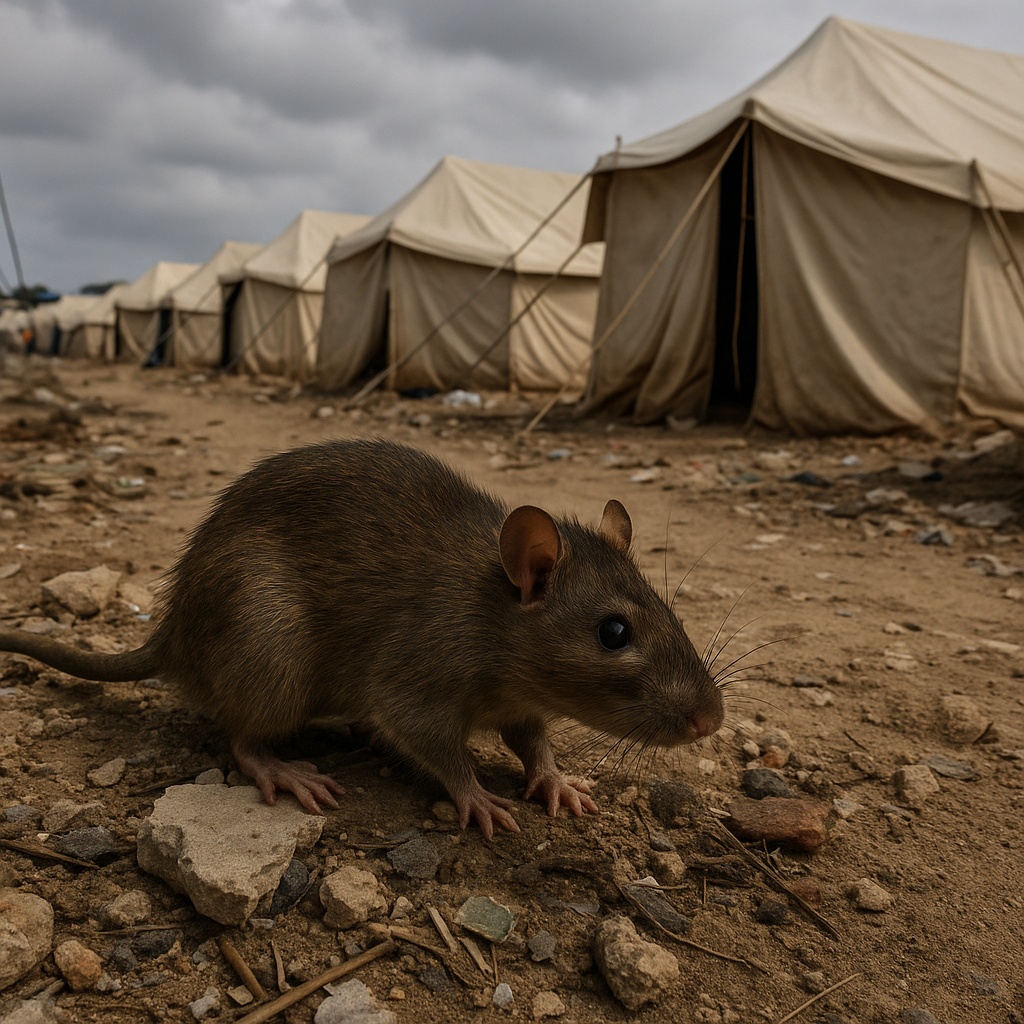
Rodent Infestations Spread in Gaza Tent Camps

Rodent Infestations: A Growing Concern in Gaza’s Tent Camps
Rodent infestations are becoming an alarming issue in Gaza’s tent camps, a concern that poses significant health risks for the vulnerable populations residing there. As humanitarian challenges continue to escalate, the presence and proliferation of these pests amplify the existing difficulties faced by residents.

The Rising Threat of Rodents in Tent Camps
Recent reports highlight that rodent populations in Gaza’s tent camps have surged due to a combination of overcrowding, poor sanitation, and inadequate waste management systems. The Al Jazeera report sheds light on how these conditions, worsened by the ongoing blockade and civil unrest, create a perfect breeding ground for rodents. Residents have expressed their distress over the situation, citing health fears and the potential for disease transmission.


In contrast to the immediate public health perspective, some local officials emphasize the need for more integrated pest control measures. Authorities assert that while the situation is dire, sustainable solutions require resources that are currently strained due to the humanitarian crisis. The reporting suggests that many aid organizations are also finding it difficult to address the infestation issue comprehensively amid a myriad of pressing needs, including food security, shelter, and medical support.


Health Risks Associated with Infestations
The health risks posed by rodent infestations are particularly concerning. Rodents are known vectors for various diseases, such as leptospirosis and hantavirus, which can have serious, even fatal, consequences if contracted. Health professionals in Gaza urge both communities and aid organizations to take immediate action to mitigate these risks. Unfortunately, the access to healthcare and preventive measures is restricted, further complicating any direct response to this emerging crisis.
While some residents complain about the lack of response from humanitarian agencies concerning hygiene and pest control, others note that local initiatives have been set up to combat this issue. Community-led efforts have begun to undertake basic cleanliness and maintenance tasks, though these are often hampered by limited support and resources.
Contrasting Perspectives: Governance and Aid Challenges
The divide in opinions regarding the responsibility for addressing the rodent infestation reflects larger underlying governance and aid challenges in Gaza. On one hand, many blame a lack of decisive action by governing bodies for the predicament. On the other hand, some officials point to the severe limitations posed by the ongoing conflict, which they argue hampers comprehensive urban and health planning efforts.
Humanitarian organizations, many of which rely on international funding, highlight their struggle to gain a clearer mandate for pest control when other immediate survival needs are paramount. For instance, while initiatives for food and water aid currently dominate their agendas, rodent control remains a secondary concern, though it is critical for long-term health stability within these populations.
The Road Ahead: Possible Solutions
In light of this complex situation, multiple stakeholders need to engage in coordinated efforts to address the dual issues of rodent infestations and the broader humanitarian crisis. Some potential solutions include:
– Community Education: Empowering residents with knowledge about effective garbage disposal, sanitation practices, and pest control measures.
– Sustainable Pest Control Initiatives: Establishing programs that not only focus on immediate rodent control but also on long-term preventative measures, involving both local governance and international aid.
– Strengthening Infrastructure: Addressing foundational issues like waste management and water supply can drastically reduce the conditions that favor pest proliferation.
As the communities in Gaza continue to navigate their dire circumstances, the emergence and expansion of rodent infestations add one more layer to an already complex crisis. In addressing the issue, it will be essential for all involved parties—local authorities, humanitarian organizations, and community members—to work collaboratively and efficiently.
In conclusion, while recognizing the urgency of addressing rodent infestations in Gaza’s tent camps, it is equally vital to implement sustainable measures that can prevent such occurrences in the future and improve public health comprehensively. Balancing immediate needs with long-term strategies will be crucial in preserving the health and dignity of the affected populations.















