
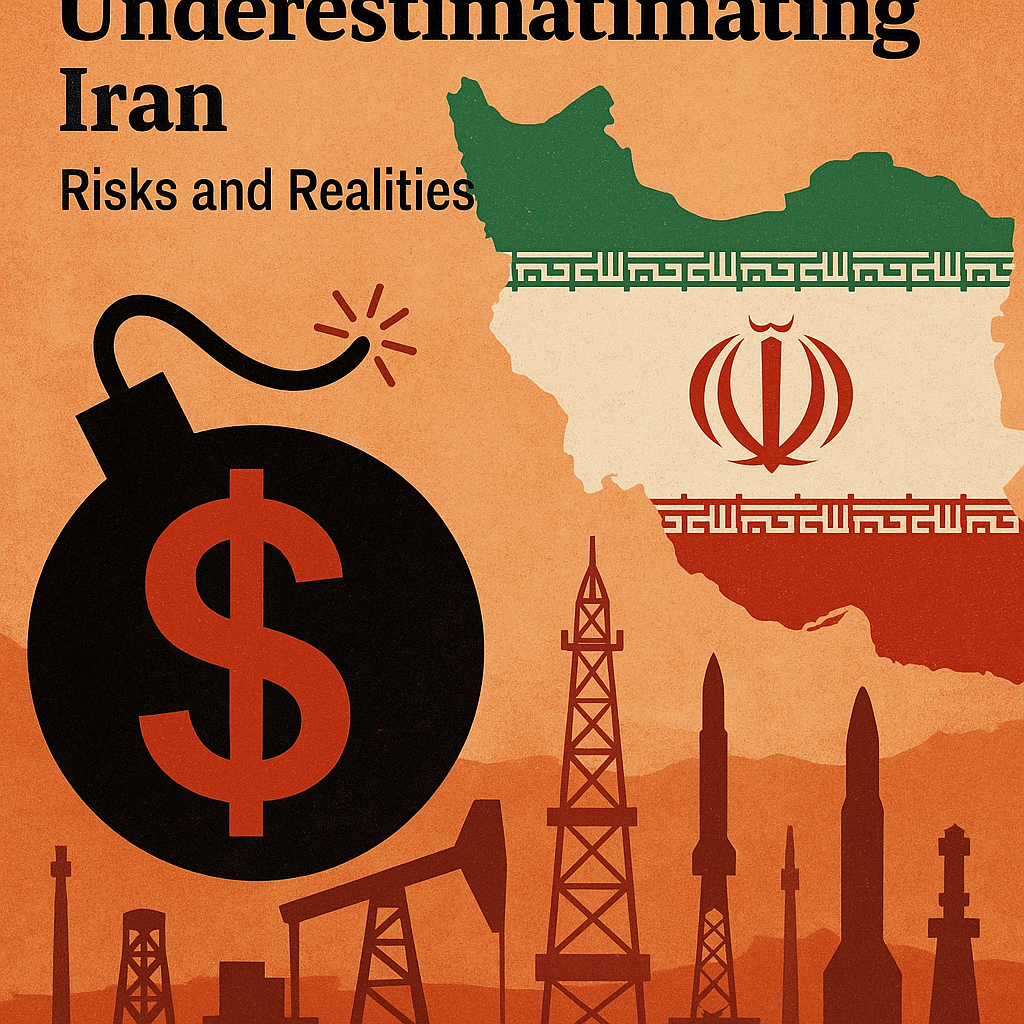
The Cost of Underestimating Iran: Risks and Realities

The Cost of Underestimating Iran: Risks and Realities
The complexities of Iran’s geopolitical influence underscore the high cost of underestimating its strategic capabilities. As tensions rise in the Middle East and beyond, understanding Iran’s multifaceted role is critical for global stability.

Iran’s Strategic Aspirations
Iran has long positioned itself as a pivotal player in Middle Eastern geopolitics, wielding significant influence through regional alliances and military prowess. Reports indicate that Iran has been expanding its reach via the cultivation of relationships with various militia groups in Iraq, Syria, Lebanon, and Yemen. This strategy not only bolsters its defense against external threats but also enhances its bargaining power in international negotiations.


Military Capabilities and Regional Influence
One of the most significant aspects of Iran’s increasing assertiveness is its military capabilities, particularly its missile technology and drone warfare. Independent analysts note that Iran possesses not only a formidable array of conventional arms but also sophisticated asymmetric warfare strategies that have effectively transformed regional dynamics. As highlighted in recent reports, Iran’s ability to launch attacks through proxy groups—even at a distance—poses new challenges to Western powers and allies in the region.


However, contrasting viewpoints emerge when examining the effectiveness of this military prowess. Some experts argue that while Iran’s capabilities are indeed expanding, they remain constrained by economic sanctions and internal struggles. The sanctions regime, compounded by domestic unrest, raises questions about the sustainability of Iran’s military expansions and alliances. Whether Iran can continue to leverage its military strategies in the face of economic limitations is a point of ongoing debate.
The Geopolitical Landscape: A Double-Edged Sword
The geopolitical landscape surrounding Iran is exceedingly complex. On one hand, its alliances with countries like Russia and China present opportunities for economic and military collaboration, enhancing its defensive posture. On the other hand, these partnerships create friction with Western nations, particularly the United States, which has maintained a policy aimed at suppressing Iran’s regional ambitions.
Experts are divided on the potential risks and rewards associated with Iran’s strategic aspirations. For instance, reports suggest that some analysts believe the West underestimates Iran’s ability to disrupt local and global oil markets, while others contend that Iran’s overreliance on strategic partnerships could become a liability if key allies choose to distance themselves due to international pressures.
Economic Sanctions: A Double Compromise
Economic sanctions have been a significant tool used against Iran by Western nations, aimed at curbing its nuclear ambitions and regional influence. While these measures have undeniably strained Iran’s economy, they have also fostered a resilient response. Iran has sought to develop an inclusive, self-sufficient economy, attempting to pivot from reliance on single market exports, particularly oil.
However, the efficacy of such measures is contested. Supporters of the sanctions argue they have effectively hampered Iran’s ambitions, while opponents claim they have only strengthened nationalistic sentiments, providing the Iranian government with an opportunity to rally domestic support against perceived foreign aggression. This assertion highlights the unintended consequences of Western foreign policy, where pressure can inadvertently unite a divided nation, countering the original goal of destabilization.
The Path Forward: Strategic Considerations
Given the intricate realities of Iran’s geopolitical stance, policymakers must tread carefully. A nuanced understanding—acknowledging both the risks and realities of Iran’s ambitions—is paramount in developing effective foreign policy.
Balancing Act: Diplomacy and Deterrence
Moving forward, a dual approach that incorporates both diplomacy and military deterrence might be the most effective strategy. Increased diplomatic engagement, perhaps through a renewed dialogue on nuclear capabilities, could de-escalate tensions while fostering a more stable regional order. Simultaneously, deterring aggressive postures through military readiness in response to Iran’s meddling must remain a significant priority for Western powers.
Conclusion
Underestimating Iran could lead to dire consequences, not only for the region but for global stability at large. As dynamics continue to evolve, a comprehensive understanding of Iran’s capabilities and the implications thereof is essential. Continuous dialogue, informed policymaking, and a balanced approach could pave the way for a more peaceful coexistence, mitigating the potential fallout of miscalculations on all sides.















