
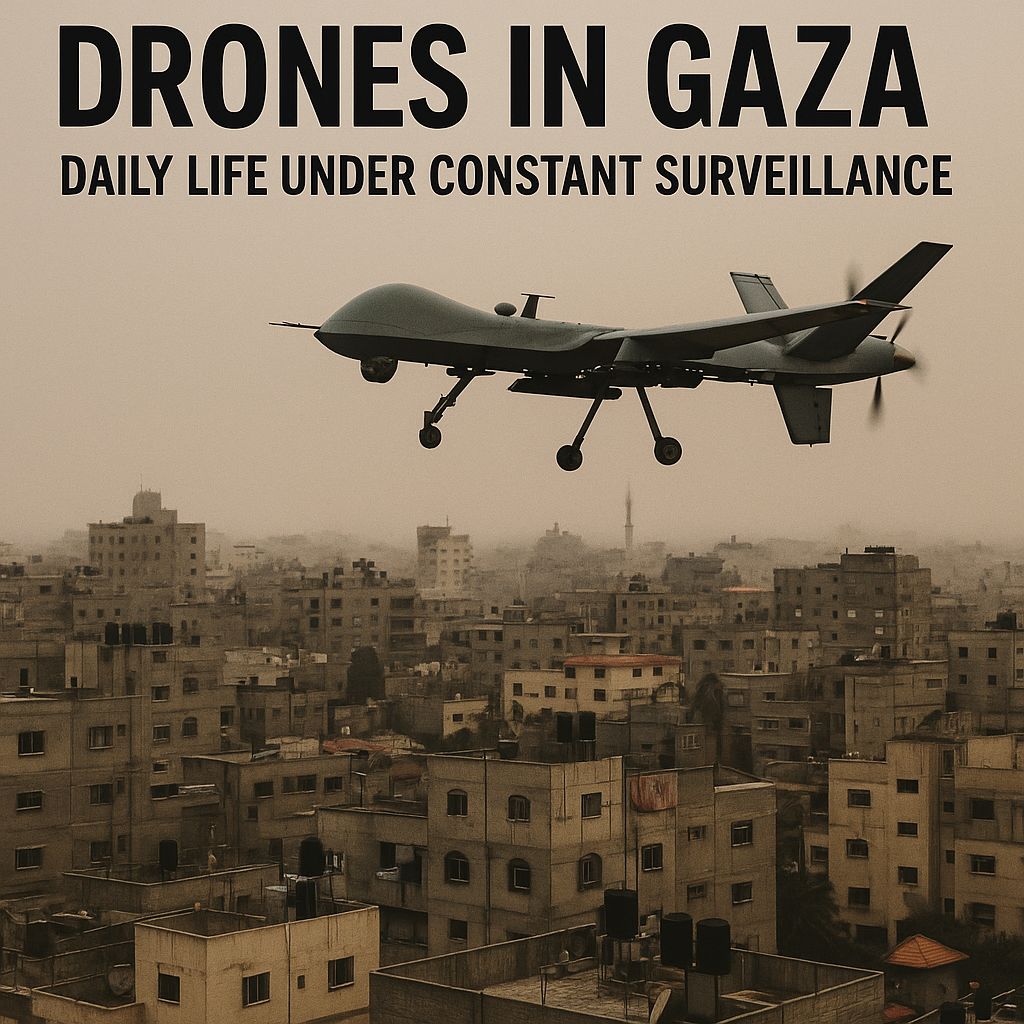
Drones in Gaza: Daily Life Under Constant Surveillance

Drones in Gaza: Daily Life Under Constant Surveillance
In Gaza, drones loom like an ever-watchful eye, affecting the rhythms of daily life. The omnipresence of these unmanned aerial vehicles has become a powerful symbol of both surveillance and tension in a region fraught with conflict. As residents navigate the complexities of life under constant scrutiny, the implications of drone deployment extend far beyond mere observation, shaping social and psychological landscapes.

The Reality of Drones in Daily Life
Living in Gaza means adapting to a reality characterized by the frequent buzz of drones overhead. This form of surveillance has both immediate and long-term impacts, ranging from heightened anxiety to altered behavioral patterns among residents. A report from Sky News highlights personal accounts from Gazans who describe the presence of drones as a “punishment,” underpinning the psychological strain that comes with knowing one is always being watched.


Psychological Impact on Residents
The psychological ramifications of this constant surveillance cannot be overstated. Many residents express feelings of paranoia and helplessness, as articulated by one Gazan in a diary excerpt featured in the Sky News article. The drone presence is not merely a technical or military phenomenon; it transforms how individuals approach their daily activities, from socializing in public spaces to even venturing outside.


This sentiment is echoed in various comments from local human rights organizations, which argue that the continuous surveillance results in a form of collective trauma. Gazans may grow accustomed to the drones, yet the undercurrents of anxiety remain a constant companion. The disparity between living in a densely populated area and feeling vulnerable under aerial scrutiny creates a complex emotional landscape.
Diverging Perspectives on Drone Use
While some view drones primarily as tools for security, the implications of their usage are more complicated and contested. Reports from Al Jazeera document differing opinions on the effectiveness of drones in reducing violence and ensuring safety. Proponents argue that drones can enable better monitoring of hostile activities, potentially helping to defuse tension. Security experts cited in these discussions emphasize that drones can act as deterrents against militant activities.
Conversely, critics assert that the pervasive use of drones breeds resentment and fear, further entrenching cycles of violence rather than alleviating them. The RT article illustrates this argument, emphasizing that a heavily surveilled populace often feels more isolated and antagonized, rather than protected. Many Gazans believe that the presence of drones amplifies existing tensions rather than fostering a sense of security, serving as a reminder of their vulnerability.
A Complex Interplay of Perspectives
These diverging viewpoints create a landscape where the perception of drones varies significantly among residents and observers. For some, they are a sign of state power and surveillance capability; for others, they are tools of oppression that erode fundamental freedoms and well-being. The narratives around drones in Gaza encapsulate not only the local humanitarian crisis but also the broader consequences of prolonged conflict.
Conclusion: An Uneasy Status Quo
The daily life in Gaza is undeniably shaped by the presence of drones, but the impact of these unmanned vehicles transcends basic surveillance. Residents navigate a complex reality where personal freedom clashes with fears of potential violence, all under the piercing gaze of aerial technology.
Despite differing opinions on the utility and morality of drone surveillance, a consensus emerges on the necessity of addressing the psychological toll on the population. As long as drones remain integral to military strategies, understanding their impact on daily life in Gaza is crucial for framing discussions around conflict resolution and humanitarian aid.
In an environment steeped in uncertainty and conflict, one thing remains clear: the conversation around surveillance, security, and individual freedoms continues to evolve. How these issues are addressed will ultimately influence both the immediate future of Gaza and the broader discussions on drone warfare globally.















