
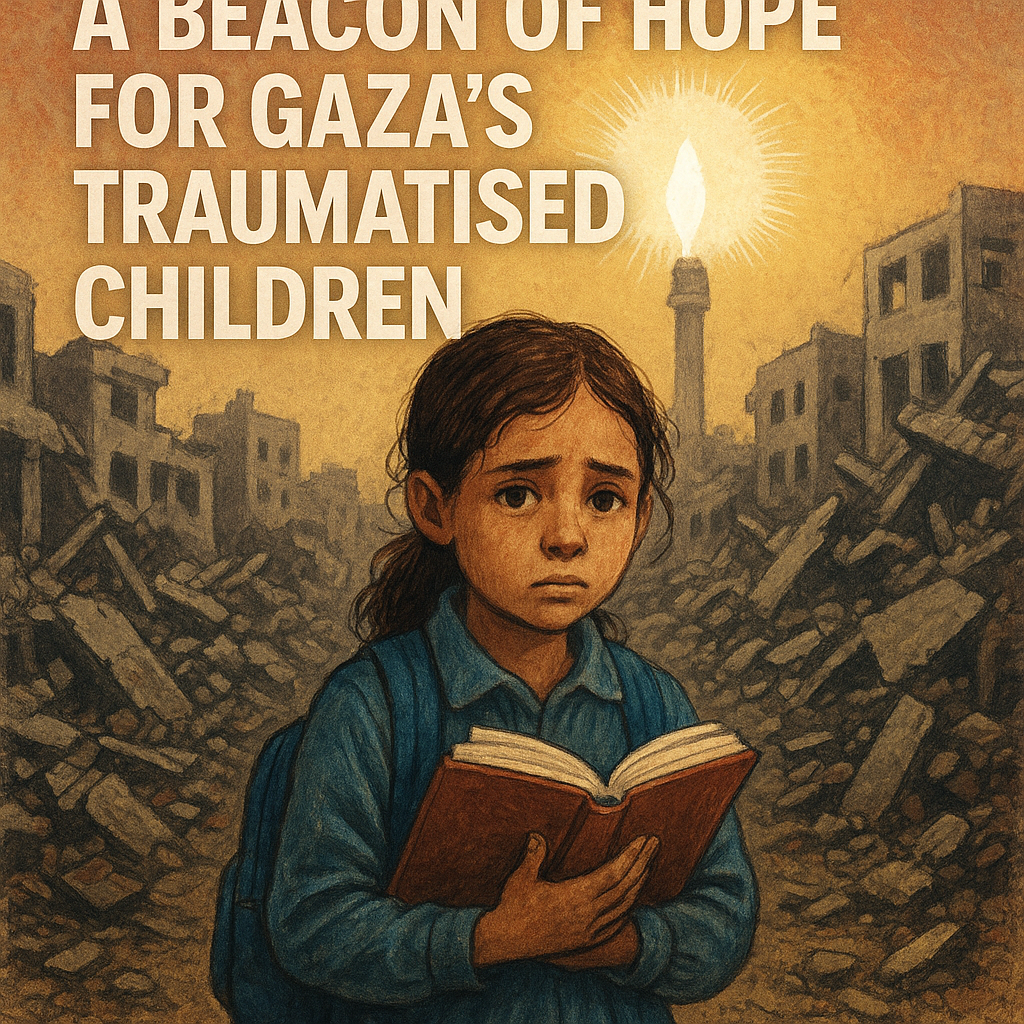
Education: A Beacon of Hope for Gaza’s Traumatised Children

Education: A Beacon of Hope for Gaza’s Traumatised Children
Education in Gaza is more than just a means of acquiring knowledge; it serves as a vital platform for healing and hope for a generation grappling with trauma. In a region where violence and instability have become part of everyday life, the need for educational opportunities is urgent. Recent articles illustrate the multifaceted role that education can play in restoring normalcy and providing a brighter future for Gaza’s children.

The Current State of Education in Gaza
Gaza’s educational system faces monumental challenges. With frequent conflicts, schools are often damaged or repurposed to accommodate displaced families. According to Al Jazeera, many students in Gaza suffer from psychological trauma stemming not only from the conflict but also from the broader humanitarian crisis. Mental health issues, such as PTSD and anxiety, are rampant among children who have witnessed violence or lost loved ones.


Despite these adversities, education remains a beacon of hope. Schools, when operational, become sanctuaries for children, offering a sliver of normalcy in an otherwise chaotic existence. Teachers in Gaza are not just educators; they often serve as counselors and caregivers, providing crucial emotional support to their students. As highlighted by multiple reports, the role of education in fostering resilience and healing cannot be overstated.


Diverse Perspectives on Educational Interventions
International organizations and local NGOs are working to improve educational outcomes in Gaza, combining academic instruction with emotional support. Programs aimed at trauma-informed care are emerging, emphasizing the psychological wellbeing of children alongside their academic success. However, there is a divide in opinions regarding the effectiveness of these interventions.
Some advocate for a focus on curricula that integrates emotional healing. They argue that academic education alone is insufficient if children are not supported emotionally. A report from RT emphasizes the urgent need to address these mental health aspects, citing the importance of training teachers in both academic and psychological care. This dual approach is argued to enhance learning outcomes while also fostering emotional resilience.
Conversely, others emphasize the need to bolster educational infrastructure first and foremost. Critics claim that without repairing damaged schools and ensuring basic educational supplies, any emotional support initiatives will falter. Sky News notes that financial instability and limited resources significantly impair educational facilities, which diminishes their ability to cater to a child’s holistic need.
Bridging the Divide: Community Involvement and Support
Moreover, community involvement is critical to successful educational interventions. Local communities in Gaza play an essential role in supporting children’s education, advocating for children’s rights, and facilitating collaborative efforts to create safe learning environments. Community-led initiatives provide tutoring, mentoring, and extracurricular activities, enabling children to engage with their peers in a supportive atmosphere.
Cultivating parent-teacher partnerships is also vital. A collaborative approach encourages parents to participate in their children’s education, fostering atmospheres conducive to learning. Al Jazeera highlights initiatives where schools organize workshops for parents to help them understand the importance of emotional wellbeing in educational settings. This reciprocal relationship can be foundational in rebuilding trust within the community.
The Path Forward: Balancing Infrastructure and Emotional Healing
While Gaza’s educational infrastructure is in dire need of repair, focusing solely on rebuilding schools is a limited approach. Education cannot be effectively delivered without addressing the psychological barriers that children face. This balancing act between enhancing educational infrastructure and prioritizing mental health is critical for realizing the potential of education as a beacon of hope.
As the international community increasingly recognizes the plight of Gaza’s children, concerted efforts are essential. Donor countries and organizations need to work collaboratively with local entities to drive policy changes and offer financial support tailored to meet both the infrastructural and emotional needs of schools. Long-term investments in education could provide the lifeline that many children desperately need.
Conclusion: A Collective Responsibility
In summary, education in Gaza holds promise as a formidable ally in the fight against trauma and despair. It bridges critical gaps in emotional wellbeing while fostering a future full of possibilities. The plight of Gaza’s children underscores the importance of a multi-faceted approach that balances educational efficacy with emotional healing.
While there may not be a one-size-fits-all solution to the issues affecting education in Gaza, a collective responsibility to address both infrastructure and mental health can pave the way for a brighter future. Education can shine as a beacon of hope, illuminating paths for the children of Gaza to overcome their past traumas and move towards a hopeful tomorrow.















