
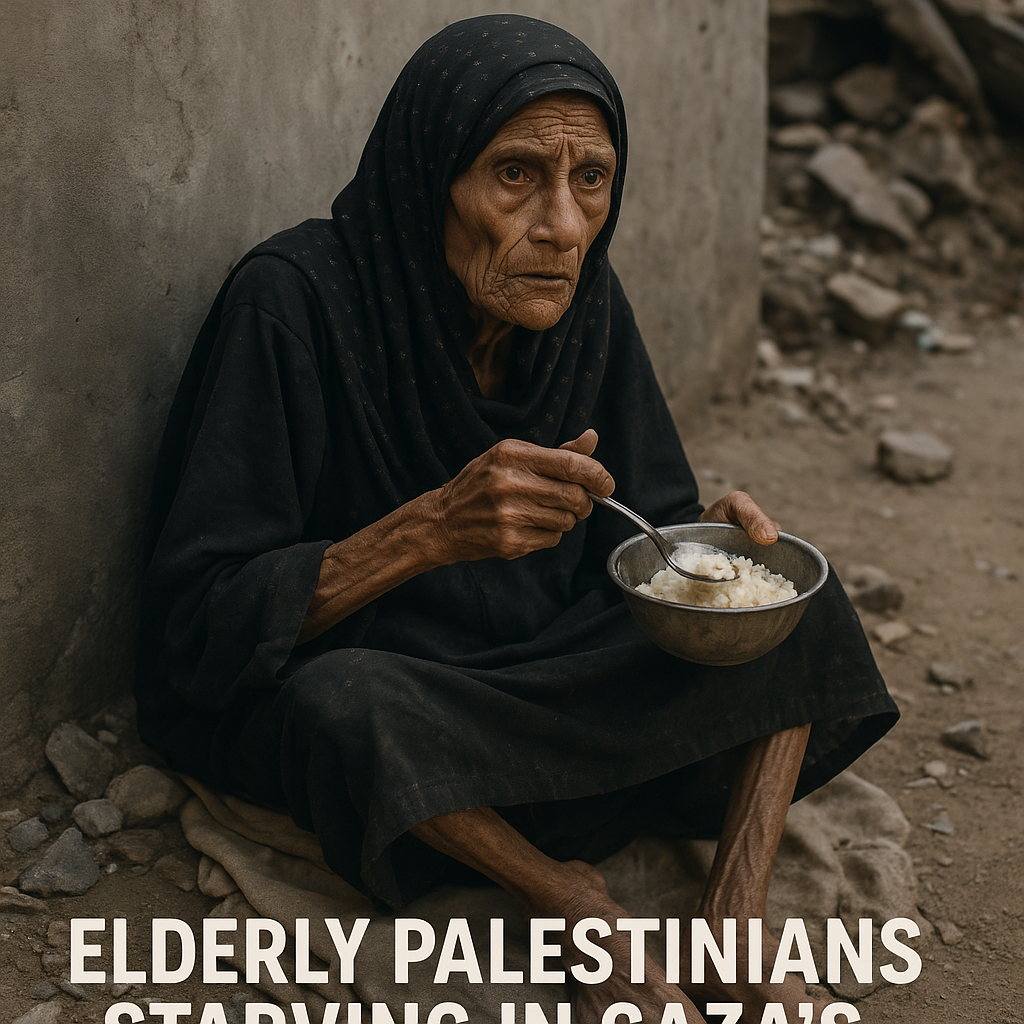
Elderly Palestinians Starving in Gaza’s Israeli-Made Famine

Elderly Palestinians Starving in Gaza’s Israeli-Made Famine
The plight of elderly Palestinians in Gaza is further complicated by the ongoing humanitarian crisis, with many facing starvation amidst a backdrop of conflict. This situation warrants a closer examination of the underlying causes, the international response, and the potential resolutions in light of diverse viewpoints.

The Humanitarian Crisis in Gaza
Gaza has been embroiled in a protracted crisis characterized by blockades, limited access to essential services, and ongoing violence. According to reports from Al Jazeera, the conditions have reached alarming levels, leaving many elderly individuals dependent on humanitarian aid that is often inadequate. The situation is exacerbated by economic hardship and political instability, making basic sustenance a daily struggle for a significant portion of the population.


– Rising Malnutrition: Statistics indicate a dramatic rise in malnutrition rates among elderly Palestinians. With healthcare systems under severe strain, chronic illnesses and age-related ailments are increasingly left untreated, further endangering this vulnerable demographic.


– Food Insecurity: The RT News agency reported that food insecurity in Gaza has reached critical levels, as blockades restrict the import of essential goods, leading to soaring prices and limited availability. While data from the United Nations reveals that over 1.4 million people are food insecure, elderly individuals face unique challenges, often lacking mobility and the ability to procure adequate meals.
Diverse Perspectives on the Crisis
While the humanitarian situation in Gaza seems dire across various reports, viewpoints differ regarding the causes and responsibilities.
Accountability and Responsibility
Many advocates argue that the Israeli blockade is a principal factor causing this humanitarian crisis. As Al Jazeera points out, the limitations on goods and aid significantly restrict the flow of essential supplies, affecting the most vulnerable. The narrative of “collective punishment” has emerged repeatedly in discussions, suggesting that the broader population pays a price for the actions of certain groups.
On the other hand, some opinions shared through Sky News highlight the complexity of governance in Gaza, citing the role of local authorities in exacerbating food distribution issues. Critics assert that internal governance and political strife among Palestinian factions, including Hamas, may impede effective humanitarian assistance, leaving the elderly disproportionately affected.
The International Response
The global response to the humanitarian crisis has been mixed. Human rights organizations and international bodies, such as the United Nations, have called for immediate intervention and increased aid but have faced roadblocks. For instance, consistent reports about delays in securing passage for humanitarian supplies raises questions about the efficacy of international diplomacy.
Conversely, some reports from RT News emphasize the difficulties Western nations face when attempting to balance humanitarian concerns with geopolitical considerations in the region. The question arises: can external actors effectively mediate when internal factors complicate the situation?
A Call for Action
As the situation for elderly Palestinians deteriorates, there’s an urgent call for a multifaceted approach to address the humanitarian crisis.
– Humanitarian Aid: Immediate channels for humanitarian relief must be established to ensure food, medicine, and essential supplies reach those in need. This process necessitates cooperation between all factions involved, ensuring that aid is distributed equitably.
– International Pressure: Global powers and institutions must apply pressure to alleviate the blockade while keeping the humanitarian crisis in the public consciousness. Raising awareness can often lead to political and social action that may foster long-term improvements.
– Engagement with Local Leadership: Engaging with local leadership is crucial. Dialogue within Palestinian authorities could promote more effective governance and aid distribution, ensuring that resources reach those most in need.
The Uncertain Path Ahead
The complexities surrounding the crisis in Gaza leave many questions unanswered. Will international efforts towards humanitarian relief yield immediate results? What role can local governance play in alleviating suffering? As diverse perspectives reveal, the situation is undoubtedly precarious, with no single entity bearing total responsibility.
The plight of elderly Palestinians in Gaza is undeniably a humanitarian tragedy that requires immediate attention, compassion, and action. Addressing this multifaceted issue demands not only a recognition of the complexities involved but also a collective effort from local and international actors to alleviate suffering for those who are most vulnerable.















