
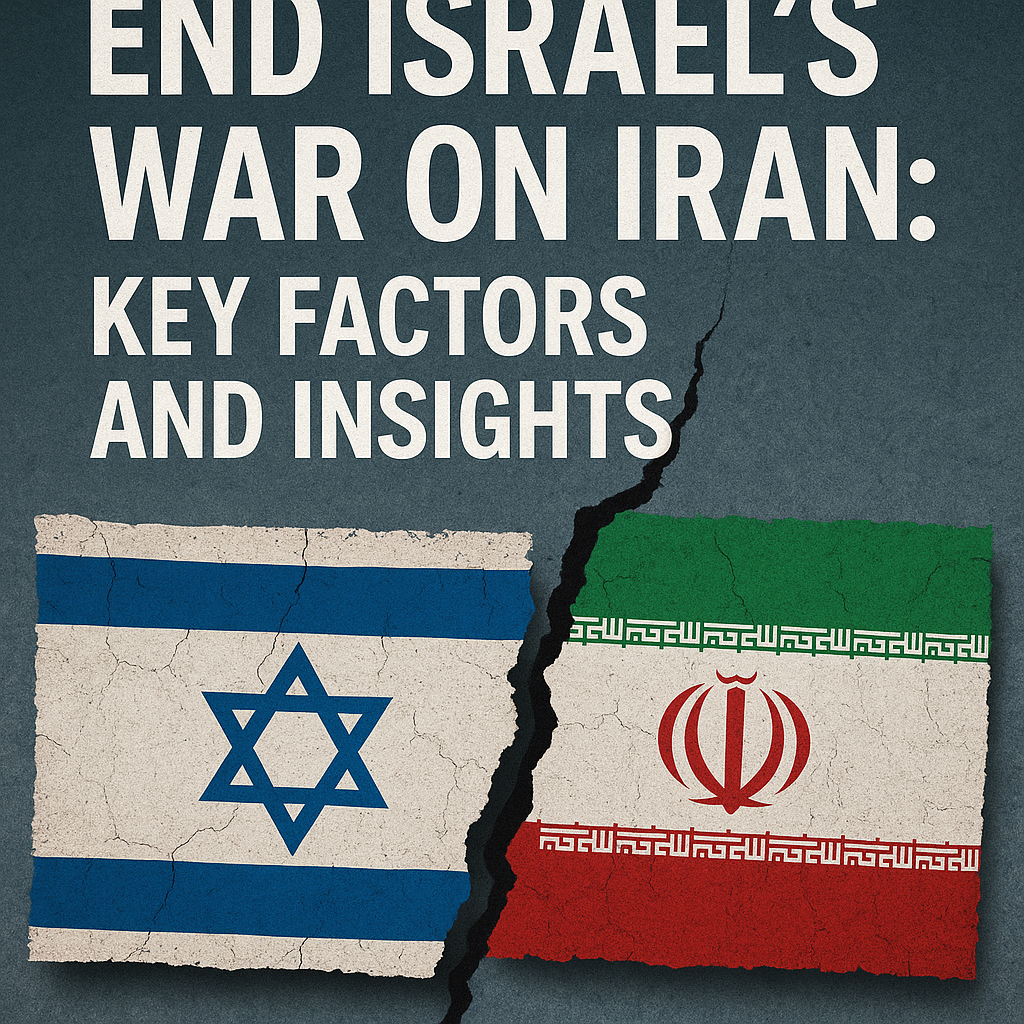
End Israel’s War on Iran: Key Factors and Insights

Ending Israel’s War on Iran: Key Factors and Insights
The conflict between Israel and Iran represents a deeply complex geopolitical struggle marked by a history of tension, proxy wars, and strategic calculations. Understanding the key factors driving this conflict is crucial, particularly as conversations around potential resolutions intensify.

Historical Context: The Root of the Conflict
At the heart of the Israel-Iran discourse lies a historical legacy that shapes present-day interactions. The 1979 Islamic Revolution fundamentally altered Iran’s relationship with Israel. Once considered an ally, Iran transformed into a regional adversary, bitterly opposing Israeli policies, especially concerning Palestine.


Analysts suggest that the animosity is not solely about the Israeli-Palestinian issue; it extends into broader regional dynamics. Iran sees itself as the leader of a Shiite Muslim bloc, countering Israel’s perceived dominance and its relationships with Sunni Arab states. This rivalry has often led to proxy engagements, particularly in conflicts in Syria and Lebanon.


Escalating Tensions: Military Posturing and Cyber Warfare
Tensions have escalated significantly in recent years, with both sides engaging in military posturing. Israel perceives a nuclear-armed Iran as an existential threat, leading to preemptive military actions and intelligence operations aimed at Iran’s nuclear program. For instance, Israeli airstrikes targeting Iranian facilities in Syria have been a frequent occurrence.
On the other side, Iran has consistently retaliated in various forms, ranging from missile attacks to cyber operations against Israeli infrastructure. According to reports, Iranian cyber warfare has increasingly aimed at destabilizing Israeli society, complicating the situation further.
Prospects for Resolution: Diverging Opinions
The question of how to resolve the tensions varies greatly among experts and policymakers. Some believe that a diplomatic approach could yield positive outcomes. For instance, initiatives that resemble the Joint Comprehensive Plan of Action (JCPOA)—the 2015 nuclear deal—may offer a pathway forward. This sentiment was echoed in a recent analysis from Al Jazeera, which argued that diplomatic channels remain essential for de-escalation.
Contrastingly, others advocate for a more aggressive stance against Iran. A Sky News report highlights voices advocating for military action to curtail Iran’s nuclear ambitions. This perspective stems from a belief that diplomacy has failed and that Iran’s aggressive regional posture necessitates a stronger response.
The Role of Global Powers
External actors complicate the equation even further. The United States’ withdrawal from the JCPOA under the Trump administration and subsequent tensions raised questions about Western commitments to countering Iranian influence. Russia and China, meanwhile, have shown growing support for Iran, complicating the dynamics of international negotiations.
The role of regional allies, particularly Saudi Arabia and other Gulf states, cannot be overlooked. Many Arab nations view Iran as a rival threat, aligning their policies with Israel to deter Iranian influence. Such alliances may foster a stronger front, one that could either facilitate peace talks or heighten conflict rhetoric.
Points of Divergence: Understanding Different Viewpoints
A notable area of concern is the divergent narratives surrounding nuclear capabilities. Proponents of diplomacy underscore the need for trust-building measures, arguing that mutual assurances can lead to a more stable Middle East. Al Jazeera’s “Inside Story” emphasizes that international players should understand Iran’s security concerns to pave a conducive path for negotiation.
Conversely, those favoring a hardline approach argue that giving Iran a nuclear threshold is tantamount to inviting disaster. They assert that the international community has a responsibility to prevent Iran from achieving nuclear capability altogether, leading to a more formidable military threat in the region.
The Way Forward: Possible Solutions and Challenges
As discussions regarding ending Israel’s ongoing hostilities with Iran evolve, several potential solutions present themselves:
– Diplomacy as a First Resort: Reviving multilateral talks may create an environment conducive to reducing hostilities. Open communication channels could mitigate misunderstandings.
– Regional Security Arrangements: Forming security assistance frameworks among Middle Eastern nations may secure interests across borders, thus protecting against perceived existential threats.
– Public Awareness and Engagement: Initiatives that inform and engage populations can nurture a better understanding of the complex issues at play, fostering grassroots calls for peace.
Even with these strategies, significant challenges remain, including hardline factions within both Israel and Iran, and the historical grievances that have accumulated over decades. Balancing international interests while recognizing regional realities will be pivotal for a successful resolution.
Conclusion: A Path Ahead
The pathway to ending the conflict between Israel and Iran is fraught with challenges and uncertainties. While various avenues suggest potential resolutions, the deeply rooted historical animosities and diverging national interests pose significant hurdles. Achieving peace requires a nuanced understanding of the region’s complexities and a commitment from all parties involved. Through sustained dialogue, trust-building, and thoughtful engagement, a more stable and peaceful Middle East may ultimately become a reality.















