
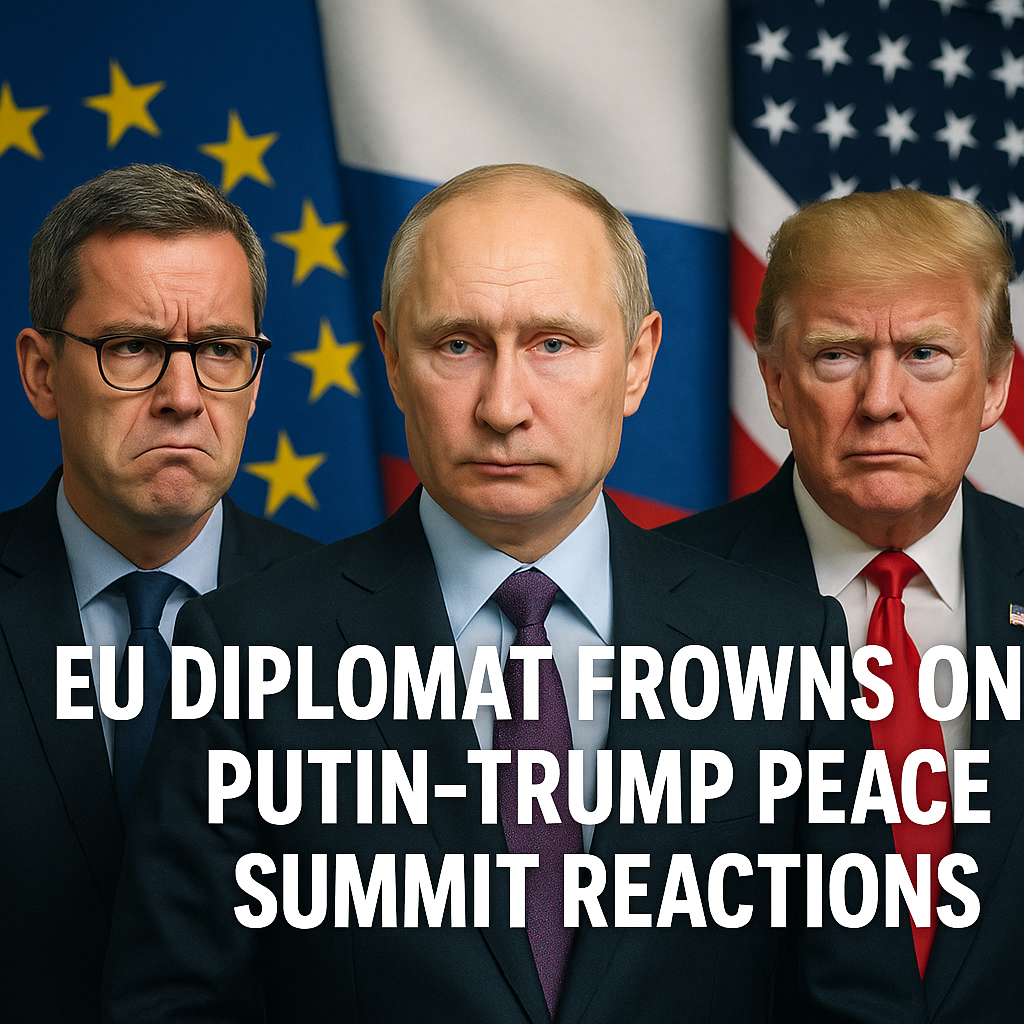
EU Diplomat Frowns on Putin-Trump Peace Summit Reactions

EU Response to Putin-Trump Peace Summit Sparks Mixed Reactions
The recent reactions to a proposed peace summit between Vladimir Putin and Donald Trump have sparked considerable debate within European diplomatic circles. This situation draws attention not only to the integrity of international relations but also to the complexities involved in potential peace negotiations.

Diverse Opinions from EU Officials
Not one, but several European leaders have taken a stance on the topic, revealing a fractured European sentiment toward the Putin-Trump summit. For instance, a recent statement from Estonian Prime Minister Kaja Kallas captured attention, describing the potential summit as a “not nice” proposal, especially in light of ongoing tensions in Ukraine. Kallas emphasized the importance of maintaining a unified EU front against Russia, advocating for policies that reinforce solidarity rather than potentially undermining it through high-profile engagements.


Conversely, other EU officials suggest that engaging with Putin, even through informal summits, could facilitate dialogue essential for peace. They argue that isolating Russia completely may not yield the desired outcomes, since unresolved issues linger in regions such as Eastern Europe and the Caucasus. This perspective, however, raises the question of whether talks with a leader perceived as aggressive could be construed as legitimizing his actions.


The Complexity of Peace Negotiations
The complexities of peace negotiations in the context of these high-profile figures cannot be overstated. Many residents in the EU have expressed concerns that a summit with Putin might not bring about meaningful change, given the historical backdrop of Russian aggression in Ukraine and its influence in other regions. On the other hand, advocates of dialogue contend that building communication channels could pave the way toward reduced hostilities.
European responses to the summit reveal a broader dilemma: should leaders prioritize diplomatic engagement, even with controversial figures, or take a firmer stance by rejecting dialogue in favor of diplomatic isolation? This is especially relevant considering varying EU member states’ interests, some of whom maintain closer ties with Russia and may view engagement as a strategic necessity.
Weighing the Evidence
What do the facts tell us about the potential outcomes of a Putin-Trump summit? Reports indicate that previous summits have garnered mixed results—while they sometimes lead to temporary de-escalations, they have also sparked backlash and disappointment from Western allies. This cyclical pattern prompts critical reflection on the efficacy of high-stake negotiations with leaders who might not be fully committed to the peace process.
Furthermore, historical trends suggest that any diplomatic overtures might serve more as public relations maneuvers than actual commitments to lasting peace. Critics often cite the annexation of Crimea and Russia’s military interventions in Georgia and Ukraine, arguing that such actions jeopardize trust and make negotiations moot. Yet, supporters of the summit express a hope that dialogue can bring about change, suggesting that every conversation provides an opportunity for understanding.
Conclusion: Navigating Uncertainty in Diplomatic Engagement
The mixed reactions to the proposed Putin-Trump summit encapsulate the complexities of European diplomacy. On one side, there is a unified front among many EU leaders advocating for steadfastness against Russian aggression, while others urge for conversation as a necessary tool for conflict resolution.
As we stand at this crossroads, it becomes evident that uncertainties abound in diplomatic maneuvering. The possibility of significant shifts emerging from such a meeting remains ambiguous, highlighting the need for ongoing discourse within the EU community. As this dialogue evolves, one fundamental question will persist: How can European allies balance the imperative for peace with the need to maintain a robust stance against aggression? The answer may lie in fostering diverse conversations that incorporate the varied perspectives of EU member states while remaining vigilant about the power dynamics at play.















