
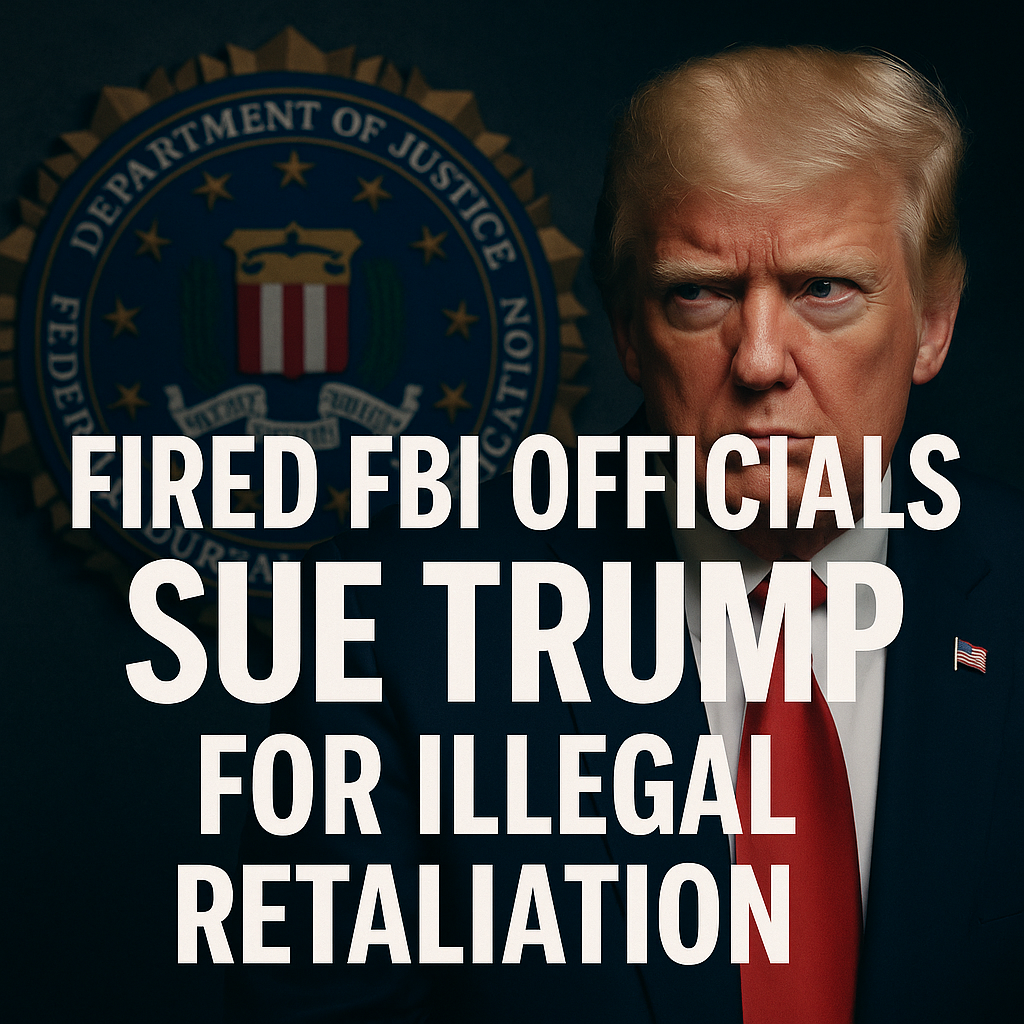
Fired FBI Officials Sue Trump for Illegal Retaliation

Fired FBI Officials Sue Trump for Illegal Retaliation
The recent lawsuit filed by former FBI officials against Donald Trump has reignited conversations about political interference and legal accountability in federal institutions. This case is crucial as it underscores the ongoing tensions between government officials and political leaders, particularly regarding actions that may be perceived as retaliatory.

Background of the Lawsuit
The plaintiffs in this case, former FBI officials Andrew McCabe and Peter Strzok, allege that their dismissals were not merely routine personnel decisions but rather acts of illegal retaliation orchestrated by Trump in response to their roles in investigations that scrutinized his administration. McCabe was notably dismissed just days before he was due to retire, while Strzok was removed from his position amid a scandal related to text messages that some argued displayed bias against Trump.


Both individuals have claimed that their terminations were fundamentally unjust and stemmed from their findings regarding Trump’s alleged misconduct. According to the lawsuit, the former officials seek not only vindication but also compensation for lost wages and damages resulting from what they term “political witch hunts.” They assert that such actions undermine the integrity of the FBI and diminish public trust in federal institutions.


Key Points from the Lawsuit:
– Claim of Retaliation: Both McCabe and Strzok argue they were targeted for political reasons.
– Restoration of Benefits: The lawsuit seeks restoration of lost salaries and reputations.
– Implications for FBI Integrity: The claims suggest a chilling effect on the agency’s ability to operate free of political influence.
Different Perspectives
Support for the Plaintiffs
Supporters of McCabe and Strzok view this lawsuit as a necessary step towards holding political figures accountable for actions that could compromise the independence of federal agencies. They argue that if workplace retaliation based on political affiliations goes unchallenged, it could embolden further misconduct from politicians aiming to manipulate investigations for their benefits. Advocates emphasize the importance of protecting employees who act on their convictions even when those convictions lead them to investigate powerful figures in government.
Moreover, this perspective is bolstered by various legal analysts who emphasize that retaliation against whistleblowers can deter future disclosures of governmental misconduct, posing risks to democratic processes.
Opposition to the Claims
On the other hand, critics argue that McCabe and Strzok’s accusations are based more on personal grievances than on substantiated legal grounds. Some legal experts contend that dismissals in high-profile investigations can be politically sensitive, and actions taken against these officials may not necessarily constitute illegal retaliation. They argue that there are often legitimate administrative reasons for such personnel actions.
Critics also frame the former officials’ lawsuit as another attempt to perpetuate the narrative of a politically motivated vendetta against Trump. They caution that accepting such claims could set a dangerous precedent where political adversaries might weaponize claims of retaliation in legal battles, complicating the already fraught relationship between politics and law enforcement.
The Broader Implications
This lawsuit does not exist within a vacuum; it brings forth broader implications regarding the intersection of political power and the rule of law. Legal experts highlight that the outcomes of such cases can significantly influence how federal employees approach investigations and their interactions with political leaders. If juries and courts favor whistleblower protections decisively, it could prompt more officials to come forward with allegations of misconduct.
Conversely, if courts dismiss these complaints, it may signal a lack of recourse for officials who are removed under contentious circumstances, potentially leading to a culture of self-censorship and fear among civil servants.
Conclusion: A Complex Landscape
As the legal landscape evolves with this lawsuit, it remains to be seen how the courts will interpret the actions of both the officials and Trump. The case encapsulates a pivotal moment as the judiciary navigates the intricate relationship between political power and the independence of federal agencies.
Ultimately, the ongoing legal saga will likely provoke public discourse around justice, accountability, and the crucial role of federal institutions in upholding democratic ideals. As the case progresses, it may very well redefine the boundaries of political conduct and executive oversight, shaping the future of federal employments and protections for those within. A diligent watch over the developments in this case could lead to vital lessons about the balance of power in the American governmental system.















