
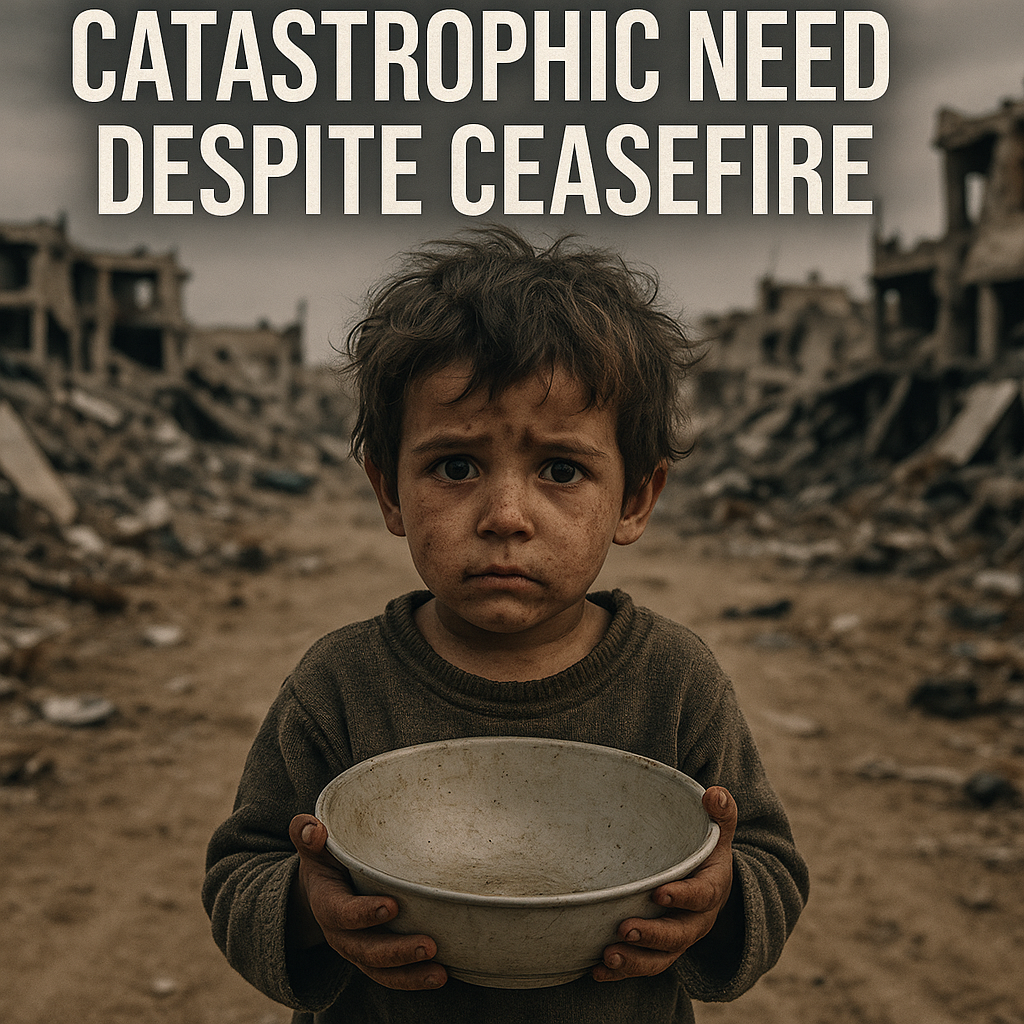
Gaza Hunger Crisis: Catastrophic Need Despite Ceasefire

Gaza Hunger Crisis: Catastrophic Need Despite Ceasefire
The Gaza hunger crisis continues to escalate, despite recent declarations of a ceasefire. Various organizations, including the World Health Organization (WHO), assert that humanitarian needs remain dire even during periods of reduced military activity. The complicated nature of the conflict and the interplay of political, social, and economic factors contribute to this ongoing crisis.

Understanding the Humanitarian Landscape
The humanitarian disaster in Gaza is deeply rooted in decades of conflict, economic blockades, and periodic military escalations. According to the WHO, around 2 million residents currently face food insecurity, with an alarming number of children suffering from malnutrition. The organization’s Director-General, Dr. Tedros Adhanom Ghebreyesus, recently emphasized that “the need for humanitarian aid is catastrophic,” pointing to significant shortages of essential supplies.


Voices from the Ground
Reports from Gaza highlight a community grappling with severe shortages. Markets display bare shelves, and families are forced to make impossible choices between purchasing food or medications. Amidst this turmoil, local aid workers have become increasingly crucial, often risking their safety to distribute food and medical supplies to those in desperate need.


However, contrasting perspectives on whether the ceasefire has significantly changed the humanitarian conditions emerge from various sources. While some argue that the cessation of hostilities has allowed critical aid to flow in, others point out that the underlying issues remain largely unchanged.
Source Analysis:
– Al Jazeera emphasizes the shocking statistics of malnutrition and underscores that the ceasefire has not provided the infrastructure or stability required for lasting improvement. Even with reduced violence, the population’s suffering persists due to chronic shortages and the lack of a sustainable food supply.
– Sky News takes a broader view, noting how international organizations and activists may be shifting their focus. They argue that while the ceasefire is a positive first step towards alleviating immediate tensions, true relief efforts require a reevaluation of policies affecting Gaza’s economy.
Political Dimensions and International Response
The complexities surrounding the Gaza crisis are also political. International responses have varied, with countries and organizations pressing for either increased humanitarian access or demanding systematic changes to the blockade and governance in Gaza. Prominent stakeholders, such as the United Nations, advocate for immediate aid access, while local organizations call for sustainable, long-term solutions.
The Challenge of Aid Distribution
Despite some aid entering the region, logistical challenges make distribution more complicated than it appears. Checkpoints, inspections, and restrictions imposed by different governing authorities often delay or prevent aid from reaching those who need it most. Local NGOs, working in partnership with international agencies, struggle against these barriers while trying to deliver essential services.
The WHO’s call for increased humanitarian access highlights a broader consensus: without open channels for aid, the hunger crisis in Gaza will likely deepen, even if ceasefires are regularly instituted.
Counterclaims from Local Leaders
Local authorities and Palestinian leaders express concern that international narratives around the ceasefire are simplistic. They warn that focusing solely on the violence while ignoring the economic blockade oversimplifies the humanitarian crisis. Their stance emphasizes the need for an equitable political solution, suggesting that unless the broader issues are addressed, the cycle of despair and need will persist.
Next Steps: Pathways to Relief
While opinions diverge on the impact of the ceasefire, one point remains clear: humanitarian needs in Gaza must be met comprehensively and systematically. Several pathways could aid immediate relief:
– Increased Humanitarian Access: Governments and global organizations must engage directly with parties controlling the area to secure longer-term access to humanitarian aid.
– Economic Support: Initiatives that rebuild the local economy could alleviate future crises. This may involve investment in agriculture, infrastructure, and commerce, tailored specifically to the needs of Gaza citizens.
– International Pressure on Governance: Advocating for better governance and fewer restrictions on the local population can help create a context where humanitarian needs are less likely to escalate into crises.
Conclusion
The Gaza hunger crisis illustrates the complex interplay of humanitarian needs and political dynamics. While the ceasefire presents an opportunity for aid to reach those in need, it is not a panacea for the largely entrenched issues that fuel the crises. Addressing the deeper structural problems will be crucial in preventing future catastrophes. As different parties look to navigate this intricate landscape, collaborative efforts between local actors and international agencies could play a vital role in delivering lasting relief and rebuilding hope for the people of Gaza.















