
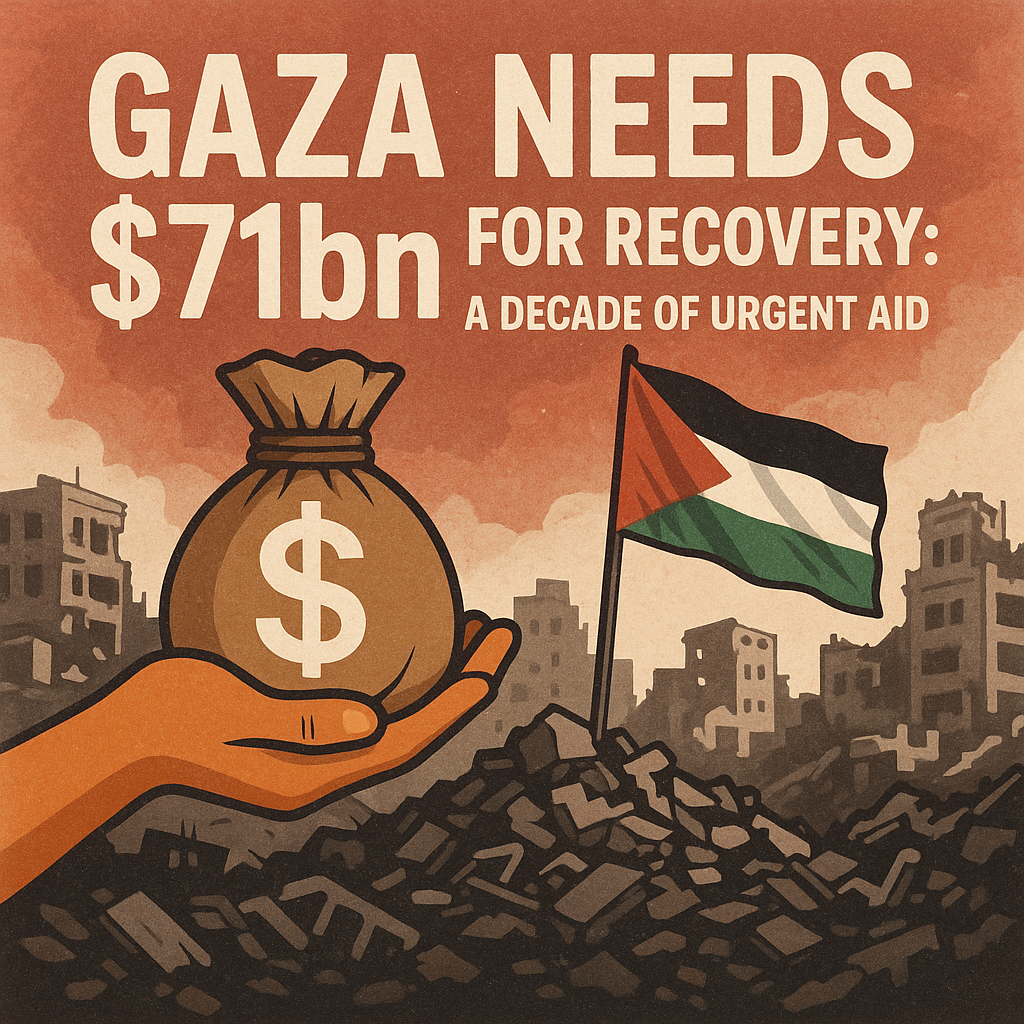
Gaza Needs $71bn for Recovery: A Decade of Urgent Aid

Gaza’s Needs: $71 Billion for Recovery Over the Next Decade
Gaza needs a staggering $71 billion over the next decade to address its recovery and redevelopment challenges. This figure reflects the region’s dire socioeconomic situation, which has been exacerbated by a series of conflicts, blockades, and limited access to resources. The urgency of international aid and sustainable solutions has never been greater. Here, we explore the complex factors contributing to this need, the perspectives surrounding it, and the potential pathways forward.

The Humanitarian Crisis: A Decade in the Making
The humanitarian crisis in Gaza has reached an alarming level, with deteriorating living conditions and limited access to basic services such as healthcare, education, and clean water. According to a recent report highlighted by Al Jazeera, the projected $71 billion would be essential not only for immediate relief but also for long-term recovery and sustainable development.


Factors Contributing to the Economic Needs
1. Infrastructure Damage: Years of conflict have led to extensive destruction of infrastructure. Homes, schools, and hospitals have been heavily damaged or destroyed. Rebuilding efforts will require substantial investment.


2. Blockades and Restrictions: The ongoing blockade has severely limited Gaza’s ability to import essential goods, which has led to economic stagnation. This blockade hampers local industries and limits job opportunities, exacerbating poverty levels.
3. Population Growth: Gaza’s population has been steadily increasing, putting additional pressure on already strained resources. More citizens mean greater demand for housing, healthcare, and educational facilities.
Impact on Daily Life
Residents are bearing the brunt of this situation. According to reports from several sources, many families struggle to afford basic needs. Unemployment rates hover around 50% among youth, leading to widespread disillusionment and a lack of opportunities for future generations.
Diverse Perspectives on Aid and Recovery Efforts
The conversation surrounding Gaza’s recovery is rife with contrasting viewpoints, especially regarding the role of international aid and government accountability.
The Argument for Increased International Aid
Many argue that international assistance is crucial for Gaza’s recovery. Humanitarian organizations emphasize the necessity of this financial support to facilitate immediate relief efforts and longer-term rebuilding. For instance, reports indicate that without enhanced international investment, the situation could deteriorate further, leading to increased instability in the region.
Concerns Over Aid Effectiveness
On the other hand, some critics raise concerns about the allocation and effectiveness of international aid. Skeptics emphasize the potential for corruption and mismanagement of funds, which could ultimately undermine recovery efforts. Insightful commentary underscores the need for transparent mechanisms that ensure aid directly benefits the populace rather than being siphoned off by political factions.
The Call for Structural Reforms
Beyond merely providing aid, there is a growing consensus that structural reforms are essential. Experts suggest that political solutions alongside humanitarian aid could pave the way for a more sustainable recovery strategy. Improved governance and a commitment to democratic values are cited as pivotal for restoring trust and building a stable economy.
The Path Forward: Balancing Aid and Accountability
While the need for an estimated $71 billion in aid is clear, the complexities surrounding its acquisition and allocation must be addressed. A multifaceted approach that combines urgent humanitarian relief with long-term development strategies is crucial.
Key Recommendations for Recovery
1. Promote Economic Resilience: Encouraging local entrepreneurship and investment opportunities must be prioritized. Supporting small businesses can lead to job creation and economic independence.
2. Strengthen Governance: Implementing strong oversight mechanisms for aid distribution can foster trust among Gaza’s citizens and ensure that the assistance is used effectively.
3. Foster Regional Cooperation: Engaging neighboring countries and international organizations can create a more comprehensive framework for aid and development, leading to broader stability in the region.
In summary, Gaza’s need for $71 billion is a reflection of a decade of challenges that compound each other, creating an environment where immediate and long-term solutions are required. The international community has a significant role to play, but it must also address the underlying political and governance issues to ensure that aid not only flows but effectively improves the lives of the people in Gaza. While the road ahead may be fraught with obstacles, a committed, balanced approach offers the best hope for recovery.















