Hezbollah Must Withdraw from Israeli-Occupied Lebanon

Hezbollah Must Withdraw from Israeli-Occupied Lebanon: A Complex Discourse
The ongoing tensions in the region of Israeli-occupied Lebanon have reignited discussions about Hezbollah’s role and the necessity of its withdrawal. This situation is not merely a localized dispute; it intertwines regional politics, security concerns, and historical grievances, making it a multi-faceted issue that demands careful scrutiny.

Historical Context and Current Implications
Hezbollah, founded in the early 1980s, initially positioned itself as a resistance movement against Israeli forces in Lebanon. It emerged during the Lebanese Civil War and was supported by Iran, aiming to establish an Islamic state in Lebanon. Despite Israel’s withdrawal from southern Lebanon in 2000, Hezbollah has maintained its influence in the region, justifying its presence as a protector of Lebanese sovereignty against Israel. This claim, however, is increasingly challenged within Lebanon and by the international community.


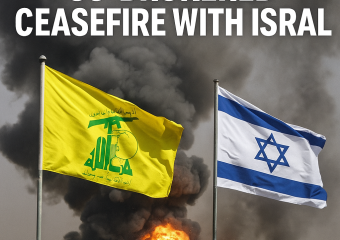
A recent report by RT indicated that discussions surrounding a potential agreement between Israel and Lebanon may compel Hezbollah to reassess its strategic posture. The complexities mount as the Lebanese government struggles with its internal divisions, a faltering economy, and the pervasive influence of Hezbollah. The argument posited by some sources, including Al Jazeera, is that Hezbollah’s continued presence not only destabilizes Lebanon’s political landscape but also hampers efforts for economic recovery and national unity.


International and Regional Perspectives
From an international standpoint, pressure is mounting for Hezbollah’s withdrawal as a means to facilitate peace negotiations and security arrangements in the region. Countries like the United States have long classified Hezbollah as a terrorist organization and advocate for a Lebanon free from its influence. This perspective is echoed in various reports from the RSS feeds indicating that Hezbollah’s engagement in military skirmishes, alongside its political maneuvers, complicates Lebanon’s relations with the West and its Arab neighbors.
Conversely, some argue that a unilateral withdrawal of Hezbollah could create a security vacuum filled by extremist factions or lead to a resurgence of Israeli military operations. This sentiment is reflected in some Lebanese political circles, which fear that eliminating Hezbollah’s military capabilities would endanger the very sovereignty they claim to protect. The nuanced opinions suggest that while withdrawal may seem desirable, the implications could be dire, raising questions about Lebanon’s internal security and political stability.
A Call for Dialogue
The crux of the dilemma is not just whether Hezbollah should withdraw, but what the terms of that withdrawal would entail. Many experts propose a comprehensive dialogue involving all stakeholders, including Hezbollah. Solutions could range from disarmament to integrating Hezbollah into a formal Lebanese defense structure under government control.
Hezbollah itself has expressed willingness for a negotiated resolution but remains adamant about its right to resist perceived aggressions, especially from Israel. This positions Hezbollah as a crucial player in the national dialogue, complicating the narrative of withdrawal as a straightforward solution. The Al Jazeera report highlights that any moves towards security agreements must prioritize sovereign rights and regional stability, calling for a balanced approach that includes Hezbollah’s perspective.
Conclusion
The prospect of Hezbollah withdrawing from Israeli-occupied Lebanon presents a layered challenge, rife with historical grievances, security concerns, and the complexity of local and international political dynamics. While many argue for an immediate withdrawal to enhance regional stability and national unity, the potential ramifications must be carefully weighed.
Compromise, dialogue, and a holistic understanding of Lebanon’s unique landscape are essential components for navigating this contentious issue. The path forward requires collaboration among all parties involved, ensuring that any steps towards withdrawal contribute positively to Lebanon’s future and diminish the volatility that has long plagued this fragile nation.