
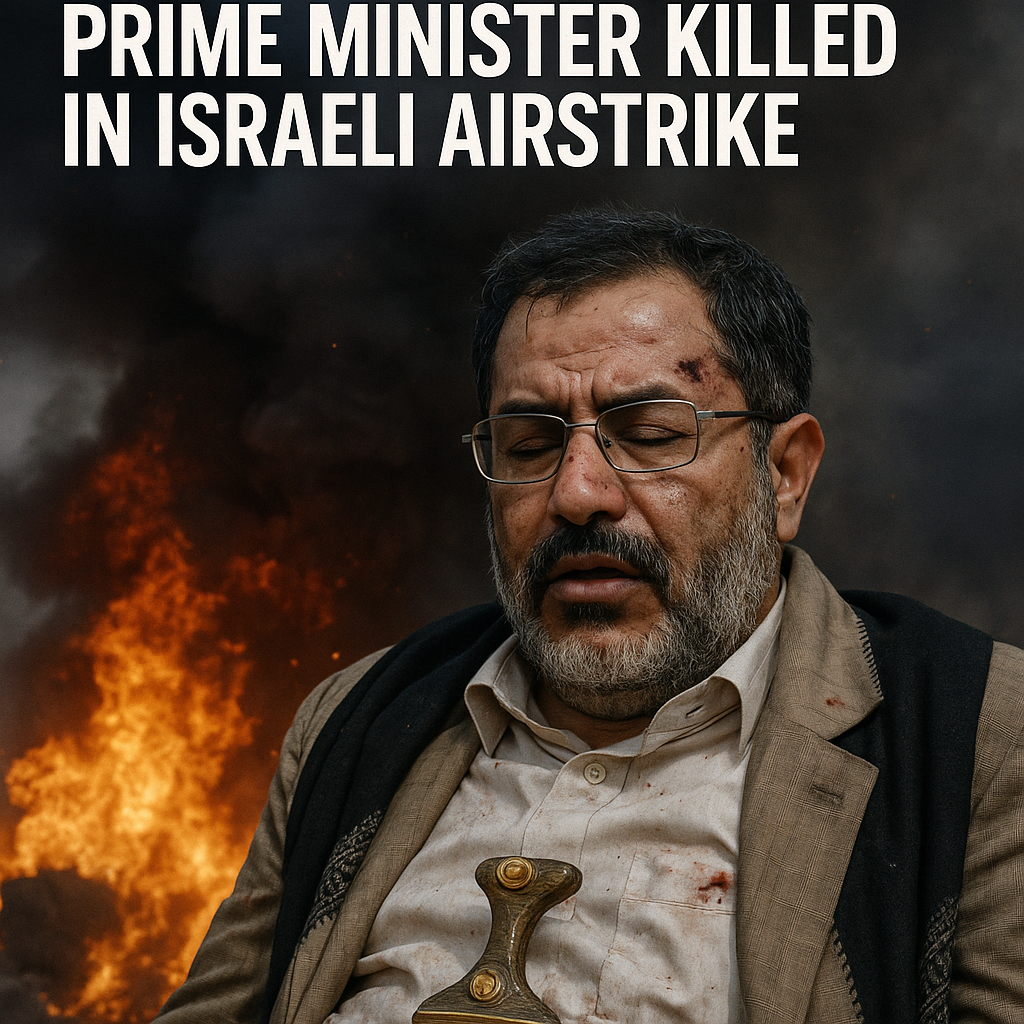
Houthi Rebel Prime Minister Killed in Israeli Airstrike

Houthi Rebel Prime Minister Killed in Israeli Airstrike
The recent killing of Houthi rebel Prime Minister Ahmed al-Rahawi in an Israeli airstrike has ignited intense discussions surrounding its implications for Yemen’s ongoing conflict and broader regional stability. This incident not only represents a significant escalation in the relationship between Israel and Iran-aligned factions but also sheds light on the complexities of international responses to conflicts in the Middle East.

Rationale Behind the Airstrike
Reports indicate that the Israeli military conducted the airstrike against al-Rahawi due to his extensive involvement in planning operations aimed at destabilizing its interests, particularly in the context of the Houthi’s increasing assertiveness in the region. Israeli Defense Minister Yoav Gallant has framed this action as part of a broader strategy to preempt threats posed by Iranian influence, particularly through proxy groups like the Houthis, who have been a consistent source of tension due to their missile capabilities and frequent attacks against Israeli targets.


In stark contrast, analysts from various international news outlets argue that such military operations may exacerbate tensions in an already volatile region. Al Jazeera quotes Middle Eastern experts suggesting that “Israel’s direct involvement in Yemen could provoke further retaliatory attacks against Israeli interests and heighten hostilities across multiple fronts.” This highlights the risk of an escalating conflict that could have regional ramifications, beyond the immediate surroundings of Yemen.


A Divergent Perspective on the Aftermath
The responses to al-Rahawi’s assassination diverge significantly across the geopolitical landscape. On one hand, Israel’s supporters view the airstrike as a necessary step to safeguard national security, particularly in light of increased military activities by the Houthis and their missile threats. This perspective is rooted in a broader narrative that connects Israel’s security concerns with those of Gulf Arab states facing similar threats from Iranian-backed groups.
Conversely, critics argue that such unilateral military actions are symptomatic of a dangerous trend that undermines international law and sovereignty. News reports have highlighted the strong condemnation from various international organizations, emphasizing that targeted strikes without broad support can lead to a cycle of violence that is difficult to contain. The Houthis themselves have vowed retaliation, signaling a potential for escalated hostilities that could entrap both local and foreign forces in a more protracted conflict.
Implications for Yemen and the Broader Region
The impact of this airstrike extends deep into the humanitarian crisis already prevalent in Yemen. With approximately 24 million people requiring assistance, analysts worry that renewed conflict will slow humanitarian efforts further compounded by existing blockade issues and infrastructure ravages caused by years of war. According to reports from RT, “the continued violence will inevitably delay much-needed aid and worsen the plight of civilians caught in the crossfire.”
Additionally, the power vacuum created by the assassination may lead to internal divisions within the Houthi movement, as factions vie for leadership and direction in light of this loss. There are concerns that radicals may push for even more aggressive stances against Israel and other perceived adversaries, thus complicating peace efforts facilitated by the international community.
Future Considerations
As the fallout from al-Rahawi’s death unfolds, the nature of regional geopolitics may shift in unexpected ways. The international community, particularly the United States and European nations, are left to grapple with an intricate web of alliances and adversities. Some analysts suggest that a recalibration of diplomatic efforts—including renewed dialogue about disarmament and stabilization in Yemen—could serve as a counterbalance to violence and promote lasting peace.
Conclusively, the assassination of Houthi Prime Minister Ahmed al-Rahawi represents more than just a singular event in a tumultuous conflict; it acts as a stark reminder of how localized conflicts can ripple out to influence broader regional dynamics. With differing viewpoints surrounding the legitimacy and implications of Israel’s airstrike, stakeholders must navigate the treacherous waters of diplomatic relations, security, and humanitarian needs in their quest for stability in Yemen and the greater Middle East.















