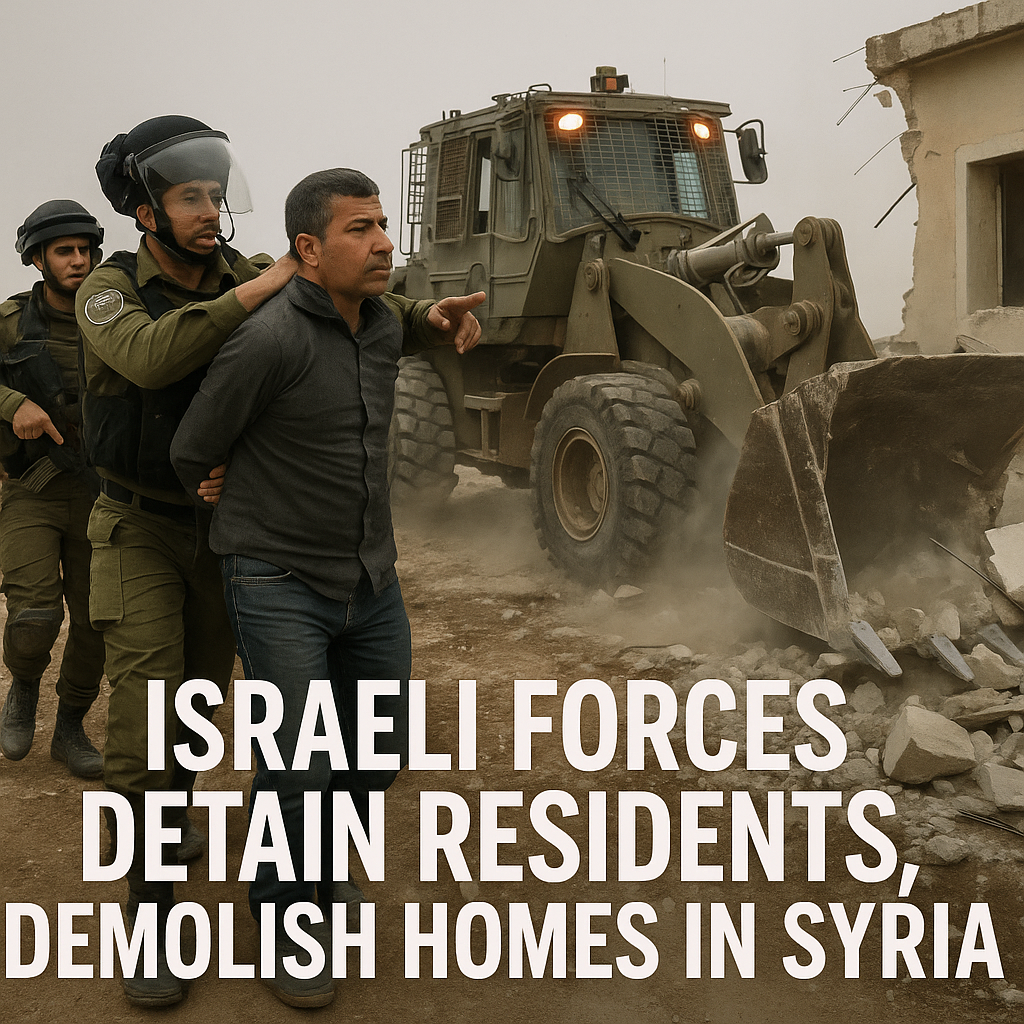
In the heart of southern Syria, escalating tensions have led to distressing headlines as Israeli forces detain residents and demolish homes, raising urgent humanitarian concerns amidst a backdrop of geopolitical turbulence. The situation not only affects those directly impacted but also paints a stark picture of the ongoing struggles faced by communities in a region fraught with historical complexities.
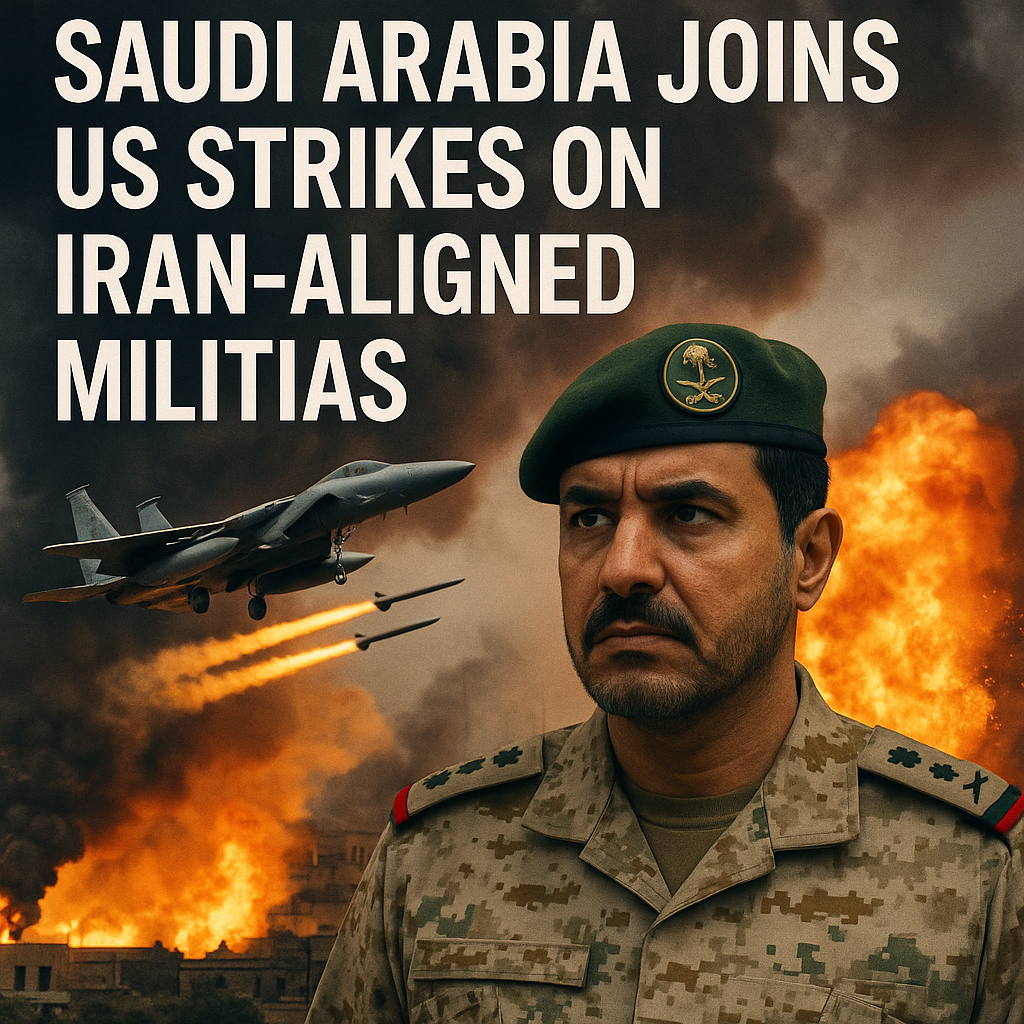
Saudi Arabias decision to team up with the US in striking Iran-aligned militias signals a dramatic shift in the Middle Easts security dynamics, emphasizing a commitment to regional stability and a united front against Iranian influence. This strategic collaboration not only reflects growing military ties but also sets the stage for a new era of interventionist diplomacy.
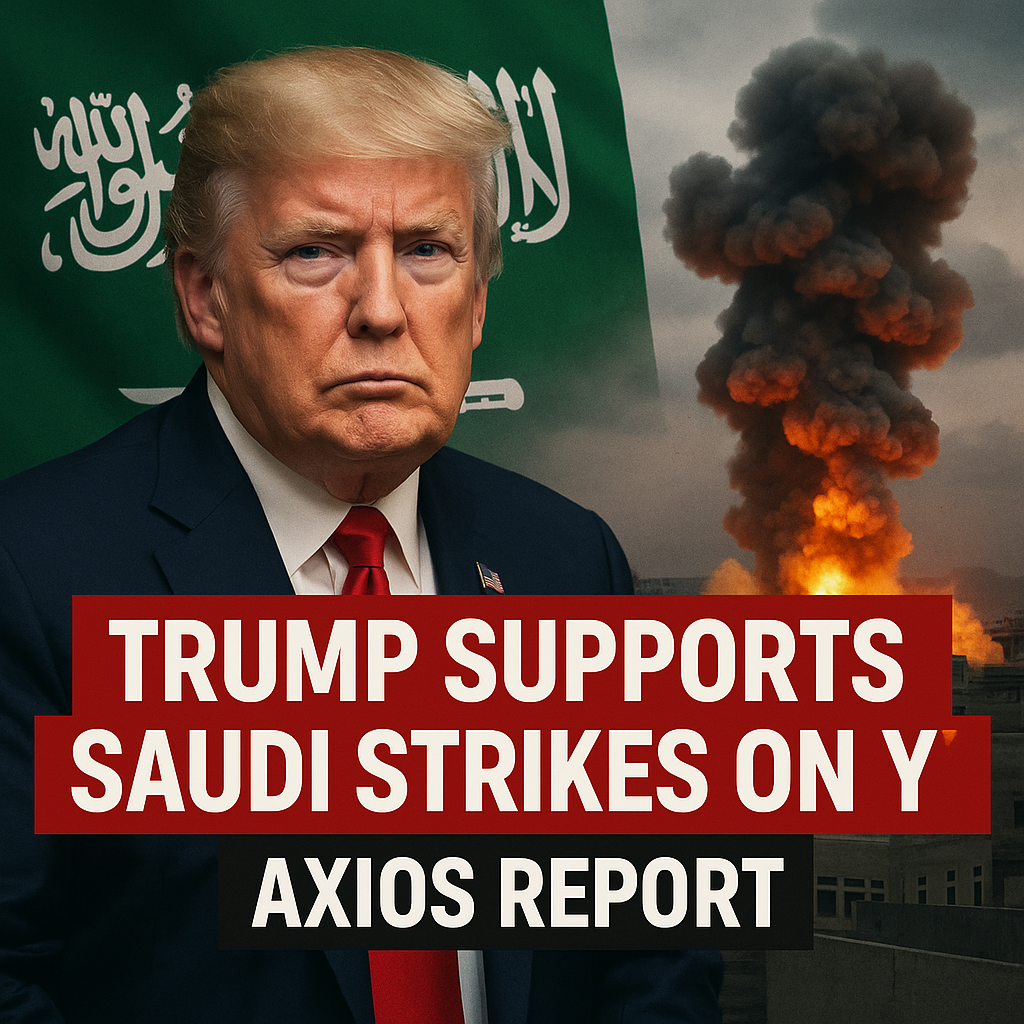
Former President Trump’s recent endorsement of Saudi strikes on Yemen shines a light on the tangled web of Middle Eastern politics, raising crucial questions about regional stability and humanitarian impacts. As tensions with Iran escalate, this support underscores the complexity of alliances and the dire need for a lasting political solution.
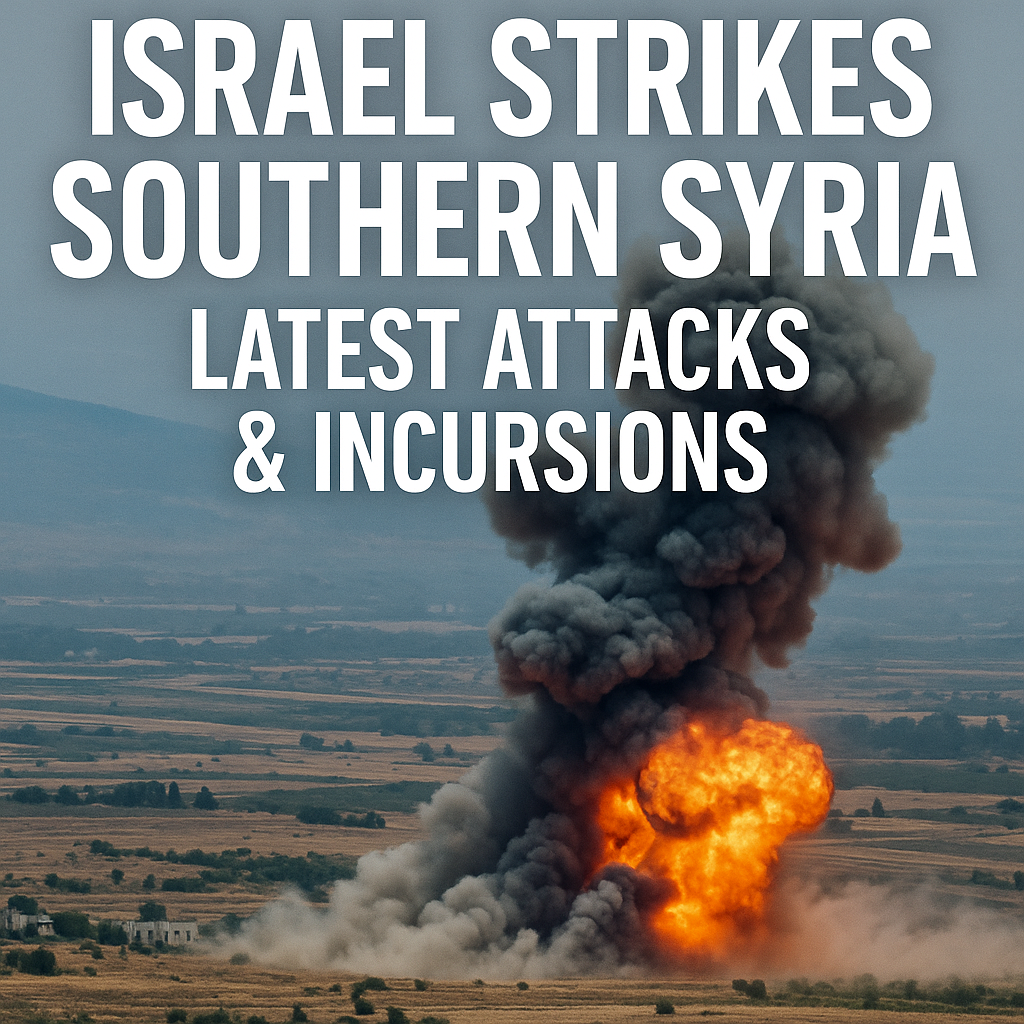
In the latest chapter of the Israel-Syria conflict, Southern Syria has become a flashpoint as Israel intensifies its military strikes against Iranian and Hezbollah targets—raising urgent questions about regional security, humanitarian impacts, and the delicate balance of power. Join us as we dive into the complexities and controversies of these ongoing operations!
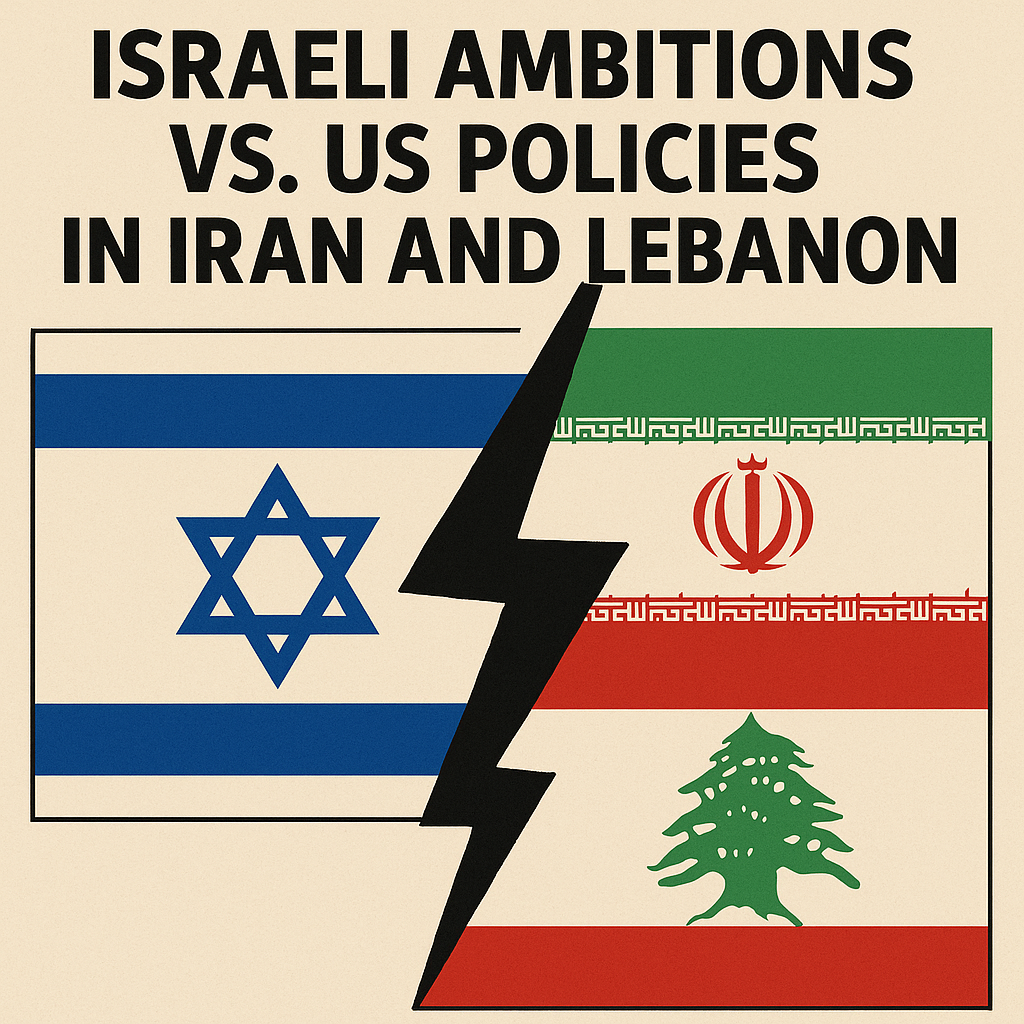
Dive into the complex clash of interests as Israels security ambitions collide with U.S. diplomatic strategies in Iran and Lebanon, revealing a high-stakes game of geopolitics that shapes the regions future!
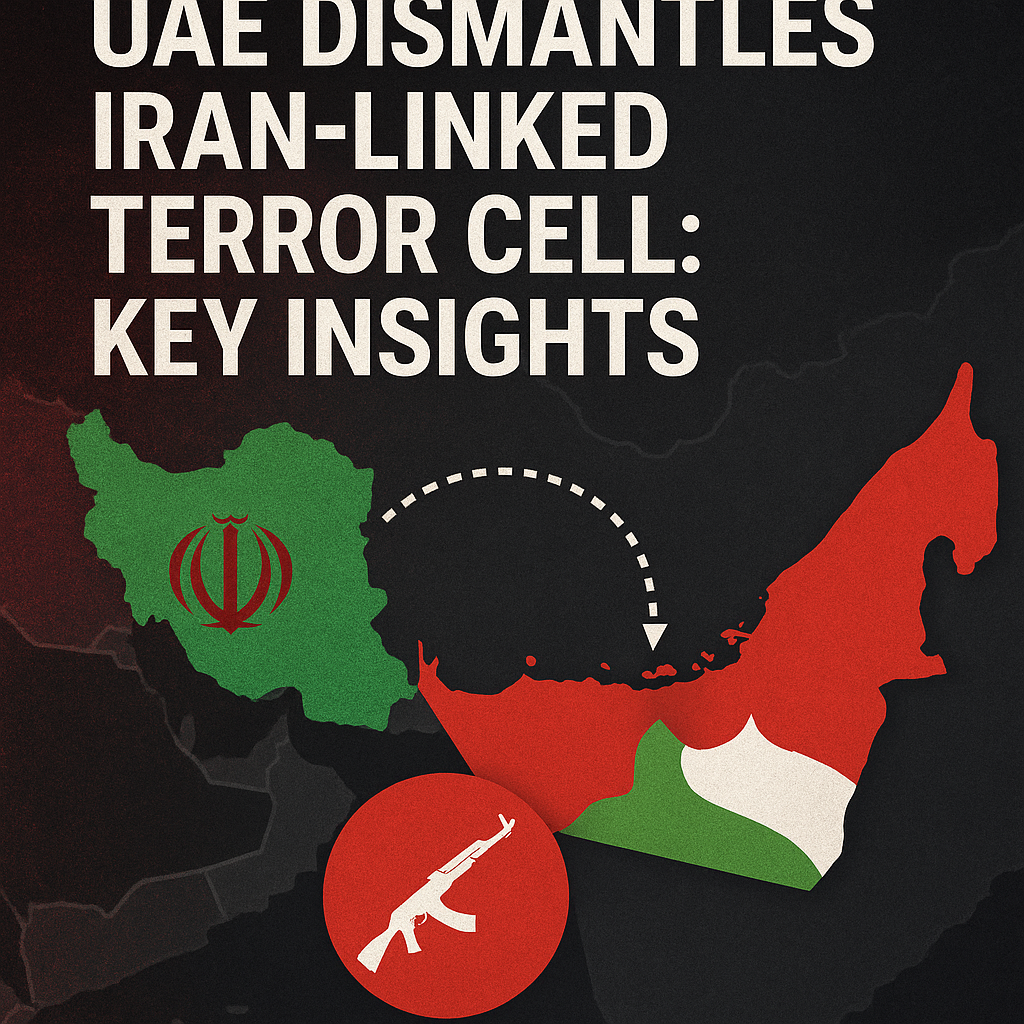
The UAEs recent action against an Iran-linked terror cell has sparked vital discussions on regional security and foreign relations, highlighting the intricate tensions in the Middle East. Stay tuned as we delve into the implications of this bold move and what it means for the future of stability in the region!
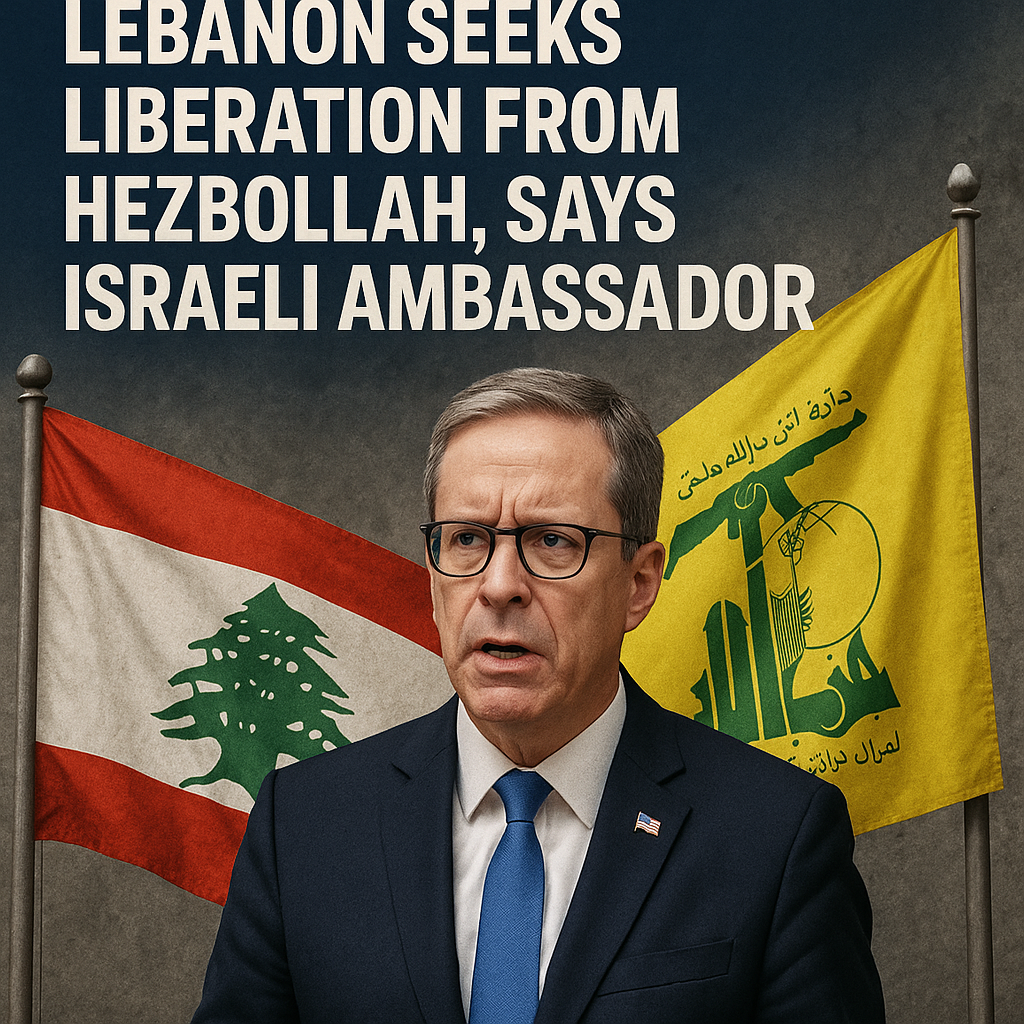
Lebanon is yearning for liberation from Hezbollahs grip, as the Israeli ambassador recently stated, igniting a vital conversation about sovereignty and national identity amidst its deepening economic crisis. With citizens fed up and a new wave of discontent rising, the call for change couldnt be more urgent!
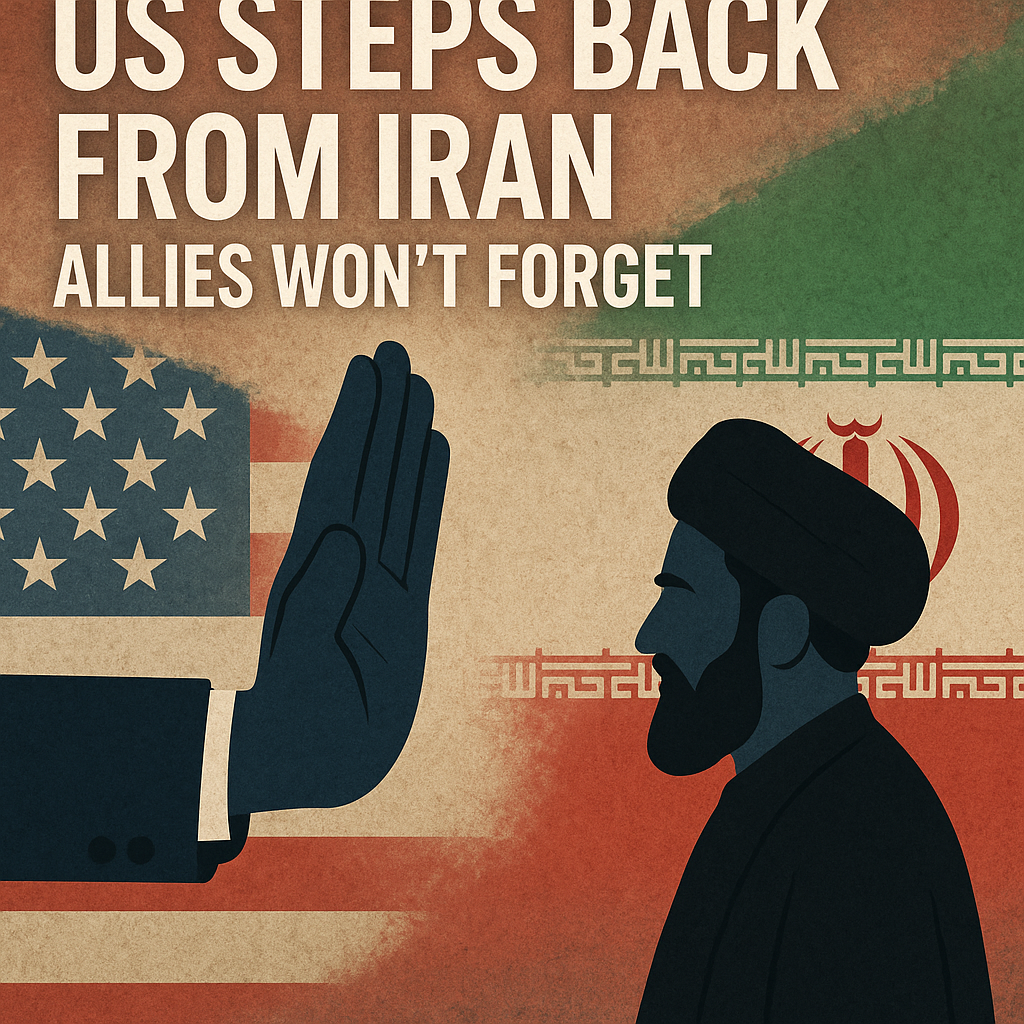
As the U.S. steps back from its role in Iran, a wave of re-evaluation is sweeping through its Middle Eastern allies—who may no longer take American leadership for granted. The shifting dynamics could reshape alliances, with nations like Saudi Arabia and the UAE actively seeking their own diplomatic avenues, highlighting a new chapter in regional strategy.
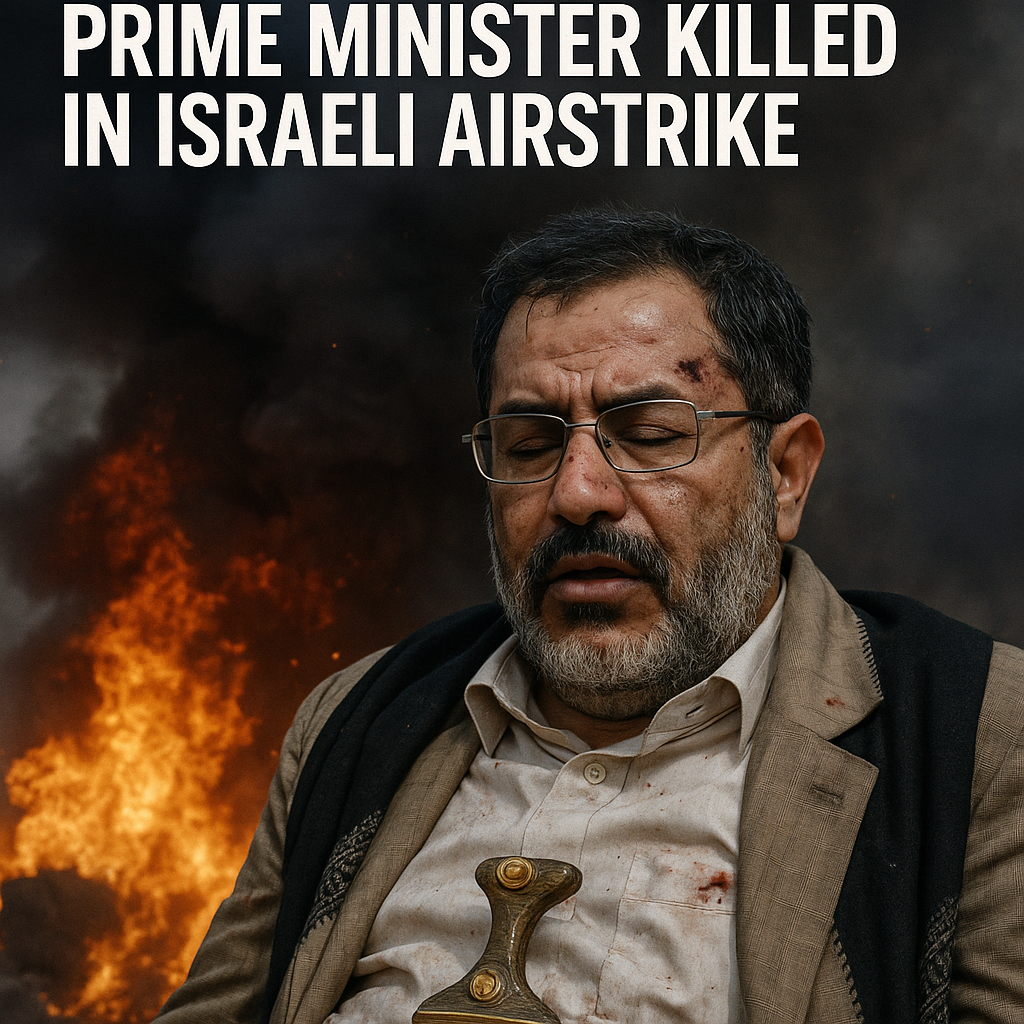
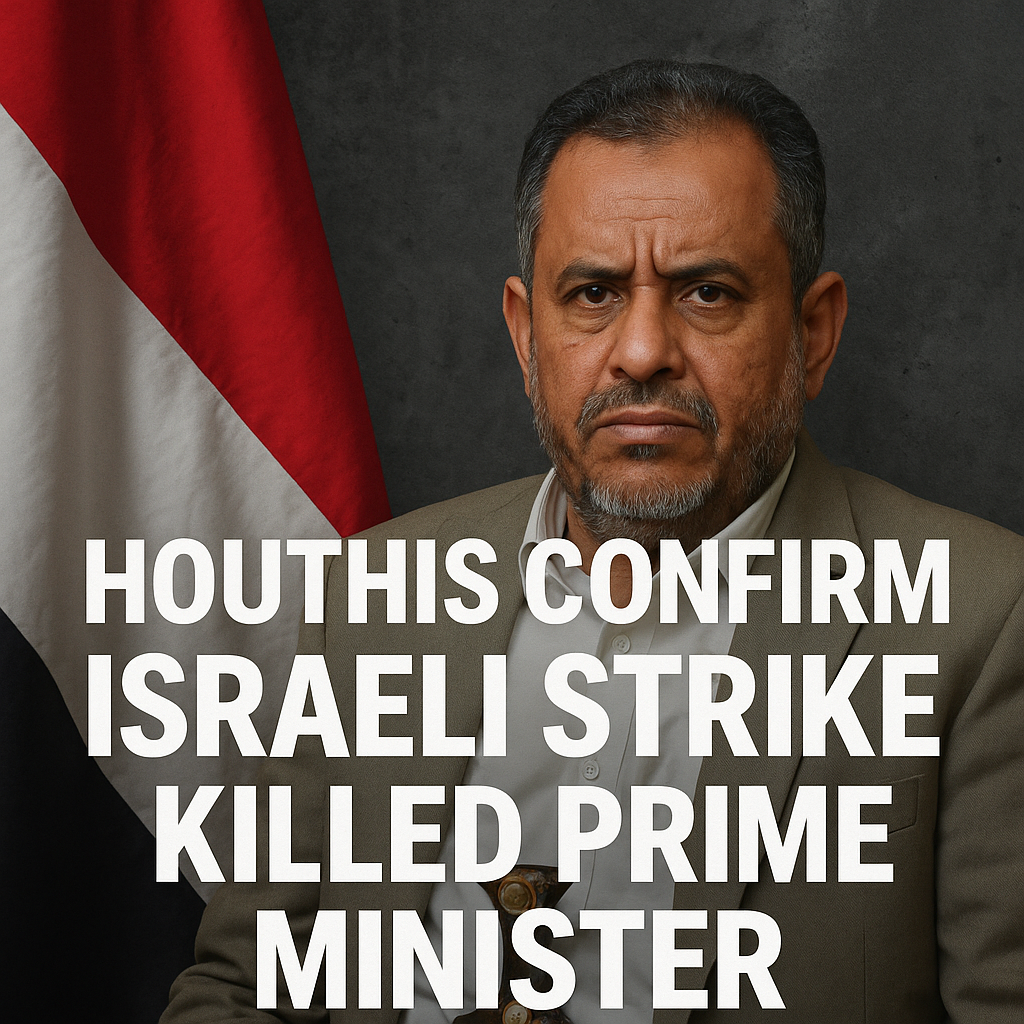
The killing of Houthi Prime Minister Ahmed al-Rahawi in an Israeli airstrike has sparked heated debates about its impact on Yemens conflict and regional stability, raising questions about the delicate balance of power in the Middle East. As tensions simmer, this pivotal moment could reshape the landscape for various factions and allies alike.
In a startling turn of events, Yemens Houthi movement has confirmed that an Israeli airstrike claimed the life of their Prime Minister, sending shockwaves across the region and igniting fierce debates about its far-reaching implications. As tensions escalate, the world watches closely—what does this mean for the ongoing conflict and the balance of power in the Middle East?