
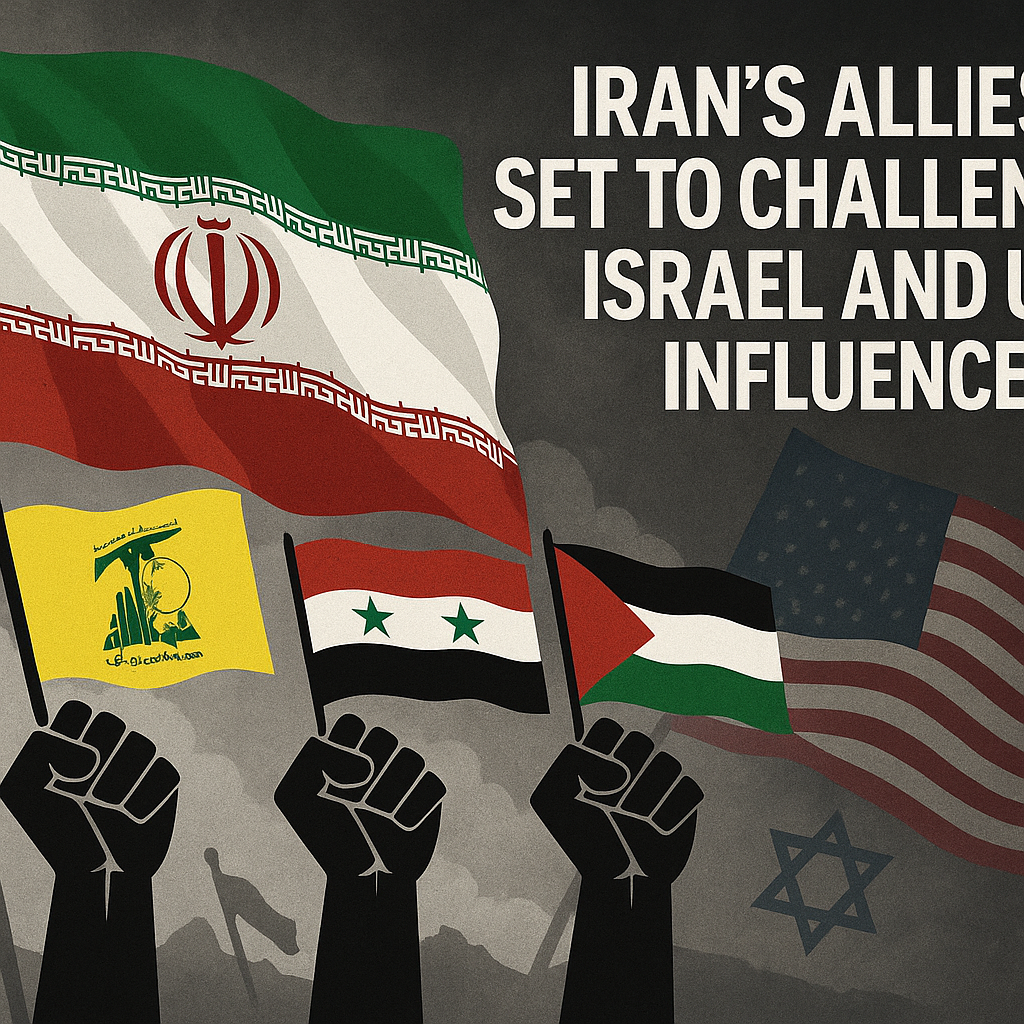
Iran’s Allies Set to Challenge Israel and US Influence

Iran’s Allies Set to Challenge Israel and US Influence
In recent months, geopolitical tensions in the Middle East have intensified, with Iran’s allies positioning themselves to challenge the influence of Israel and the United States in the region. This complex narrative involves not only military posturing but also intricate diplomatic maneuvering that highlights differing perspectives on security, sovereignty, and regional power dynamics.

The Geopolitical Landscape: A Shift in Alliances
The realignment of regional powers has become increasingly evident, particularly as geopolitical crises—ranging from energy disputes to security challenges—reshape alliances. Iran has been fortifying its relationships with key allies including Hezbollah in Lebanon, the Houthis in Yemen, and various militant groups in Iraq and Syria. According to reports from RT News, these alliances are heavily influenced by a shared animosity towards both Israel and U.S. interventionism in the region.


The Growing Cohesion Among Iran’s Allies
Reports suggest that Iran aims to form a united front, reflecting a concerted effort among these allies to check Israeli and American influences. For instance, the Houthis have recently escalated their military activities, prompting fears of wider conflict. An intelligence report cited by Al Jazeera indicates an increase in coordinated military drills among pro-Iran factions, suggesting a significant strategic shift towards offensive capabilities.


– Hezbollah’s Role: As a powerful Lebanese militia, Hezbollah serves as a critical extension of Iranian influence. Its leader, Hassan Nasrallah, has openly declared readiness to support Iran in any looming confrontation with Israel.
– Proxy Warfare: Iran’s approach often involves leveraging proxy forces, allowing it to maintain plausible deniability while spreading its influence.
– Regional Responses: Neighboring countries, particularly Saudi Arabia, have been compelled to reassess their security frameworks in light of these evolving threats.
The U.S. and Israel: Strategies Under Scrutiny
The united front presented by Iran’s allies forces both the U.S. and Israel to reevaluate their strategies in the region. Sky News highlights that Israeli military leadership is deeply concerned about the potential integration of drone warfare capabilities within these allied groups, emphasizing a dramatic shift in traditional military balances.
Diplomatic Isolation or Engagement?
The Biden administration has faced criticism regarding its approach toward Iran. While some argue for renewed diplomatic talks to curtail nuclear ambitions, others suggest a more robust military deterrence strategy. Critics note that previous sanctions and pressure tactics have not diminished Iranian aggression but rather intensified it, leading to stronger ties among its allies.
– Diverse Opinions on Engagement: Some U.S. lawmakers advocate for proactive dialogues, while others believe that Iran should face further isolation as a means to dismantle its burgeoning network of influence.
– Israel’s Preemption Strategy: Israel has committed to taking pre-emptive military actions to neutralize perceived immediate threats. This approach raises ethical questions about sovereignty and regional stability.
Conclusion: Navigating a Treacherous Path
The emerging dynamics involving Iran and its allies paint a picture of a complex and volatile future. As these nations position themselves against U.S. and Israeli interests, the potential for conflict escalates, spurring urgent calls for diplomatic engagement.
However, the deep-rooted sentiments and historical grievances complicate any straightforward resolution. While Iran’s support for its allies presents a formidable challenge to the status quo in the Middle East, the responses from Israel and the U.S. could further entrench the existing divides.
As this geopolitical situation evolves, continuous monitoring of these adversities will be crucial. Whether the world witnesses a military escalation or a return to diplomatic channels remains uncertain. Regardless, the stakes are high, and the balance of power in one of the world’s most volatile regions hangs in the balance.















