
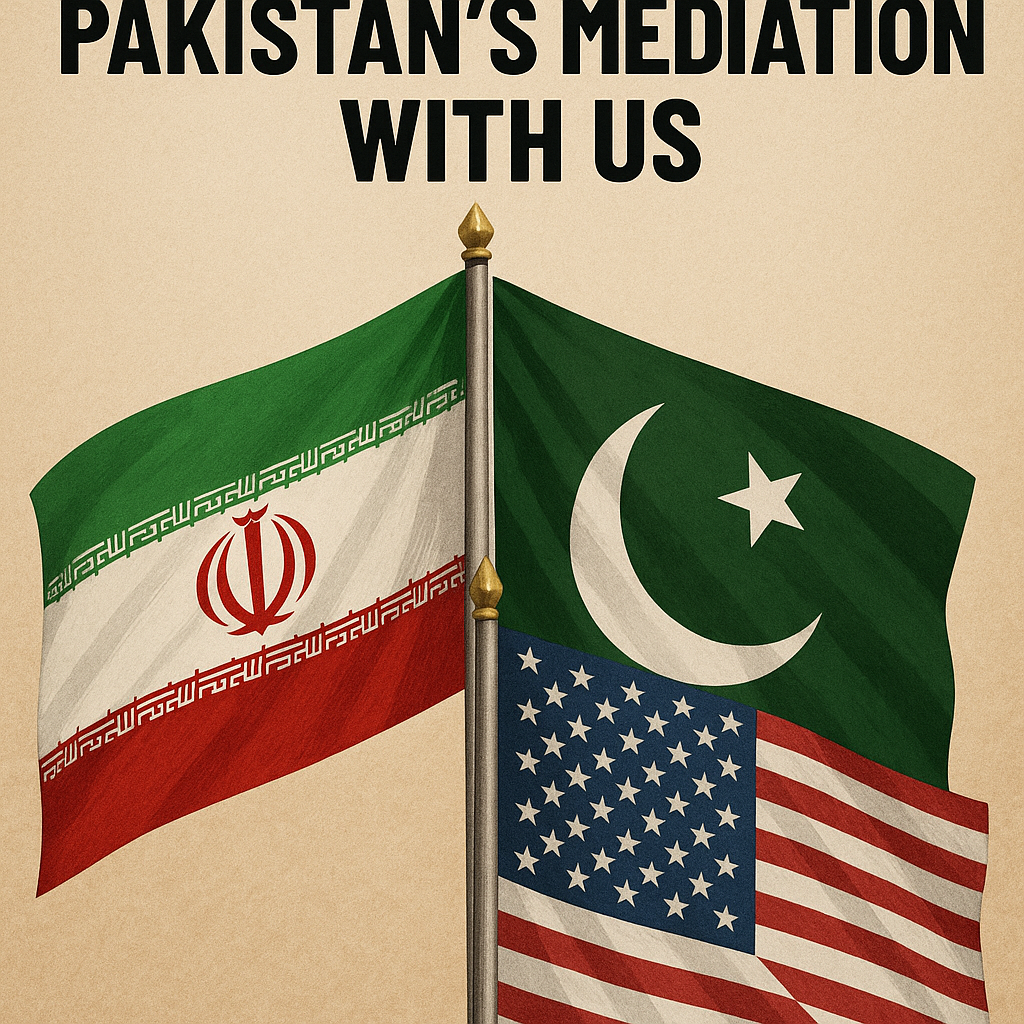
Iran Appreciates Pakistan’s Mediation with US

Iran Appreciates Pakistan’s Mediation with the US
Iran has publicly expressed its gratitude towards Pakistan for its role in facilitating dialogue with the United States. This development underlines the intricate geopolitical dynamics in the region and reflects ongoing efforts to mend strained relationships.

The Context of US-Iran Relations
Iran’s relationship with the United States has historically been fraught with tension, characterized by a series of conflicts and negotiations that have shaped both nations’ foreign policies. The recent appreciation for Pakistan’s mediation signifies a potential thaw in relations, albeit cautiously observed by critics who question the efficacy of such diplomatic efforts.


During a meeting in Tehran, Iranian President Ebrahim Raisi emphasized the importance of Pakistan’s mediating role. As reported by RT, Raisi stated, “We appreciate Pakistan’s efforts to bring Iran and the US closer.” This statement indicates a strategic acknowledgment of Pakistan’s position and a desire for potential rapprochement, though it doesn’t necessarily entail an immediate shift in policy from either Iran or the US.


Pakistan’s Diplomatic Role
Pakistan has historically acted as a facilitator in regional diplomacy, leveraging its relationships with both Iran and the US. The country serves as a bridge capable of fostering dialogue among nations that often find themselves at odds. Al Jazeera highlights that Pakistan’s leadership has advocated for a diplomatic solution to ongoing issues, suggesting that intermediaries can play a crucial role in addressing complex international relationships.
Insights from Regional Analysts
Analysts emphasize that while Iran’s gratitude is a positive step, tangible outcomes remain uncertain. Many experts caution against overly optimistic interpretations of Tehran’s expressions of goodwill. For instance, some analysts believe that Iran’s willingness to engage might be an effort to relieve economic pressure exacerbated by sanctions. Conversely, others argue that any dialogue would require significant concessions from the US, which might be challenging given the current political climate.
In a recent commentary, scholars pointed out the fluctuating interests of both nations; while Iran may be open to mediating discussions, structural obstacles such as the nuclear deal and sanctions remain poignant barriers. Analysts from both Al Jazeera and RT presented similar concerns, emphasizing the fragility of trust between these nations. The complexity of Iran’s domestic and foreign policy maneuvers ensures that any positive sentiment expressed towards Pakistan’s mediation may be more a reflection of Iran’s strategic positioning rather than an indication of an imminent breakthrough.
The Road Ahead
The situation calls for a nuanced understanding of how regional alliances function in the face of global pressures. Iran’s appreciation for Pakistan’s mediating efforts should not be viewed in isolation; it’s intertwined with larger international dynamics involving countries like China and Russia, both of which have expressed interests in a more stable relationship between Iran and the US.
A Dialectic of Encouragement and Skepticism
While the diplomatic opening is encouraging, it must be noted that substantial political and military agendas still shadow these discussions. For instance, the US’s firm stance on issues such as human rights and Iran’s nuclear ambitions remains a significant sticking point. Both sides are likely aware that without a change in these paradigms, any diplomatic engagement might lead to more of the same stalled negotiations.
Moreover, countries like Pakistan carry their own interests and considerations in the mix. Islamabad’s efforts can be seen as part of a broader strategy to assert its role as a regional mediator, further complicated by its relationships with various international stakeholders from the East and the West.
Final Thoughts
As Iran expresses appreciation for Pakistan’s mediation with the US, the diplomatic landscape remains one of cautious optimism mixed with skepticism. This development may pave the way for constructive dialogues, but only if both Iran and the US are willing to navigate the murky waters of geopolitical diplomacy. Ultimately, the key lies in recognizing the intricate interplay of regional alliances, historical grievances, and the ever-changing nature of international relations.
In conclusion, while Iran’s gratitude signals a willingness to engage, the complexities of diplomacy must not be underestimated. It highlights the role of mediators like Pakistan while also reminding us that progress in international relations can often be a marathon rather than a sprint.















