
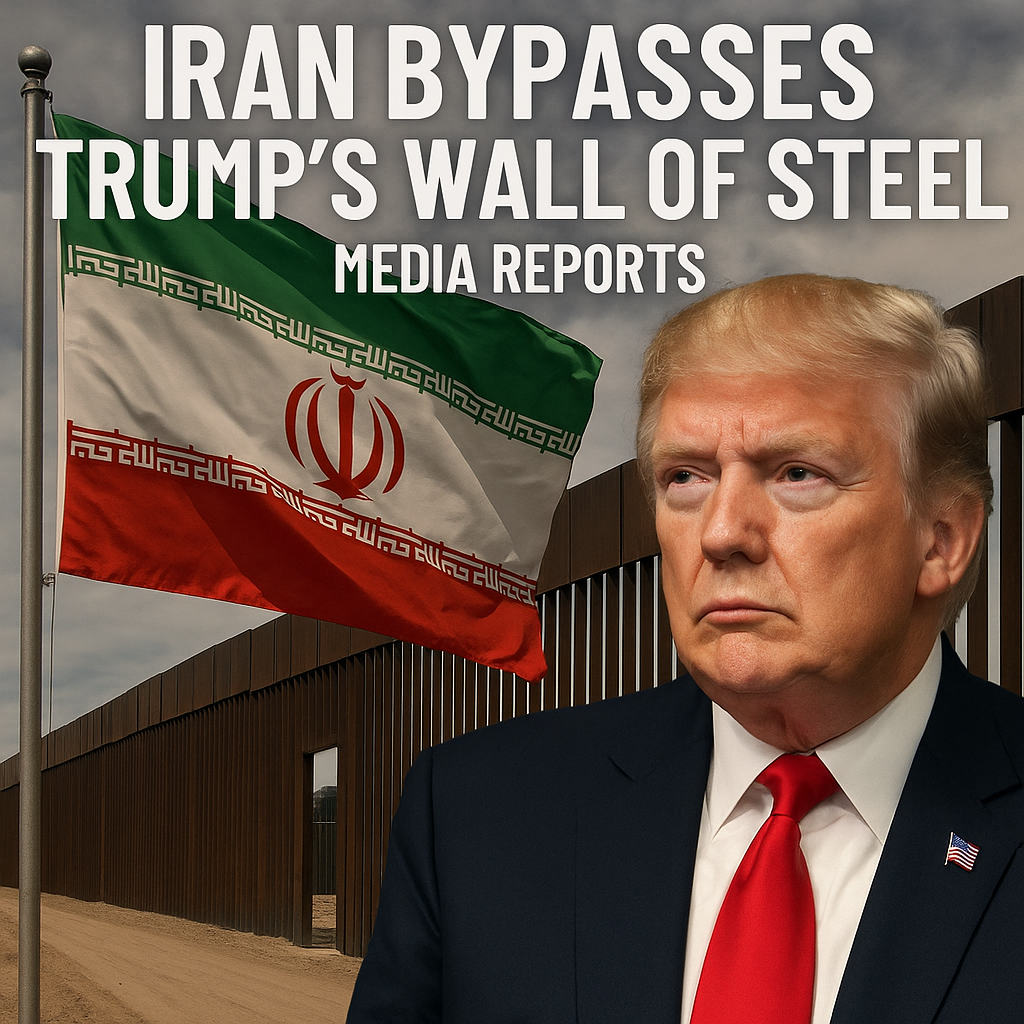
Iran Bypasses Trump’s Wall of Steel, Media Reports

Iran’s Response to Economic Sanctions: A Look at the Tanker Trade
Iran’s efforts to circumvent the economic restrictions imposed by the U.S. have become increasingly sophisticated, particularly through its naval operations. Recent reports indicate that Iran has successfully managed to bypass the stringent sanctions and maritime restrictions, often referred to as “Trump’s Wall of Steel.” This metaphorical wall aims to isolate Iran economically and restrict its access to global markets, especially in oil. However, a closer examination reveals how Iran is finding ways around these barriers.

The Dynamics of the Tanker Trade
In the face of relentless sanctions targeting its oil exports, Iran has turned to a variety of tactics to keep its economy afloat. According to recent reports from RT, the country has been employing tactics such as using disguised tanker fleets and docking at less conventional ports to continue its oil trade. Analysts suggest that this has allowed Iran to export significant quantities of oil to countries like China, often without detection.


Key Strategies in Oil Shipment:


– Freight Manipulation: Iranian vessels reportedly adjust their Automatic Identification System (AIS) signals to avoid detection. This technology, crucial for tracking maritime traffic, is manipulated to make their voyages seem innocuous.
– Alternative Ports: The use of third-party ports, particularly those in countries that have less stringent shipping laws, has also emerged as a key component of their strategy. This allows Iran to transfer oil from its tankers to others, effectively masking the true origin of the shipments.
Diverse Reactions and Implications
Reactions to Iran’s maneuvers vary significantly across the geopolitical spectrum. Some countries view these actions as provocative, while others recognize them as a logical response to the stringent sanctions imposed by Western nations.
Al Jazeera reports that this situation has heightened tensions in the Middle East, with accusations of Iran’s violations of international trading norms. The U.S. and its allies maintain that any oil shipments from Iran under the current sanctions regime are illegal. However, Iran refutes these claims, arguing they have the right to trade resources and bolster their economy, particularly when coerced by an adversarial economic blockade.
On the other end of the spectrum, some analysts argue that despite Iran’s apparent success in confounding sanctions, the long-term sustainability of its oil exports remains in question. As geopolitical tensions continue to escalate, regions reliant on Iranian oil exports are also at risk of facing retaliation from the U.S., potentially exacerbating existing tensions.
Possible Outcomes:
– Increased Naval Confrontations: Iran’s operations at sea may prompt increased military presence from the U.S. and allied forces in the Persian Gulf, creating a precarious balance.
– International Resolutions: As the dynamics shift, there is a potential for renewed international dialogue aimed at addressing underlying tensions, though such negotiations have often been fraught with complications.
Conclusion: A Complex Web of Sanctions and Defiance
Iran’s ability to navigate around what some have termed “Trump’s Wall of Steel” is emblematic of the broader challenges surrounding economic sanctions and international diplomacy. While the tactics employed by Iran showcase a determined effort to sustain its economy, they also raise questions about the efficacy of U.S. sanctions.
Continued scrutiny from the international community will likely define the next phase of this complex relationship. As Iran adapts its strategies, it remains to be seen whether its tactics can truly provide a sustainable avenue for economic lifelines or if they will provoke further geopolitical ramifications. The narrative surrounding Iran’s tanker trade serves as a reminder of the intricate balance between economic policy, state sovereignty, and global governance.















