
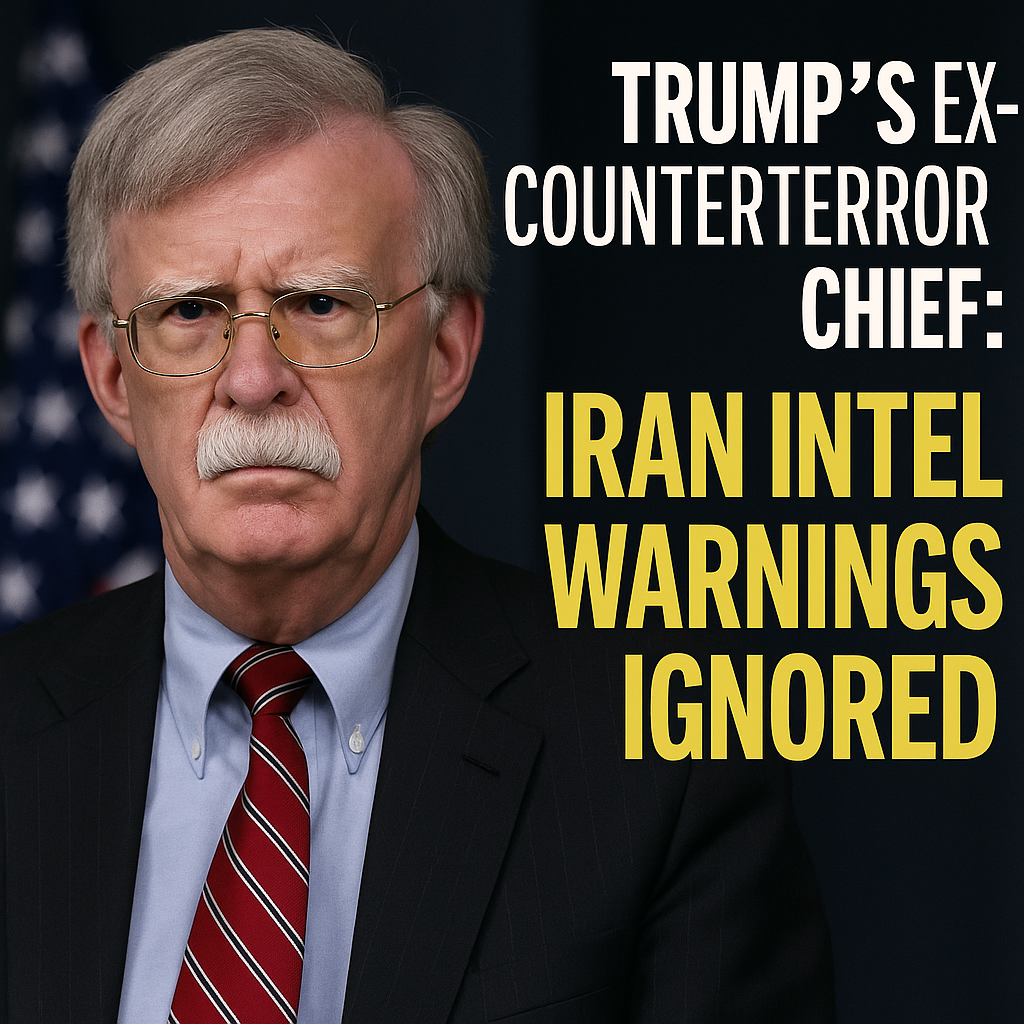
Trump’s Ex-Counterterror Chief: Iran Intel Warnings Ignored

Insights on Ignored Warnings About Iran: A Look at Trump’s Ex-Counterterror Chief’s Claims
The complex landscape of U.S.-Iran relations has again come under scrutiny, notably through the allegations that crucial intelligence warnings regarding Iran were overlooked by key government officials during the Trump administration. This assertion, primarily advocated by Trump’s former counterterrorism chief, highlights the ideological rifts and tactical decisions that have characterized the handling of Iran-related threats.

Diverging Perspectives on Intelligence Oversight
In a recent interview, former counterterrorism chief Richard Clarke asserted that significant intelligence insights concerning Iran’s aggressive maneuvers were not duly acted upon, setting the stage for potential escalations in U.S.-Iran tensions. Clarke’s claims come amidst rising concerns about Iran’s nuclear ambitions and its increasing military collaborations with proxy groups across the Middle East, particularly in Iraq and Lebanon.


Clarke’s warnings resonate amid reports indicating that Israel, a close ally of the U.S., has also expressed concerns about Iranian influence in the region. Sources from RT have pointed out that Israel perceives Iran as a direct threat, particularly given its ballistic missile programs and alleged military incursions near its borders. These fears have led to increased military readiness and intelligence exchanges between Israel and the U.S., aimed at countering perceived threats from Tehran.


Conversely, some analysts suggest that while Clarke’s warnings are critical, they are reflective of broader political tactics rather than actionable intelligence failures. An opinion piece in Al Jazeera contends that the complexities of intercepting and interpreting intelligence during tumultuous political climates often lead to misunderstandings. Some officials argue that decisions to overlook specific intelligence were based on a larger strategic framework, prioritizing military operations and diplomatic approaches over intelligence assessments that seemed less immediately actionable.
The Risks of Ignoring Intelligence
Drawing on diverse viewpoints, it becomes clear that the potential ramifications of sidelining intelligence on Iran could be severe. When intelligence warnings are minimized or ignored, the risks grow for unanticipated escalations. A failure to engage with the full spectrum of intelligence likely contributes to a mishandling of foreign policy — one that could lead to conflict in an already volatile region.
The Sky News report accentuates this risk, emphasizing the role of key decision-makers who may have chosen to prioritize rhetoric or political unity over the more complex realities presented by intelligence reports. This trend of disregarding cautionary intelligence highlights a historical pattern where aggressive posturing has overshadowed nuanced understanding, often at the expense of longer-term stability.
Moving Forward: The Path to Informed Policy
As discussions around the future of U.S.-Iran relations evolve, it seems essential for policymakers to take a more balanced approach to intelligence assessments. The complexities of geopolitics require consideration beyond immediate tactical advantages or nationalistic sentiments. Embracing a comprehensive intelligence framework that advocates for dialogue and diplomatic engagement with Iran could pave the way for more holistic solutions.
Furthermore, this situation underscores the importance of robust checks and balances within intelligence operations. Creating an environment in which warnings can be acted upon—a philosophy often championed by intelligence professionals—could prevent the mistakes of the past. By fostering an inclusive atmosphere for critical assessments, the U.S. can bolster its handling of threats from Iran and elsewhere, avoiding unnecessary escalations and focusing instead on strategic partnerships.
Conclusion: A Call for Comprehensive Engagement
In summary, the ramifications of ignoring intelligence regarding Iran’s activities highlight a need for better integration of intelligence within the strategic decision-making processes of government officials. While there are varying opinions on the extent and implications of these warnings, the general consensus calls for a recalibration of how foreign threats are assessed and addressed.
The potential for conflict remains, but through informed engagement and receptivity to intelligence insights, policymakers can better navigate the intricate web of U.S.-Iran relations. As we stand at a crossroads, it is imperative that lessons learned from the past guide us toward a future built on stability, diplomacy, and informed decision-making.















