
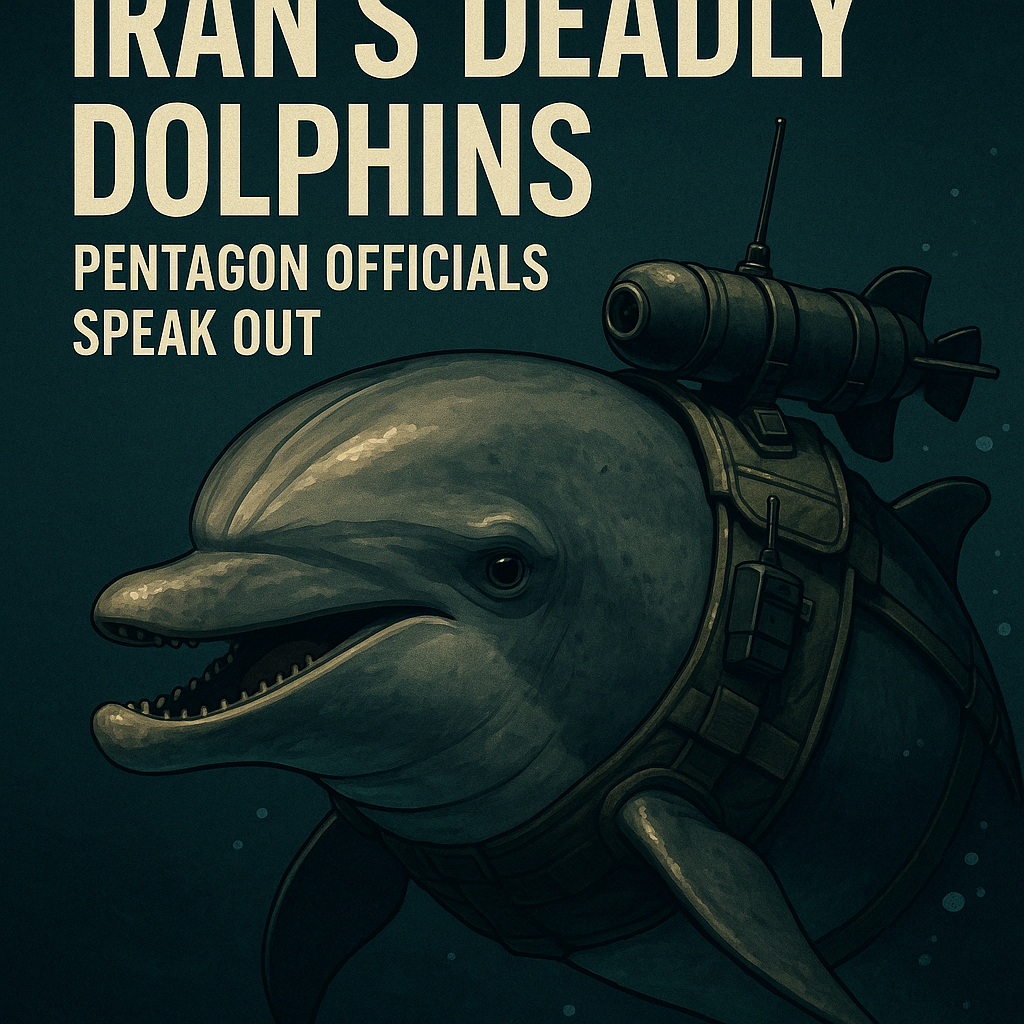
Iran’s Deadly Dolphins: Pentagon Officials Speak Out

Iran’s Deadly Dolphins: Pentagon Officials Speak Out
In recent months, discussions about Iran’s purportedly trained dolphins have surfaced, leading Pentagon officials to express their concerns about these marine mammals being utilized for potentially hostile activities. This controversial topic has sparked varied interpretations across news outlets, revealing a complex intersection of military strategy, animal behavior, and international relations.

Understanding Military Trained Dolphins
The idea of employing dolphins for military purposes is not new. Various navies around the world have integrated marine mammals into their operations, citing their natural sonar capabilities to detect underwater mines and enemy divers. Notably, the United States has employed bottlenose dolphins since the 1960s, claiming their superior ability to navigate and conduct searches in complex underwater environments.


Recently, reports have emerged suggesting that Iran has similarly trained marine mammals, dubbed in some circles as “deadly dolphins.” This phrase, while catchy, raises questions about the real scope and intention behind Iran’s marine animal initiatives. Sources from Al Jazeera highlight Pentagon officials’ unease regarding these developments, suggesting that these dolphins could be trained for surveillance or even attack missions.


However, military experts emphasize that while training dolphins is feasible, actual deployment for aggressive missions remains speculative. The operational logistics, safety protocols, and potential international fallout are significant variables impacting any real-world implementation.
Divided Opinions on Military Utilization
Pentagon personnel have voiced concerns about the potential for Iranian-trained dolphins to disrupt maritime security, particularly in the strategically crucial Gulf region. As highlighted by Sky News, the fact that Iran invests resources into such unconventional military assets signifies a preparedness to engage in asymmetric warfare, which could have unforeseen ramifications for regional stability.
Contrastingly, other voices in the discussion assert that while Iran’s military capabilities are increasing, the emphasis on dolphins may be overstated. Iranian military plans often include a wide array of technologies and personnel, and deploying trained marine mammals might not serve as a decisive factor in naval combat. RT News argues that sensational reporting can contribute to a misleading narrative, suggesting that the true threat of Iranian military ambition lies in more conventional realms, such as missile technology and naval expansion.
Implications for International Relations
The emergence of Iran’s “deadly dolphins” narrative carries significant geopolitical implications. Iran’s regional adversaries may perceive this development as part of a broader campaign to bolster its military might. The presence of trained dolphins, coupled with Iran’s controversial nuclear and missile programs, fuels an already precarious atmosphere in the Middle East.
For the United States and its allies, the challenge lies in addressing these unconventional threats without escalating tensions further. Military responses or sanctions targeting Iran over its marine training programs may provoke further hostility. Therefore, a balanced approach that includes diplomatic maneuvering and strategic surveillance could prove more effective.
Conclusion: A Balancing Act
The discourse surrounding Iran’s utilization of trained dolphins underscores a pivotal point in modern military strategies and the complex perceptions surrounding them. As both a reflection of shifting power dynamics and a manifestation of national pride, the implications of these marine mammals are far-reaching.
While there is a clear concern from Pentagon officials regarding the potential uses of these animals, the extent of their threat remains open to interpretation. This ongoing dialogue emphasizes the importance of analyzing military developments from a nuanced perspective, recognizing both the capabilities of emerging tactics and the often exaggerated narratives they inspire in the media. The future of military engagement, particularly involving unconventional assets like trained dolphins, will likely continue to invite scrutiny as international relations evolve.















