
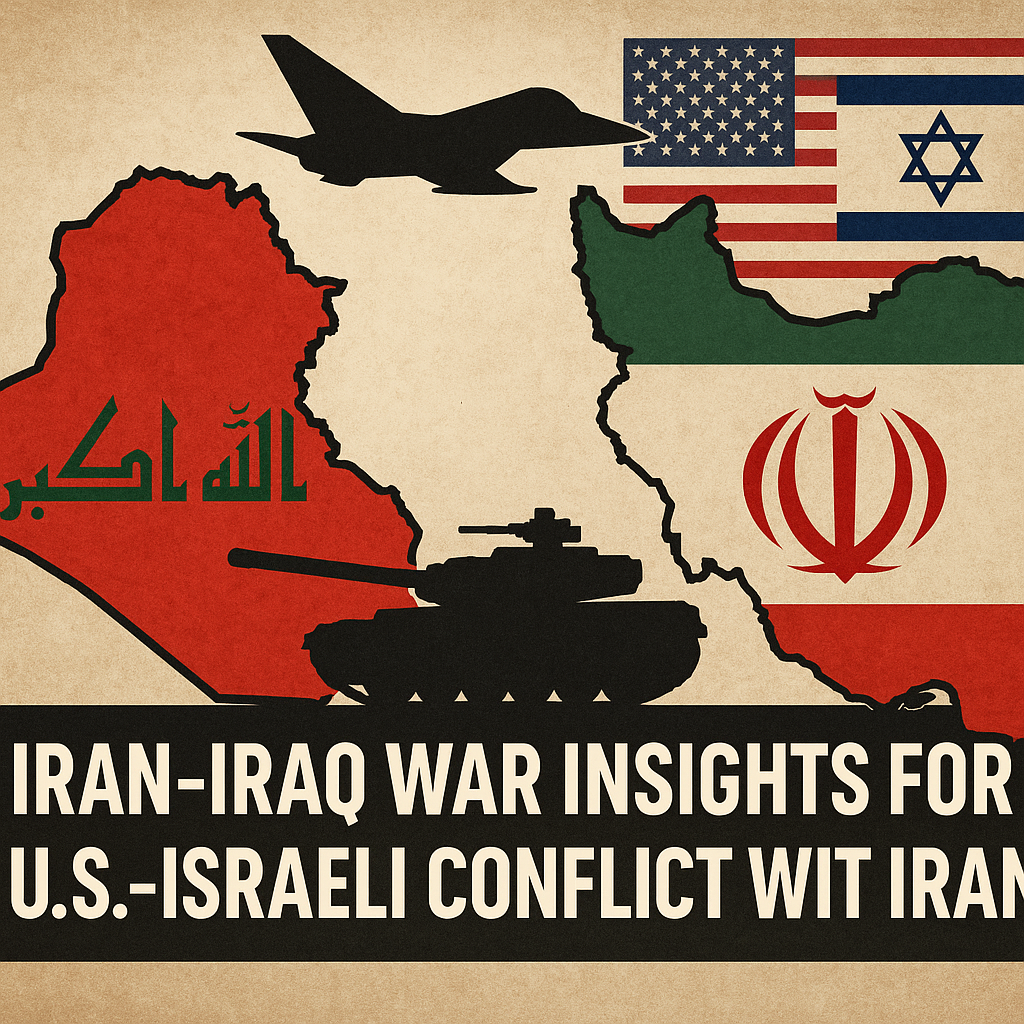
Iran-Iraq War Insights for US-Israeli Conflict with Iran

Iran-Iraq War Insights for US-Israeli Conflict with Iran
The Iran-Iraq War, a brutal conflict that lasted from 1980 to 1988, offers harrowing lessons that resonate with the current tensions involving the U.S., Israel, and Iran. Understanding this historical backdrop is vital to comprehending the complexities of contemporary geopolitics in the Middle East.

The Legacy of the Iran-Iraq War
A Historical Perspective
The Iran-Iraq War was marked by a staggering loss of life and an unprecedented humanitarian crisis, with estimates of casualties ranging from 500,000 to one million people. Both Iran and Iraq utilized chemical weapons, and extensive trench warfare devastated the landscape. This conflict was rooted in territorial disputes and deep-seated sectarian tensions, providing a poignant lens through which to examine present-day hostilities involving Iran.


One significant aspect to consider is the legacy of resilience that the Iranian leadership has touted post-conflict. Leaders in Iran have portrayed their victory in perseverance against a larger foe, Iraq, as a rallying point for national identity—something that extends into current hostilities, particularly with Israeli and American forces. The psychological and political ramifications of such a perspective cannot be overstated; Iran views its fortitude in the face of adversity as a symbol of strength, bolstering anti-Western sentiments.


Conversely, for Israel and the U.S., their interests in the region historically focused on preventing Iranian hegemony. The Iranian threat today is often framed within the context of past hostilities, with Israeli defense policies emphasizing preemptive strikes and intelligence operations to thwart perceived Iranian aggression.
Echoes of Conflict: Lessons for Current Geopolitics
The Iran-Iraq War illustrates how prolonged conflict can instill a culture of militarization and dissent in a society. Iran has strategically fortified its military capabilities, investing in missile technology, proxy groups, and asymmetric warfare to deter external threats, which has increasingly alarmed both the U.S. and Israel.
From this perspective, the U.S.-Israeli conflict with Iran is not merely about nuclear capabilities—though that remains a central issue—but about control over the broader regional power dynamics. The lessons from the Iran-Iraq War arguably feed into both Iran’s defensive posture and the adversarial roles the U.S. and Israel find themselves in.
Divergent Views: The International Landscape
U.S. and Israeli Strategies
In light of these historical insights, one can observe that both the U.S. and Israel are advocating for a multi-faceted approach toward Iran. The U.S. has sought to realign its partnerships in the region, strengthening ties with Gulf Arab states while approaching Iran with a combination of diplomacy and economic sanctions. Such strategies may seem prudent; however, they inadvertently echo the immense uncertainties that characterized the Iran-Iraq War. The unintended consequences of action taken in the name of peace can lead to further escalations, reminiscent of the chain reactions observed during the 1980s conflict.
On the Israeli side, Prime Minister Netanyahu has famously prioritized intelligence-gathering operations and military readiness to counteract Iran’s influence. The pursuit of preemptive strikes and vigilant surveillance reflects a longstanding doctrine of deterrence, present since the times of the Iran-Iraq War. The fear remains that a miscalculation on either side could spiral into broader conflict, with the potential for significant civilian casualties and regional destabilization.
Perspectives from Different Regions
Meanwhile, regional perspectives vary significantly. Some nations, particularly within the Gulf Cooperation Council (GCC), view the Iranian threat as immediate and pressing. Yet, others see the U.S.-Israel’s stance as potentially overinflated, advocating for a dialogue that prioritizes negotiation over militarization. In this polarized environment, one can see the potential for both collaboration and conflict, underscoring the delicate nature of diplomacy in the contemporary Middle Eastern tapestry.
Diverging attitudes towards Iran also characterize internal debates in the U.S. and Israel. While hardliners call for unwavering confrontation, others advocate for diplomatic engagements reminiscent of the Joint Comprehensive Plan of Action (JCPOA) negotiations. This internal discord highlights a key uncertainty: will history repeat itself, or can new strategies pave the way for lasting peace?
Conclusion: Navigating an Uncertain Future
The insights gleaned from the Iran-Iraq War serve as a cautionary tale for current U.S.-Israeli relations with Iran. The enduring legacy of conflict and resilience remains a powerful component of Iran’s national narrative, complicating diplomatic efforts from opposing sides.
The international landscape is rife with both opportunities and challenges; however, the lessons from history indicate that care must be taken to navigate the intricate dynamics of power. As the U.S. and Israel reassess their strategies, the aim should be a nuanced approach that acknowledges the complexities of Iran’s regional aspirations and historical grievances.
By embracing the lessons of the past while striving for a more peaceful future, nations might chart a course that avoids the violent patterns of history—a challenging, yet vital endeavor.















