Iran Peace Deal Sparks Outrage Among Israeli Officials

Iran Peace Deal Sparks Outrage Among Israeli Officials
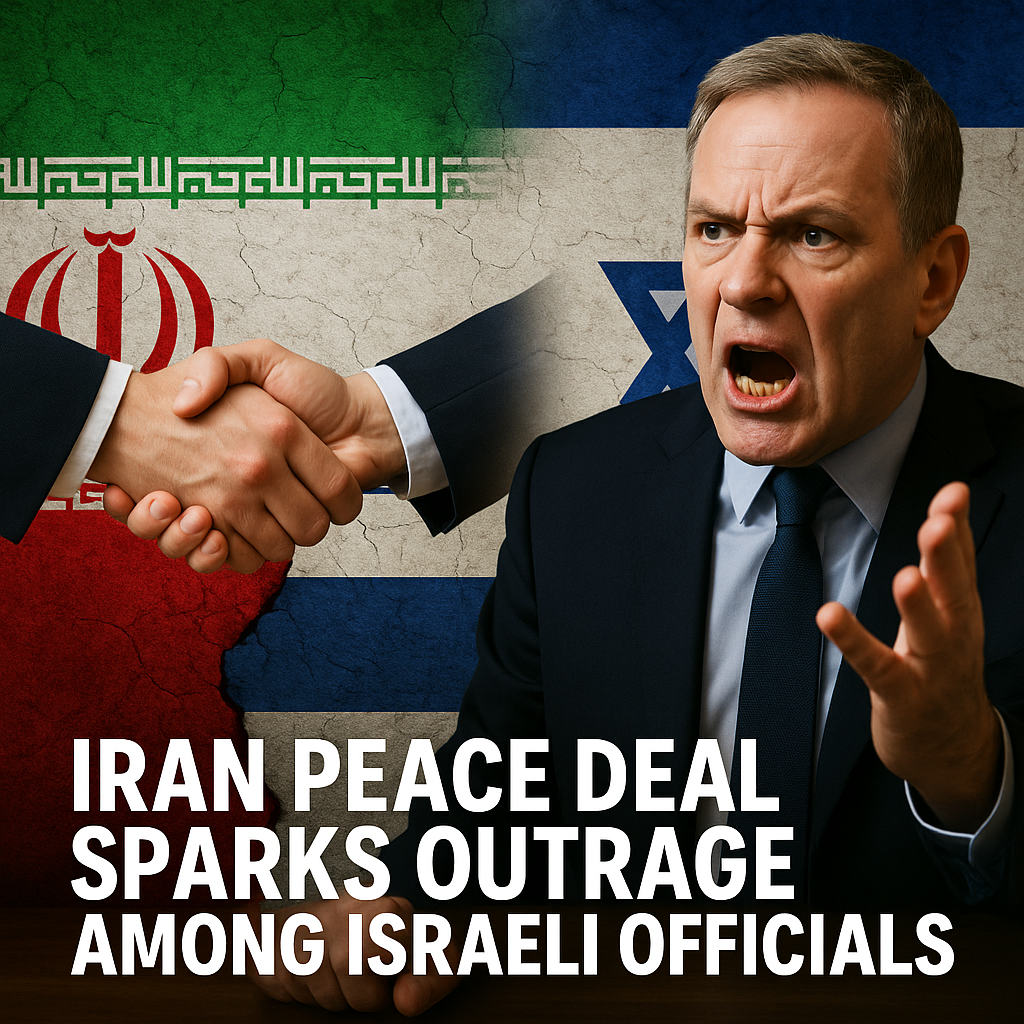
The recent news of a potential peace deal involving Iran has stirred significant controversy, particularly among Israeli officials. While proponents hail the agreement as a step towards regional stability, Israeli leaders express profound concern, contending that such a deal could undermine their national security. The complexity of the situation reflects a broader tension that has long characterized Middle Eastern geopolitics.

Diverse Perspectives on the Peace Deal
On one side of the debate, supporters of the peace agreement argue that diplomatic engagement is a preferable alternative to escalating military tensions. Recent discussions emphasize the potential for renewed dialogue, aimed at reducing hostilities not just between Iran and Israel, but across the region. Proponents suggest that building alliances and fostering cooperation could pave the way for long-term stability.


Conversely, Israeli officials vehemently reject this viewpoint, viewing the peace deal as a direct threat. In a recent commentary, Israeli Prime Minister Naftali Bennett articulated his government’s position, stating, “President Biden’s administration has effectively abandoned Israel by pushing such a deal.” This sentiment reflects a broader concern within Israeli leadership that any rapprochement with Iran could embolden Tehran, especially regarding its nuclear ambitions and support for militant groups across the region.


Furthermore, data emerging from various intelligence assessments indicates a growing apprehension in Israel regarding Iran’s influence in neighboring countries. According to reports, Iranian proxies have been stepping up activities in Lebanon and Syria, leading many Israeli analysts to argue that any deal could inadvertently strengthen these groups, making the region even more volatile.
Implications for Regional Stability
The implications of a peace deal with Iran extend far beyond just Iran-Israel relations. If successful, it could set a precedent for other countries in the region to engage in diplomatic relations. Some experts contend that establishing a negotiating framework could lead to broader cooperation against shared threats such as terrorism and authoritarian regimes.
However, there is a palpable fear that the current Israeli administration might find itself increasingly isolated should it reject the deal entirely. European nations and other global powers seem inclined toward finding common ground with Iran, reflecting a shift in a long-standing narrative that aligns more closely with ongoing diplomatic overtures.
While voices in the international community urge patience and continued dialogue, the stakes remain high. Experts suggest that a failure to address Israeli security concerns and align them with Iranian interests could derail the peace process almost before it begins. The risk of further escalation, whether through military engagement or by other means, remains a formidable challenge.
The Road Ahead: Uncertainty and Compromise
The road to a comprehensive peace deal appears fraught with uncertainty. While many in the global community advocate for a pathway to dialogue, Israeli concerns about Iran’s strategic ambitions are unlikely to dissolve quickly. Indeed, growing anti-Iran sentiments could push Israeli leaders to adopt more aggressive postures.
Significantly, Israeli officials have indicated that they are exploring alternative strategies to counterbalance the perceived threat. This includes bolstering military alliances with countries like Saudi Arabia and the United Arab Emirates, which also have deep-seated mistrust of Iran. The narrative of isolation may shift if these alliances strengthen.
In conclusion, the potential Iran peace deal encapsulates a convergence of interests and alarm bells ringing throughout the Middle East. The complexities of the situation require nuanced engagement, where all parties acknowledge their stakes. As diplomatic conversations unfold, the need for a balanced approach that prioritizes both security and dialogue will be more critical than ever. Whether a resolution can emerge that satisfies all involved remains an open-ended question, steeped in the uncertainties of international relations.