Israeli Strike Hits Journalist Reporting in Lebanon

Israeli Strike Hits Journalist Reporting in Lebanon

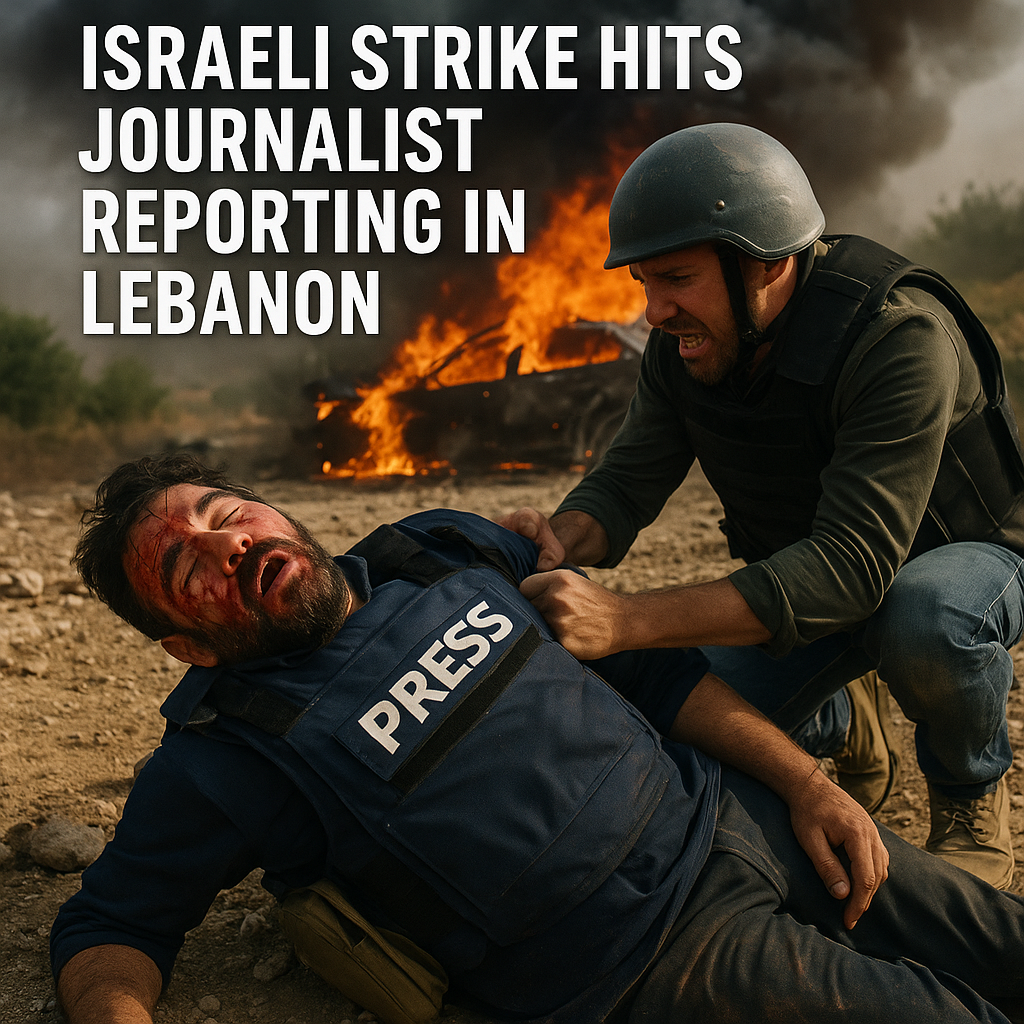
The recent Israeli strike on a journalist while covering the ongoing situation in Lebanon has sparked widespread concern and debate over the safety of press workers in conflict zones. This incident highlights the precarious position journalists face, especially in regions experiencing heightened tensions.


Context of the Conflict
Lebanon has a complex history intertwined with both internal strife and external influences, particularly involving Israel. The current tension stems from ongoing skirmishes along the Lebanon-Israel border, a flashpoint that has seen its fair share of violence in recent years. As a result, journalists have found themselves at the frontline, tasked with reporting developments while navigating both physical dangers and potential censorship.


According to reports, the journalist in question was struck while covering clashes and the ensuing chaos in the border region. This strike is not an isolated incident; rather, it embodies a broader trend where reporters often face risks while attempting to provide objective coverage. Engaging in journalism within a conflict zone raises numerous questions, particularly concerning the ethics of reporting from areas where military operations are ongoing.
Risks and Responsibilities of Reporting in Conflict Zones
Journalists operating in these regions take on immense risks, motivated by the imperative to inform the public. Many news organizations have robust safety protocols in place, but armed conflicts can quickly escalate, rendering such measures insufficient. Furthermore, the very act of reporting can make journalists targets.
– Safety Protocols: Media companies increasingly invest in training their staff on safety and risk mitigation. This includes understanding how to navigate conflict zones, identify safe locations, and employ strategic communication methods.
– Legal Protections: While international norms exist regarding the safety of journalists, enforcement varies. Articles and resolutions by organizations such as the United Nations and Reporters Without Borders emphasize the need to protect journalists, yet adherence to these guidelines often falls short, especially in politically volatile regions.
The strike that hit the journalist in Lebanon raises concerns about the implications for media freedom and the protection of journalists. Many advocates argue that attacks on the press serve to undermine democracy, silencing critical voices and depriving the public of essential information during tumultuous times.
Diverse Perspectives on Journalistic Safety
Responses to the incident vary within the international community. Some observers stress the need for increased measures to protect journalists specifically in conflict zones. They warn that without accountability for attacks on the press, similar incidents will likely continue. Organizations like the Committee to Protect Journalists have long argued for harsher penalties against countries that fail to protect reporters, and they demand more systematic reporting of violations against press workers.
Conversely, some voices caution against overly politicizing the incident. They argue that while safety is vital, it should not deter journalists from fulfilling their roles in covering sensitive issues. The case in Lebanon serves as a stark reminder that journalists are there to document, inform, and sometimes bear witness to the human cost of conflict—a duty that carries inherent risks.
Conclusion: The Need for Robust Protections and Ethical Practices
The Israeli strike on a journalist in Lebanon underscores the fragile state of press freedom amidst ongoing conflict. It affirms the urgent need for robust protections for journalists worldwide. As media plays a critical role in shaping public perception and accountability, ensuring the safety of its practitioners becomes not just an ethical obligation but a necessity for democratic societies.
In facing these challenges, it is essential for the international community to foster environments where journalists can operate freely without fear of aggression. This incident serves as a clarion call, emphasizing the need for ongoing dialogue about the responsibilities of both nations and media organizations in protecting those who serve as the watchful eyes of the world.