
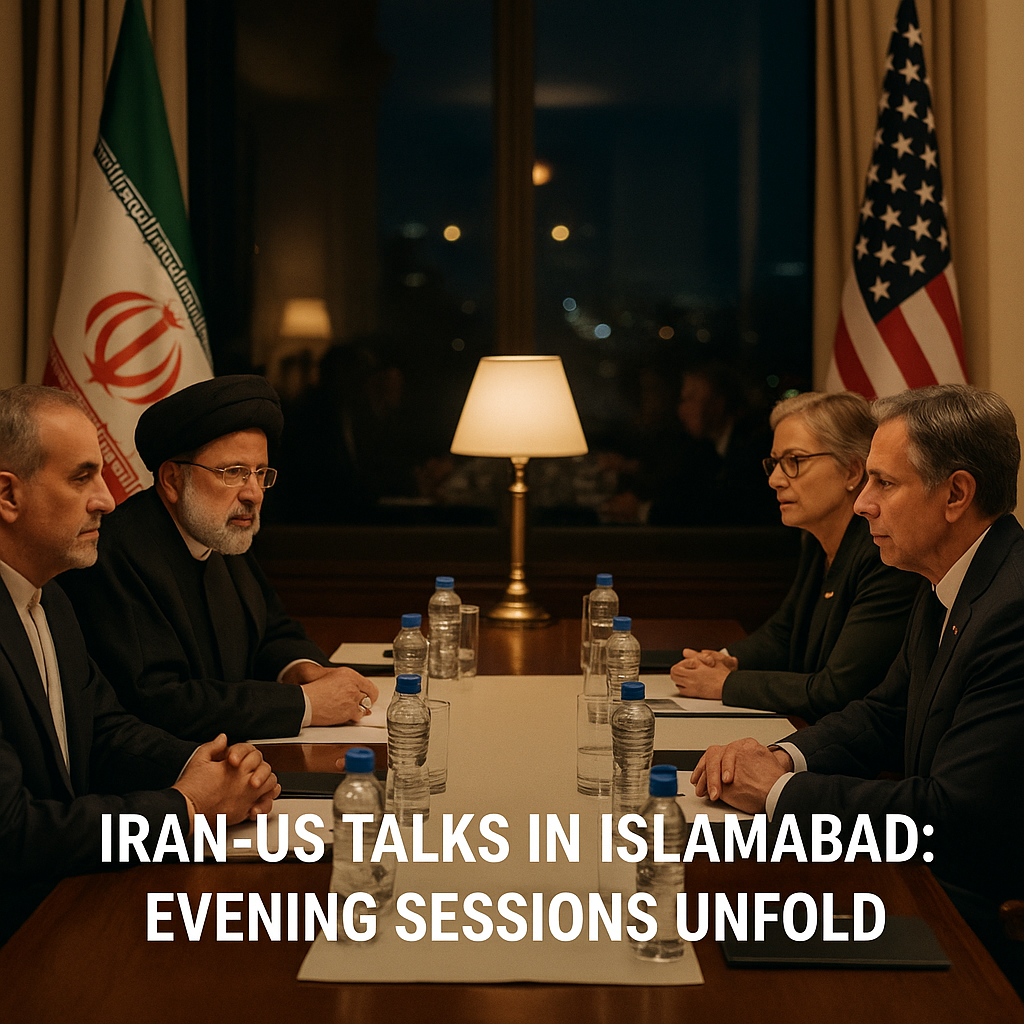
Iran-US Talks in Islamabad: Evening Sessions Unfold

Iran-US Talks in Islamabad: Evening Sessions Unfold
Recent diplomatic discussions between Iran and the United States, held in Islamabad, have drawn significant attention as both nations explore pathways to stabilize their tumultuous relationship. The talks are a crucial step toward addressing longstanding tensions, particularly concerning Iran’s nuclear program and regional influence.

Context of the Talks
The backdrop of these discussions is critical. The relationship between Iran and the U.S. has been characterized by decades of conflict, particularly since the U.S. withdrew from the Joint Comprehensive Plan of Action (JCPOA) in 2018. Since then, Iran has escalated its nuclear activities, which has raised international alarms and further complicated diplomatic efforts.


Iranian and American officials are reported to have engaged in “evening sessions” that suggest a certain level of continuity and perhaps even a willingness to reach out across the aisle. As an anonymous U.S. official noted, the “goal is to reduce immediate tensions while working toward a longer-term resolution.” This sentiment reflects a cautious optimism but also underscores the fragile nature of these discussions.


Diverging Perspectives on the Outcomes
Reporting on Progress
Both Iranian and U.S. outlets have expressed differing interpretations of progress emanating from the talks. According to reports from RT, there appears to be a minor thaw in relations, albeit with significant hurdles still present. The source indicates that while there were constructive conversations, fundamental disagreements remain, particularly regarding issues like sanctions and Tehran’s nuclear ambitions.
Conversely, Al Jazeera highlights a more cautious narrative. They emphasize that any perceived progress must be viewed through the lens of skepticism. Iran’s government has been keen on ensuring that any concessions made by the U.S. are reciprocated, suggesting that merely having talks is an insufficient step toward tangible outcomes. The article points out that Iran’s leadership remains firm on their conditions, which include the lifting of sanctions and recognition of their regional role.
Theological and Ideological Challenges
Both sides bring deeply ingrained theological and ideological conflicts to the table, making discussions more complex. Experts have noted that these factors often undermine diplomatic efforts. The U.S. is wary of Iran’s influence in the region, particularly in Iraq, Syria, and Lebanon, while Iran seeks to assert its sovereignty and nuclear rights, citing its right to develop peaceful nuclear technology.
Public Sentiment and Potential Roadblocks
Public sentiment in both countries also plays a role in shaping the discussions. Within Iran, the populace remains largely skeptical of any agreements that do not meet their demands comprehensively. In contrast, in the U.S., there’s a bipartisan consensus against perceived leniency toward Iran, generating significant political pressure on U.S. negotiators.
It is essential to weigh these sentiments objectively. Tools of diplomacy often operate away from the public eye, and what may seem promising in an isolated meeting might not translate effectively into public policy.
Moving Forward: What Lies Ahead?
As the evening sessions in Islamabad unfold, the future of Iran-U.S. relations remains uncertain. The complexities of regional politics, ideological divides, and domestic pressures will continue to shape these discussions.
Key Takeaways
– Complexity and Skepticism: The relationship between the U.S. and Iran is fraught with complexities stemming from decades of tension.
– Cautious Optimism: While there are signs of possible progress, hardline stances on both sides may hinder meaningful outcomes.
– Public Opinion: Both Iranian and American public sentiments significantly influence the negotiations, often complicating diplomatic maneuvers.
In summary, the talks in Islamabad could be seen as a “dance” of diplomacy—each side stepping carefully, aware of the intricacies involved. While there are aspirations for an improved relationship, both nations must grapple with their historical narratives and present-day realities. Only time will tell if these evening sessions will lead to genuine advancements or merely serve as a temporary reprieve in a long-standing saga.















