Iran’s Week of Funeral Ceremonies for Slain Khamenei

Iran’s Week of Funeral Ceremonies for Slain Khamenei
The recent wave of funeral ceremonies in Iran marks a significant moment in the nation’s complex sociopolitical landscape, following the assassination of Supreme Leader Ali Khamenei. Known for his influential role in the Islamic Republic, Khamenei’s unexpected death has sent shockwaves through both the Iranian populace and international observers, stirring a flurry of reactions and sentiments.

The National Response
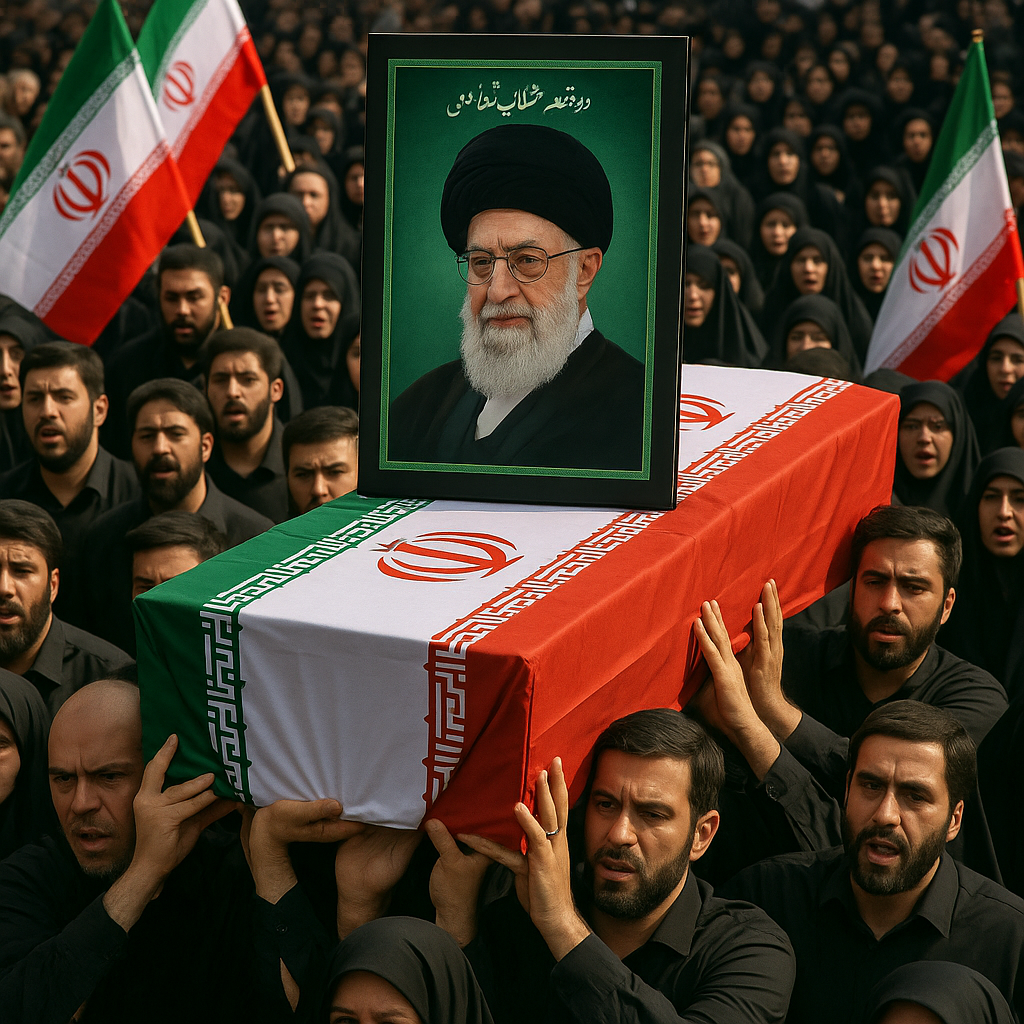
Across Iran, thousands have taken to the streets in mourning, demonstrating the deep-seated loyalty to Khamenei that characterized much of his leadership. Al Jazeera reported extensive public gatherings, where individuals expressed their grief through chants and somber gatherings. Many see his demise not just as a loss but as a pivotal moment that could redefine the future direction of Iran.


Conversely, there are those who view Khamenei’s death as a potential opportunity for change. Skeptics within the nation have vocalized their hopes for a shift towards a more moderate governance style. This response underscores a palpable divide within Iranian society—the loyalists who cling to the ideology of the revolution, and those who yearn for reform and greater freedoms.


International Reactions
The impact of Khamenei’s assassination extends beyond Iran’s borders, garnering varied reactions from government officials and analysts around the world. Russia Today highlighted the international intrigue, noting that some countries may view this as an opportunity to reshape relations with Iran. For instance, Western nations may now reassess their strategies, especially concerning nuclear negotiations and sanctions that have long defined their interactions with the Iranian state.
On the flip side, many analysts urge cautious optimism. The stability of Iran’s government is at stake, and the transition of power is likely to shape the nation’s foreign policy as well as internal governance structures. If rival factions emerge as potential successors, the risk for internal strife could grow—a concern highlighted in various reports from Sky News, emphasizing the potential for instability in the region as different political factions vie for control.
The Future of Iran’s Leadership
As the ceremonies unfold, many are left wondering who will fill the vacuum left by Khamenei. The dynamics of succession in Iran’s political structure are fraught with complexity. Khamenei had consolidated significant power, and his death removes a unifying figure.
Both mainstream sources suggest that potential successors may include figures who align closely with Khamenei’s views, preserving continuity in policy. Yet, there is also the looming possibility of a more progressive candidate emerging, especially given the discontent among younger Iranians who have expressed aspirations for democratic reforms.
This tension sets the stage for what could be a turbulent transition, as leaders from various factions will need to navigate a landscape of existing tensions both domestically and in relation to foreign powers. Security concerns exacerbate these complexities; any instability could lead to heightened military responses from within and potential intervention from external entities.
Conclusion
The ceremonies commemorating Khamenei’s life are more than mere tributes; they symbolize an inflection point laden with uncertainty for Iran. While the collective mourning reflects loyalty and solidarity among many Iranians, there are undercurrents of dissent that may emerge more strongly in this new chapter of the nation’s history.
Overall, the interplay between grief and opportunity marks a profound moment that could dictate the future trajectory of Iran—a possibility that both supporters and critics of Khamenei will be watching keenly. With such a complex and nuanced situation, the inevitable question of leadership succession remains crucial, shaping the discussions that will follow as Iran enters this uncertain new era.