EU Nation Opposes Sanctions on Russian Church Leader

EU Nation Opposes Sanctions on Russian Church Leader
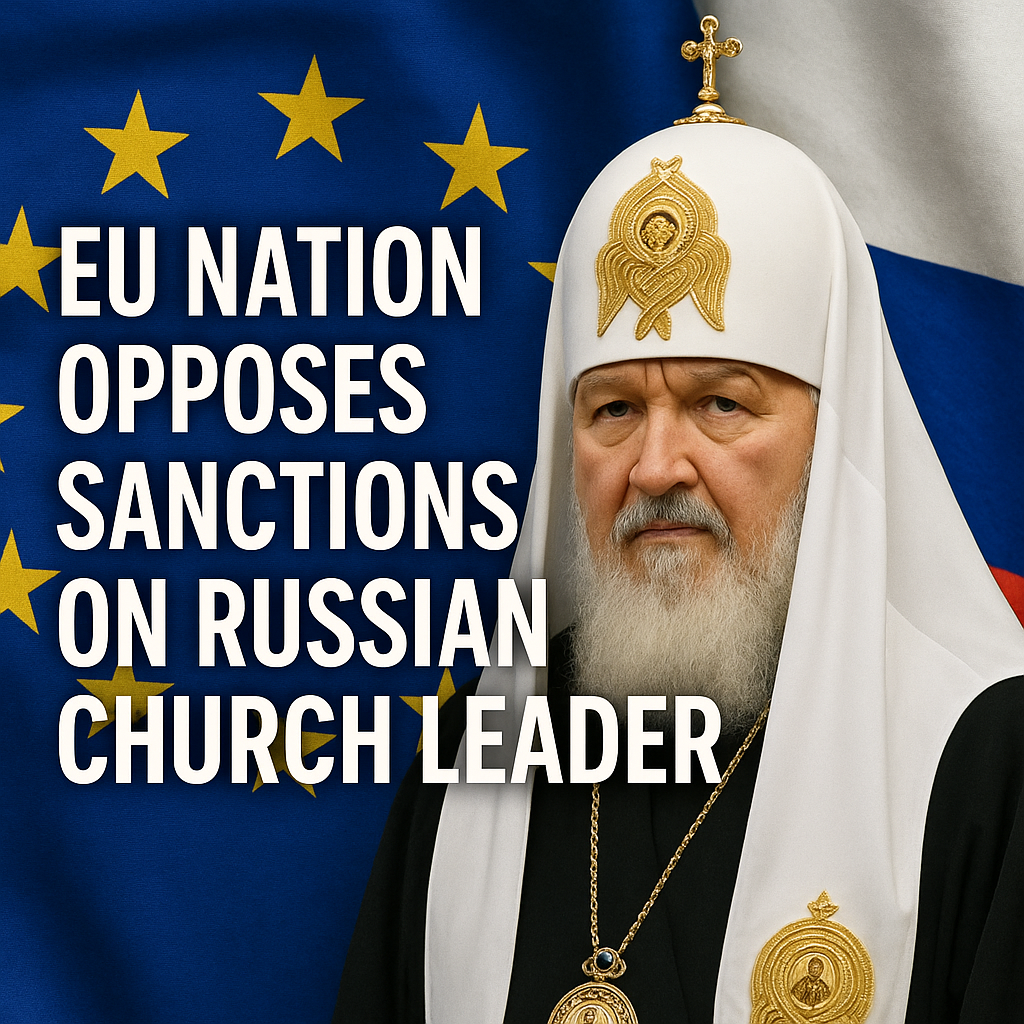
Italy’s recent opposition to EU sanctions aimed at a prominent Russian church leader has stirred a complex debate within the bloc, highlighting the intricate dance of diplomacy and geopolitics in a time of escalating tensions between Russia and Western nations. This situation introduces a multifaceted look at how religious figures intertwine with political narratives, particularly amid ongoing conflicts.

The Context of Sanctions
Sanctions have been a primary tool used by Western nations to apply pressure on Russia following its actions in Ukraine and other geopolitical events. The proposed sanctions target Metropolitan Kirill, the leader of the Russian Orthodox Church, who has been a vocal supporter of President Vladimir Putin. The United States, for instance, has argued that Kirill’s support of the Kremlin contributes to the ideological justifications for the war, thus making him a legitimate target for sanctions.


However, Italy’s stance against these sanctions reflects a growing rift among EU members regarding how to handle relations with Russia. According to reports from RT, Italy emphasizes the importance of maintaining dialogue and engagement with religious leaders, even when their opinions may not align with those of the European political landscape. This sentiment echoes a longstanding belief among some European leaders that diplomacy is crucial, especially in times of conflict.


Diverging Opinions within the EU
Italy’s refusal to back the sanctions has raised eyebrows among other EU nations that favor a tougher stance on Russia. France and Germany, for example, appear more aligned with the U.S. view that imposing sanctions on Kirill could send a strong signal against both religious and political complicity in the war. Al Jazeera has noted that this division could complicate EU’s unified front on Russia, suggesting that more discussions are needed to reconcile these differing approaches.
Conversely, Italian officials argue that targeting a religious figure could further entrench divisions within Eastern Orthodoxy and alienate millions of believers. They worry that excluding Kirill from dialogue limits a potential avenue for peace. As highlighted by various sources, including Sky News, it remains crucial to differentiate between political figures and religious leaders when formulating these kinds of sanctions.
The Broader Implications
The implications of Italy’s position extend beyond simple diplomatic etiquette. By opposing the sanctions, Italy risks not only isolating itself within the EU but also challenging the unity that has characterized European responses to Russia thus far. The immediate consequences may include strained relations with other EU member states that favor a sanctions-centric approach.
Furthermore, as RT points out, this may reflect deeper socio-political currents within Italy, where public opinion on Russia remains varied. Italy’s history of strong ties with Russia, including economic and cultural exchanges, complicates its current geopolitical stance. The Italian government may be betting that fostering connections with Russia—particularly through religious channels—will yield diplomatic dividends, especially as Europe faces rising energy prices and economic challenges aggravated by the ongoing conflict.
In analyzing these diverging viewpoints, it becomes evident that the opposition to sanctions against a church leader is not merely about Kirill himself, but rather about how the EU envisions its foreign policy moving forward. Is the bloc committed to a hardline approach, or will it pursue a path of dialogue and reconciliation?
Conclusion: Navigating a Delicate Balancing Act
As the EU grapples with its policies toward Russia, Italy’s opposition to sanctions targeting Metropolitan Kirill highlights a broader debate on the intersection of politics, religion, and diplomacy. With opinions split on the effectiveness and morality of sanctions, Italy’s reluctance serves as a reminder that the political landscape in Europe is anything but uniform.
While the consensus may lean toward increasing pressure on Russia, dissenting voices such as Italy’s accentuate the challenges of maintaining unity in an increasingly polarized geopolitical arena. Ultimately, the outcome of this debate could shape not only European diplomacy but also the broader relationship between the West and Russia moving forward.