
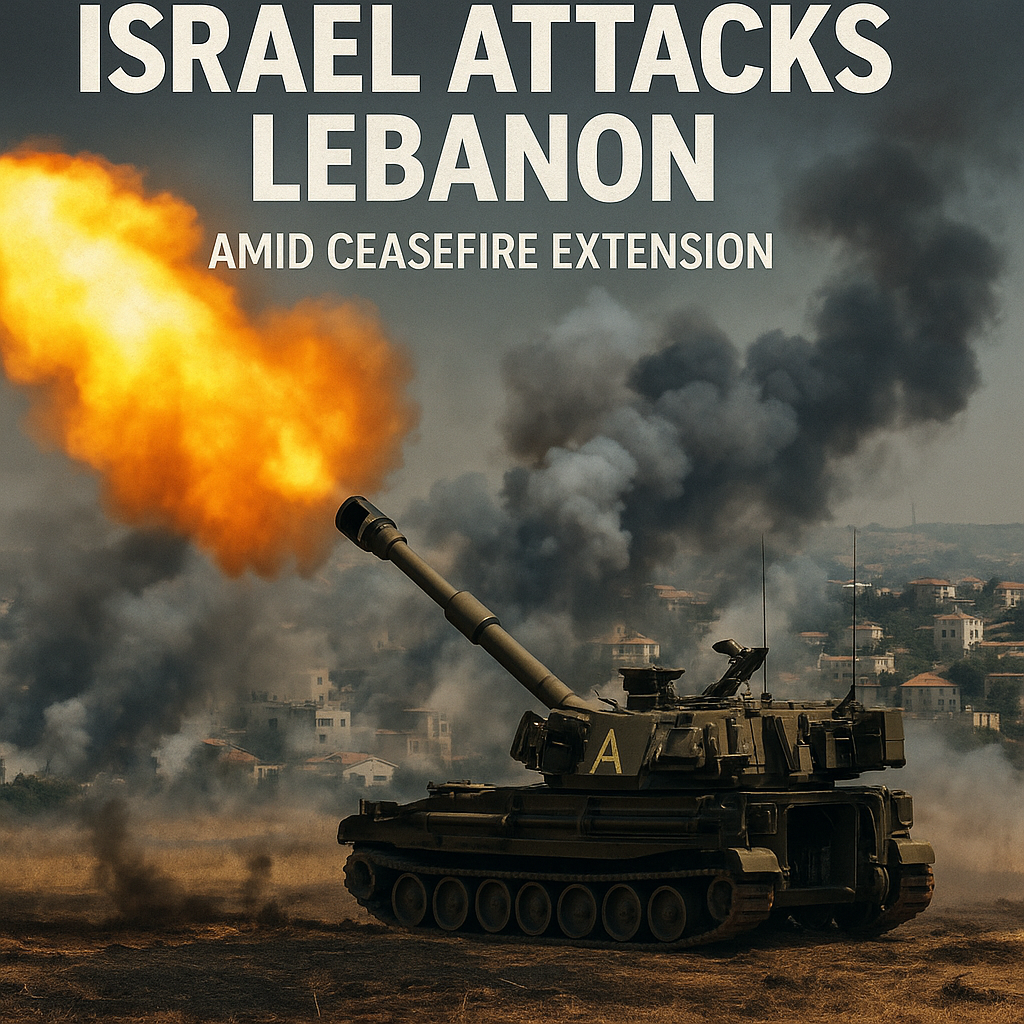
Israel Attacks Lebanon Amid Ceasefire Extension

Israel Attacks Lebanon Amid Ceasefire Extension
In recent developments regarding the Israel-Lebanon conflict, tensions have escalated following Israel’s continued military actions despite an extension of the ceasefire. The complexities of this situation are underscored by conflicting narratives and humanitarian concerns, making it essential to analyze the current state of affairs with care and objectivity.

Background: Ceasefire and Renewed Conflict
The ceasefire between Israel and armed groups in Lebanon was initially aimed at mitigating violence in the region. However, reports indicate that Israel has resumed its military campaign, leading to significant casualties and widespread destruction in parts of southern Lebanon. According to Al Jazeera, this escalation comes even after a ceasefire extension had been negotiated, which raised questions about the effectiveness and reliability of such agreements.


Humanitarian organizations have voiced serious concerns regarding the impact on civilians, who are caught in a cycle of violence. As described in recent reports, many residents in southern Lebanon face displacement and fear as attacks intensify.


Diverging Perspectives on the Violent Escalation
Various sources provide contrasting viewpoints about Israel’s military actions and their implications:
1. Israeli Government’s Justification: The Israeli government claims that its military operations are essential for national security, asserting that the strikes target militant infrastructure linked to Hezbollah. This narrative emphasizes self-defense, stating that such measures are necessary to protect its citizens from potential threats posed by armed groups operating in Lebanon.
2. Lebanese Perspective and International Criticism: On the other hand, Lebanese officials and international observers argue that Israel’s actions violate the terms of the ceasefire. They highlight the disproportionate nature of the attacks, which they assert disproportionately affect civilians rather than military targets. Critics point out that continued aggression undermines any chance of a lasting peace, contributing to a cycle of violence that has plagued the region for decades.
3. Humanitarian Focus: Human rights organizations urge that the focus should shift to the humanitarian crisis unfolding as a result of the military actions. With hospitals overwhelmed and basic services crippled, there is a growing consensus that both sides need to prioritize negotiations over military solutions.
The Role of the International Community
The international community remains divided on how to manage the crisis in the Israel-Lebanon border region. Some Western nations have expressed support for Israel’s right to defend itself while simultaneously calling for restraint to prevent further civilian casualties. In contrast, many countries in the Middle East advocate for stronger interventions to alleviate the humanitarian crisis in Lebanon.
The Complexity of Peace Efforts
Efforts to establish lasting peace have been complicated by deep-seated animosities and historical grievances. While organizations such as the United Nations continue to push for dialogue, skepticism abounds among affected populations. Many feel that past agreements have failed to address the root causes of the conflict, leading to mistrust on both sides.
Public sentiment in Lebanon reflects a blend of despair and resilience, with many citizens yearning for an end to the violence yet fearing what might come next. Some analysts highlight that unless there are substantive efforts towards reconciliation and robust dialogue, military actions will likely continue, further entrenching existing divides.
Conclusion: A Call for Dialogue and Restraint
The recent military actions by Israel against Lebanon amid a supposed ceasefire extension reveal the fragility of peace in the region. With humanitarian concerns mounting, a balanced approach focusing on ceasefire adherence, effective dialogue, and a commitment to addressing the underlying issues may be essential for a sustainable resolution. While the complexities of this situation continue to evolve, it remains clear that the repercussions of continued violence will resonate for generations to come.
As the situation develops, it will be critical for both local and global stakeholders to reassess their strategies and seek pathways that prioritize human lives over political gains. The hope for lasting peace in the Israel-Lebanon conflict hinges not just on an end to hostilities, but also on an enduring commitment to fostering understanding and cooperation.















