Israel Strikes Lebanon: Latest Updates & Media Coverage

Israel Strikes Lebanon: Latest Updates and Media Coverage
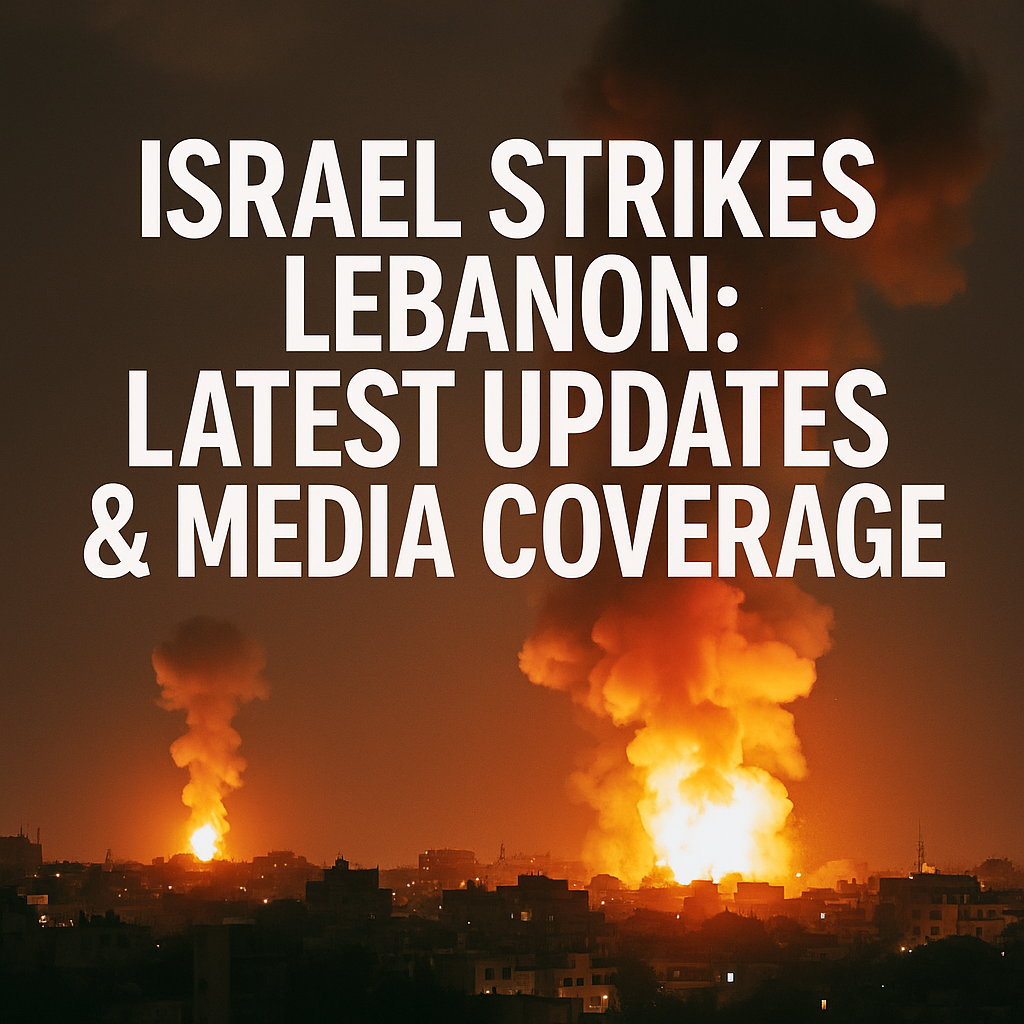
In recent conflicts, Israel’s military actions toward Lebanon have drawn significant international attention, prompting discussions about the complex dynamics in the region. Following a series of exchanges between Israel and Hezbollah, reports indicate a temporary ceasefire agreement that offers a brief but crucial pause in hostilities.

Overview of Recent Events
The escalation of tensions began when Israel launched airstrikes in southern Lebanon, targeting what it described as Hezbollah positions. In direct response, Hezbollah retaliated with rockets, further intensifying the inter-border conflict. Observers note that these developments are not just disconnected skirmishes; they are rooted in a long-standing history of enmity and complex geopolitical stakes.


According to Al Jazeera, the latest round of conflict has resulted in casualties and significant property damage, raising alarms about the humanitarian implications. Israeli officials assert that their operations are focused on neutralizing threats from militant groups, maintaining that their military strategy aims at safeguarding national security. Conversely, Hezbollah frames its actions as defensive, arguing that it is merely responding to aggression and protecting Lebanese sovereignty.


The Ceasefire Agreement
As reported by RT, efforts toward establishing a ceasefire have gained momentum in recent days. Both sides reportedly agreed to halt hostilities in a bid to prevent further escalation. This temporary ceasefire has been welcomed by various parties, including international diplomats keen on restoring stability in the region.
While the ceasefire represents a momentary reprieve, analysts caution against overemphasizing its significance. The underlying issues remain unresolved, and the potential for future confrontations is substantial. Experts emphasize that without addressing the core grievances—ranging from territorial disputes to the ongoing impact of regional alliances—the ceasefire may merely serve as a band-aid solution.
Diverse Reactions and Implications
The international community has expressed a mix of relief and skepticism regarding the ceasefire. Western nations often advocate for Israel’s right to defend itself, while simultaneously urging restraint to minimize civilian casualties. Meanwhile, some Middle Eastern countries have criticized Israel’s military actions as heavy-handed, calling for a more balanced approach to managing disputes.
Key players such as the United States and European Union are engaged in diplomatic discussions aimed at fostering a sustainable peace. However, elements of the local populace in both countries exhibit differing opinions. In Israel, some citizens express frustration over what they perceive as insufficient action against Hezbollah, while many in Lebanon voice alarm over the humanitarian repercussions of repeated violence.
Looking Ahead
The road to a lasting resolution between Israel and Lebanon is fraught with challenges. Assessing the current situation necessitates a nuanced understanding of the region’s complex dynamics, where local politics, historical grievances, and international interests intertwine.
Conclusion
The ongoing tensions between Israel and Lebanon reflect a broader regional instability that requires careful diplomatic engagement. While the recent ceasefire offers a temporary respite from violence, it also underscores the urgency of addressing the foundational issues that fuel conflict in this intricate landscape. The coming weeks will be critical in determining whether the ceasefire can transform into a more comprehensive peace strategy, ultimately affecting not only Israel and Lebanon but the region as a whole.